

Category: Family Care
-
THE LIST Her feet were swollen, squeezed into a pair of foam slippers. The bruises on her body revealed what no one had told her. We, the family medicine inpatient team, huddled in a small room off the hallway where her temporary bed was set up, yet another unpleasant reality of the overburdened hospital. The…
-
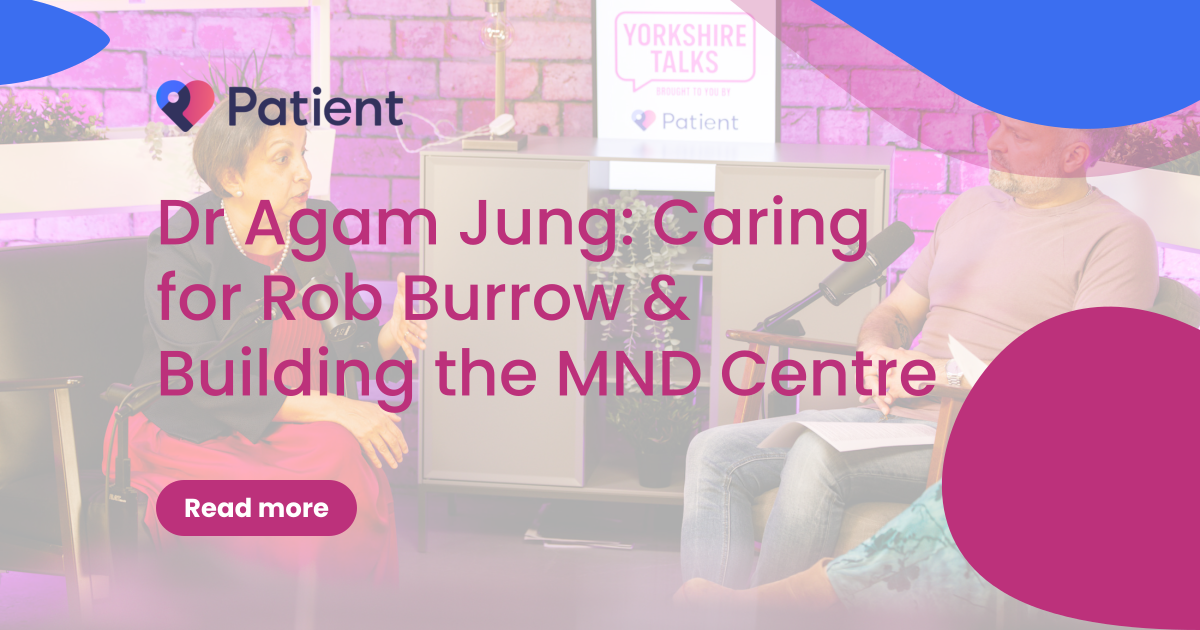
Dr Agam also played a leading role in creating the Rob Burrow Centre for MND, helping to raise millions of pounds to make the centre a reality. Her remarkable relationship with Rob was captured in two acclaimed BBC documentaries, revealing a partnership built on determination, hope and an unwavering belief that anything was possible. Together,…
-

Note that some links may require registration or subscription. Dozens of Americans sued manufacturers of GLP-1 receptor agonists, claiming the drugmakers failed to warn patients about the risk of non-arteritic anterior ischemic optic neuropathy (NAION), a rare type of sudden vision loss. (ABC News) Continuing the Trump administration’s crusade against animal-based research, HHS announced new…
-
Key words: Point-of-care ultrasound (POCUS) is an innovation that brings imaging out of the radiology suite. Historically, POCUS is clinician-performed, meaning that the same clinician who takes the history and forms the differential also acquires and interprets the images, at the bedside, in real time. This is a distinct workflow from radiologist-read, sonographer-acquired imaging. High-fidelity…
-

One in every 700 babies is born with a cleft lip, a cleft palate, or both—making it one of the most common birth defects. Babies born with a cleft lip and/or palate need special care from a team of different health professionals. Their care must be well managed because of the difficult medical, surgical,…
-
Key words: THE INNOVATION Rising-risk Medicaid patients are clinically complex individuals who demonstrate mounting care utilization needs, suboptimal chronic disease management, and often, underlying socioeconomic barriers to regular engagement with preventative services. Within this population, risk migration costs can rapidly escalate by nearly 100% within a 12-month period, carrying significant implications for institutions operating within…
-
THE INNOVATION Primary care clinicians (PCCs) face challenges finding time to engage in research.1 In response, the Northern New England CO-OP Practice and Community-Based Research Network (CO-OP), the country’s oldest practice-based research network (PBRN),2 took an on-the-ground approach to engage PCCs in clinician-driven research. While the literature does not detail “touring clinical sites,” such visits…
-

Gabapentin is one of the top prescribed medications in the U.S. and is often used off-label for chronic pain. In 2019, Michigan enacted legislation to schedule gabapentin as a controlled substance but rescinded its policy in 2024. After gabapentin was descheduled, dispensing immediately rose among Michigan Medicaid patients. Gabapentin use jumped quickly in Michigan after…
-

Paul Nestadt is about as steeped in suicide prevention as a person can be. He treats suicidal patients as a psychiatrist, has co-authored scores of research papers on how and why people kill themselves, and teaches graduate courses on the subject. But he’ll be the first to admit: “I can’t tell you which of my…
-
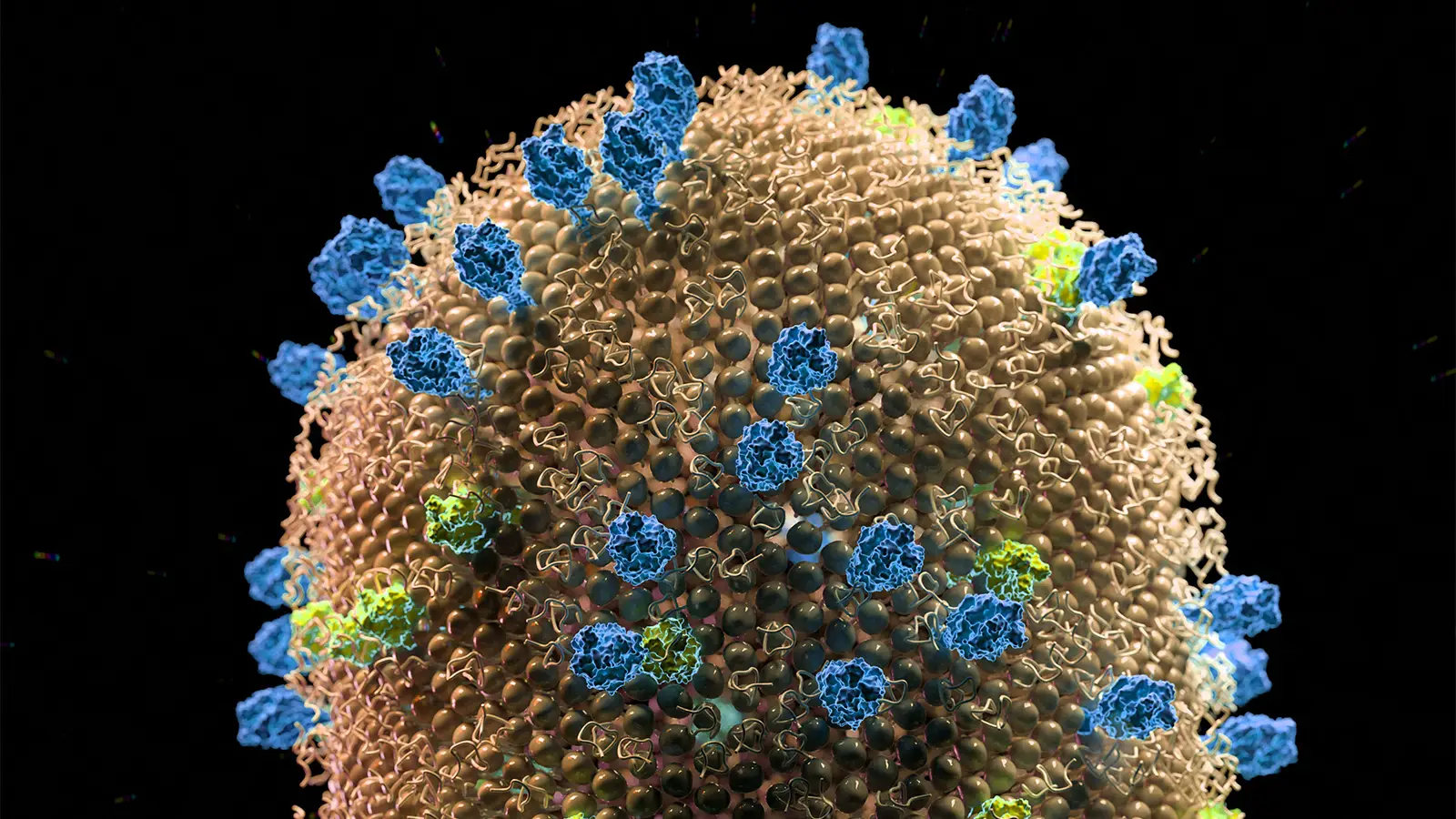
Immunization against RSV is not currently recommended for children ages 2 to 17 years. In this U.S. study, children in this age group comprised two-thirds of RSV-related pediatric deaths in the ICU. Deaths in this older group were significantly higher if complex medical conditions were present, a potential population for prevention strategies. Children and adolescents…



