

Category: Resources
-
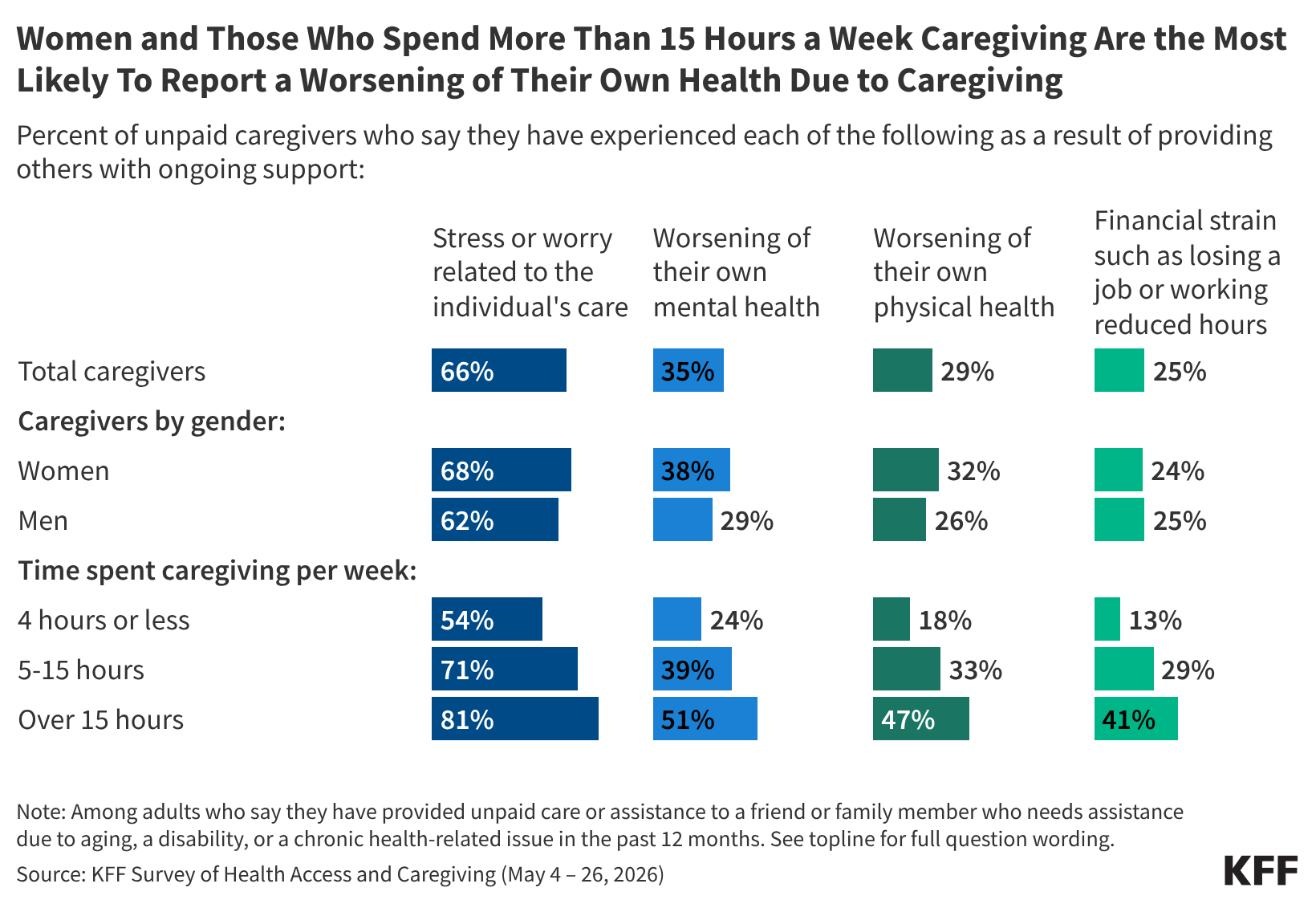
About 3 in 10 adults (29%) in the U.S. say they have provided unpaid care to a friend or family member who needs assistance due to aging, disability, or a chronic condition in the past 12 months, according to a KFF survey released today. The KFF Survey of Health Access and Caregiving finds the median…
-

November 17, 2026 | Orobosa Idehen, Madison Hluchan, Susan Kansagra On July 4, 2025, the One Big Beautiful Bill Act, was signed into law, establishing the Rural Health Transformation Program (RHTP). The Rural Health Transformation fund is one of the largest single direct investments in rural health infrastructure by the federal government, providing $50…
-
View Transcript 00:00:00:15 – 00:00:23:00Tom HaederleWelcome to Advancing Health. Healthcare providers today are grappling with three critical challenges: building a strong workforce, providing access to a full spectrum of care, and improving quality and safety. Today, we explore how Sanford Health, the nation’s largest provider of rural health care, is tackling these challenges and strengthening…
-
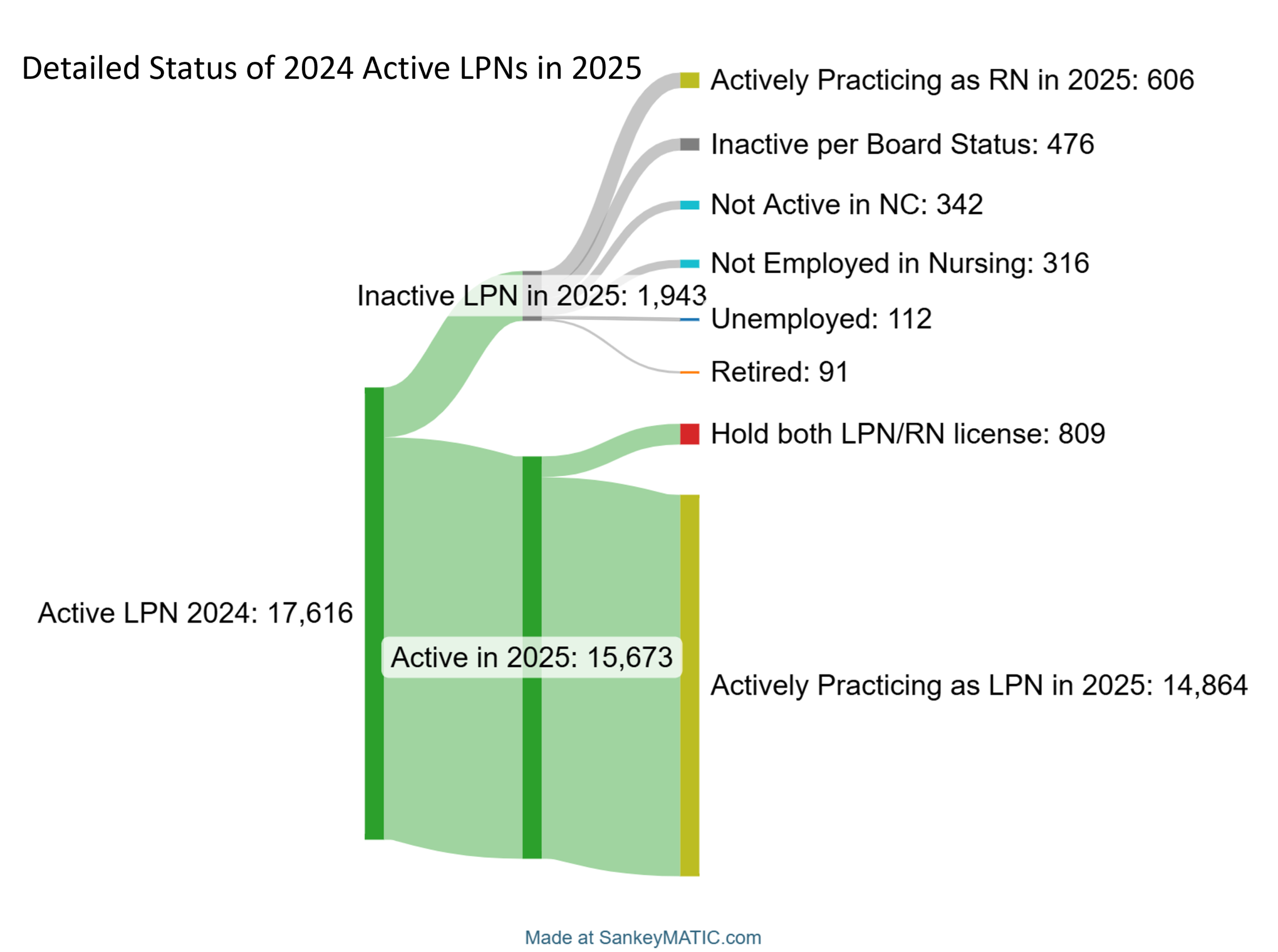
By Erin P. Fraher PhD MPP, Julie C. Spero MSPH, and Monica P. Jimenez PhD Nov 6, 2026 Introduction North Carolina is expected to face a shortage of more than 5,000 licensed practical nurses (LPNs) by 2033 with all regions of the state facing shortfalls. Nursing home, extended care, and assisted living facilities will be…
-
Transcript Andrew Nelson: Welcome to Exploring Rural Health, a podcast from the Rural Health Information Hub. My name is Andrew Nelson. In this podcast, we’ll be talking with a variety of experts about providing rural healthcare, problems they’ve encountered, and ways in which those problems can be solved. Joining me today…
-
The Health Resources and Services Administration (HRSA) provides startup funding to help rural maternal health networks implement innovative approaches to enhance and expand maternal and obstetrics (OB) care in their rural communities. Networks use the federal funding offered through the HRSA Federal Office of Rural Health Policy to plan, build, and implement their approaches while…
-
Neighborhood Disadvantage and Adolescent Substance Use: Differences by Urbanicity and Substance Type
Abstract Objective: We examined associations between neighborhood socioeconomic context and substance use among U.S. adolescents using nationally representative samples. We further tested whether these associations differed by urbanicity. Methods: Data were from 12th graders in 2016–2019 from the Monitoring the Future (MTF) study (n=54,108). Neighborhood socioeconomic context was measured by a disadvantage index in the…
-

About This Page Published: May 15, 2024 Updated: August 14, 2026 This page was last updated on this date. Updates may include minor edits, image changes, or other modifications to page content. Reviewed: May 13, 2024 The information on this page was last reviewed by subject matter experts to ensure accuracy.
-

Abstract Introduction: The globally implemented Our Voice citizen science method has addressed social and structural health-related barriers in many community settings. Currently, however, this participatory action research method has not been adapted and tested in faith-based settings, which are trusted and well positioned to reach communities for health promotion and chronic disease prevention. The purpose…
-
1 Introduction Youth in the United States comprise a dynamic and diverse population. American Indian/Alaska Native youth represent a unique population affected by a long history of cultural, social, and environmental disruption and change (1, 2). This history has contributed to some of the most significant health disparities seen in any youth population today, including…



