

Category: Wellness
-
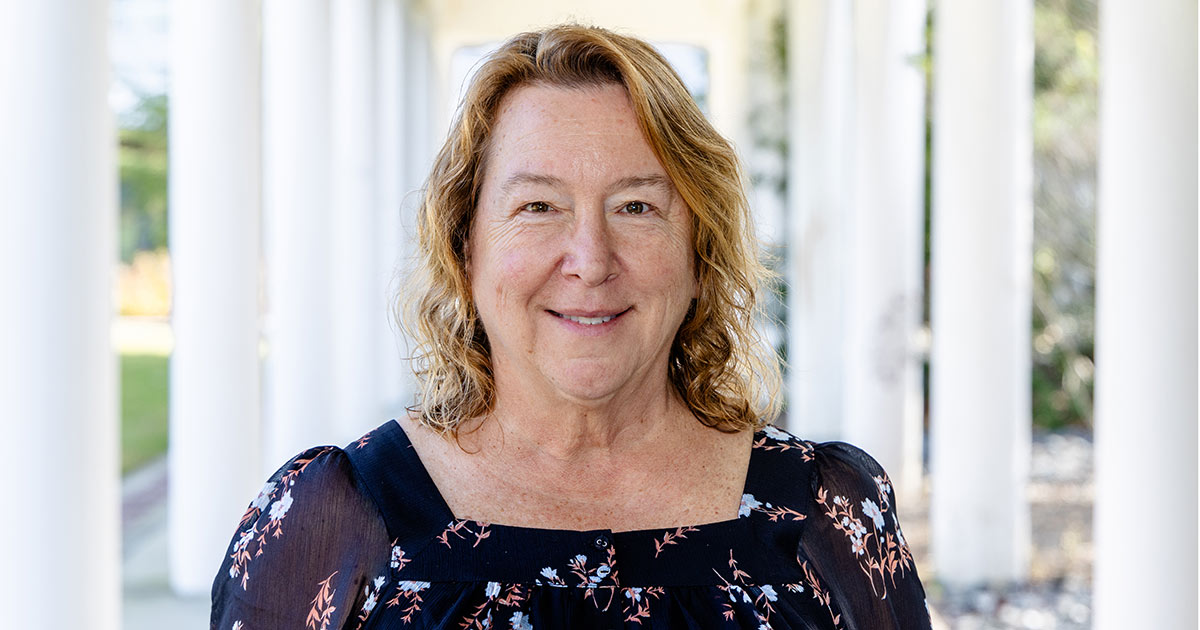
Sue Fenton, Ph.D., was named director of the Center for Human Health and the Environment (CHHE) at North Carolina State University (NCSU) in October. The appointment comes on the heels of a 25-year federal career at NIEHS and the Environmental Protection Agency. During her time at NIEHS, Fenton led the Reproductive Endocrinology Group, mentored nearly…
-

A&E demand hit a record high in July as the NHS faced a “summer surge”, while elective performance reached its best level against the 18-week target in nearly five years. A&E saw a record 2.5 million attendances last month amid two heatwaves, with the three busiest months ever all recorded between May and July. Despite…
-

Male rats exposed to glyphosate exhibit some anxiety-like behaviors, according to Demetrio Sierra-Mercado, Ph.D., an associate professor at the University of Puerto Rico School of Medicine. He shared his studies exploring how the gut-brain connection may underpin these effects during a Sept. 25 Keystone Science Lecture at NIEHS. “Daily consumption of glyphosate via drinking water…
-
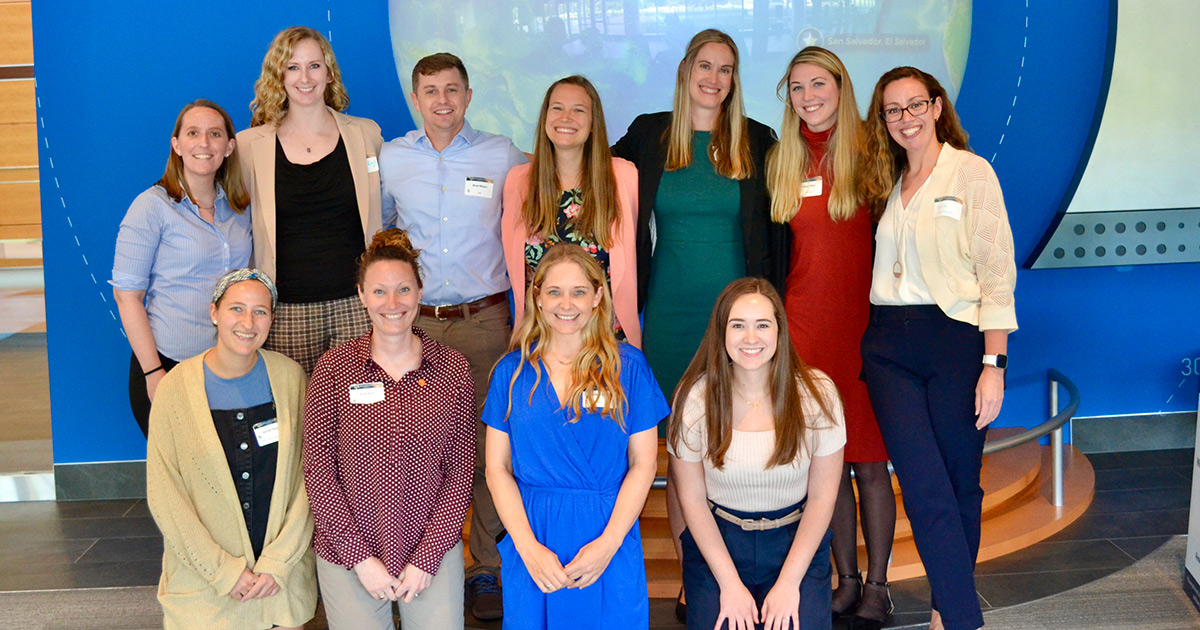
Scientists, including NIEHS staff, grantees, and trainees who work to identify how chemicals may cause harm, gathered Sept. 14 for the annual North Carolina Society of Toxicology (NCSOT) meeting. Nearly 300 people — a record number of attendees — presented new research about toxicants in the environment, such as PFAS and particulate matter, and participated…
-

Hospitals across the U.S. are trying to reduce maternal deaths and complications after pregnancies using one small tool: a silicone wristband stamped with the declaration “I Gave Birth.” The wristbands are part of a growing initiative first launched by North Carolina-based ECU Health as Congress sought to address the nation’s growing maternal mortality crisis during…
-

Environmental Factor – November 2023: Future challenges in reducing animal testing assessed by panel
The Scientific Advisory Committee on Alternative Toxicological Methods (SACATM) advised federal agencies at a Sept. 21–22 meeting that communication, training, and community engagement will be key to increasing acceptance of nonanimal chemical safety testing methods. SACATM, which includes experts from academia, industry, and animal welfare organizations, meets annually to advise the NIEHS director, the National…
-
By: Marla Guzman, MD, FAAP & Grant Syverson, MD, FAAP Lupus is a condition that causes uncontrolled inflammation or swelling. It can affect many different parts of the body in unpredictable ways. Most people diagnosed with lupus are adults. However, childhood-onset lupus (meaning the disease develops before the age of 18) accounts for up…
-
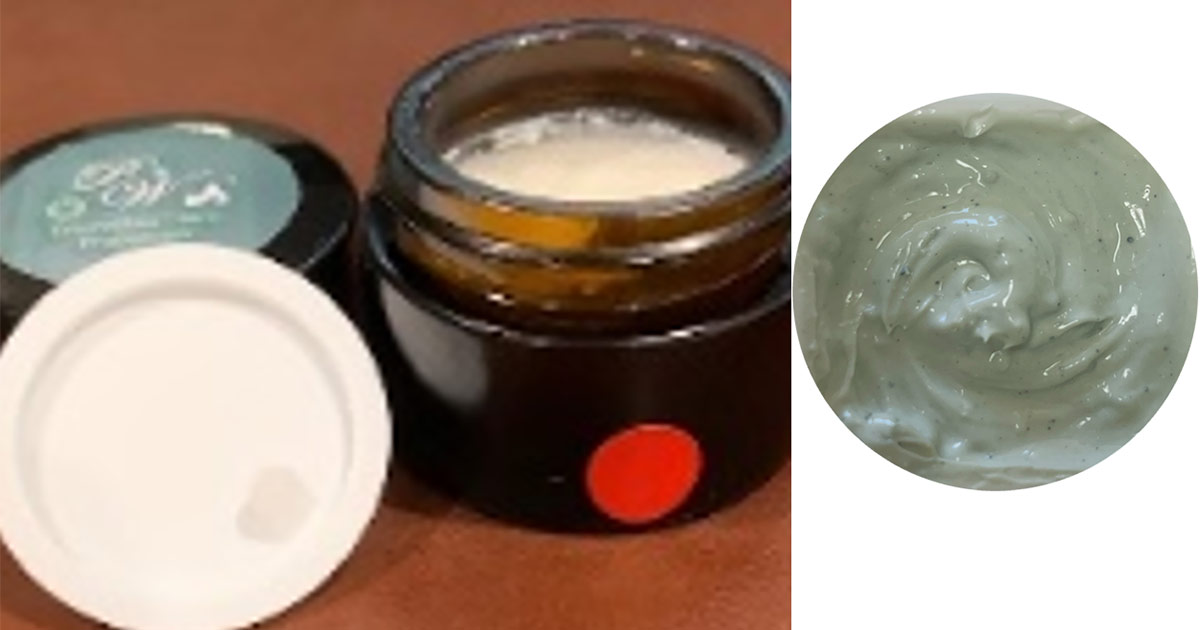
Texas A&M University scientists developed a skin cream that may protect people from contaminants in floodwaters, such as benzene, toluene, and xylene. The cream, which forms a barrier between human skin and contaminants, is the culmination of several studies, partially funded by the NIEHS Superfund Research Program (SRP), which have explored materials that can adsorb…
-

Rick Woychik, Ph.D., directs NIEHS and the National Toxicology Program. (Image courtesy of NIEHS) Light and dark are underappreciated environmental exposures that can affect human health in numerous ways, and now is the time to study the exact biological changes they can trigger because doing so will help to advance individualized medicine, according to this…
-

The National Institutes of Health (NIH) Environmental Justice Working Group, led by NIEHS Deputy Director Trevor Archer, Ph.D., seeks feedback on approaches the NIH can take to support research to advance environmental justice in the U.S. and globally. The group’s recently released Request for Information (RFI) invites comments from communities with environmental justice concerns, scientific…



