

Category: Wellness
-
Exploring the mixture effects of PFAS exposure and medicines used to treat pregnant HIV patients is at the heart of research led by Janine Santos, Ph.D., of the NIEHS Division of Translational Toxicology (DTT). Santos, and collaborators at Duke University, will be the first to conduct studies examining how real-life exposure to antiretroviral therapy (ART)…
-
Considering both genetic factors and environmental influences is vital for understanding health outcomes and disease prevention. Focusing on these elements separately paints an incomplete picture, according to Christine Ladd-Acosta, Ph.D., an epidemiologist at the Johns Hopkins Bloomberg School of Public Health. During her April 30 Keystone Science Lecture, Ladd-Acosta outlined why and how to consider…
-
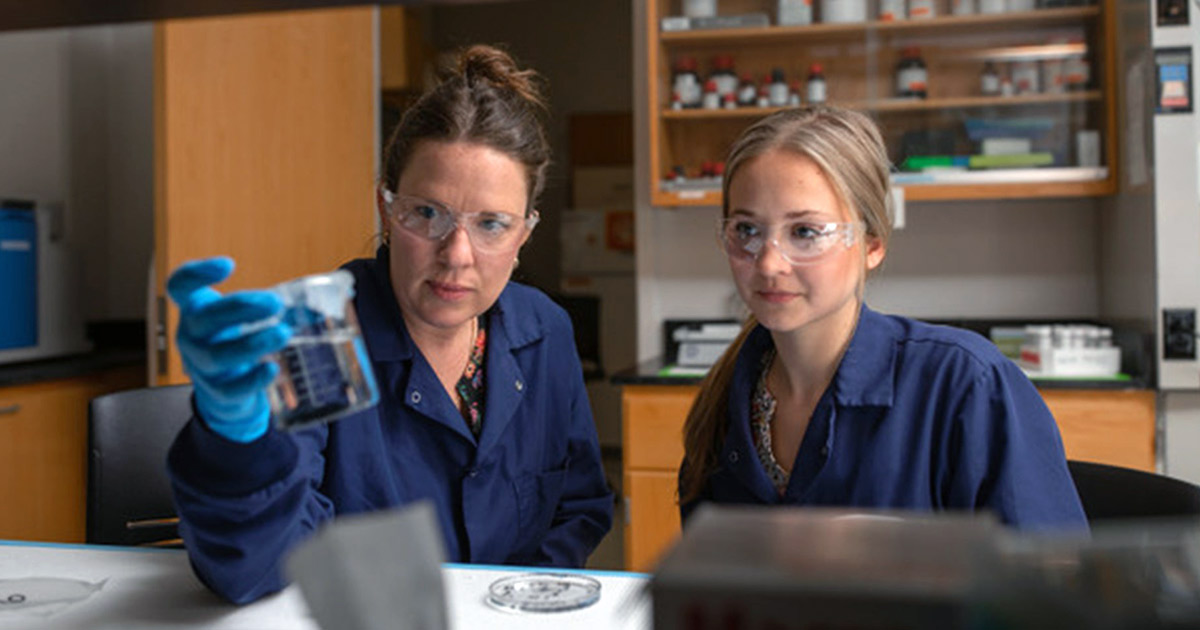
Electrically charging certain filtration materials can increase their ability to remove PFAS from water, according to Molly Frazar Lahey, Ph.D. The former University of Kentucky (UK) Superfund Research Program (SRP) Center trainee spoke about her doctoral research and unexpected career trajectory during the April 15 Karen Wetterhahn Memorial Award Lecture held virtually. Lahey, left, with…
-
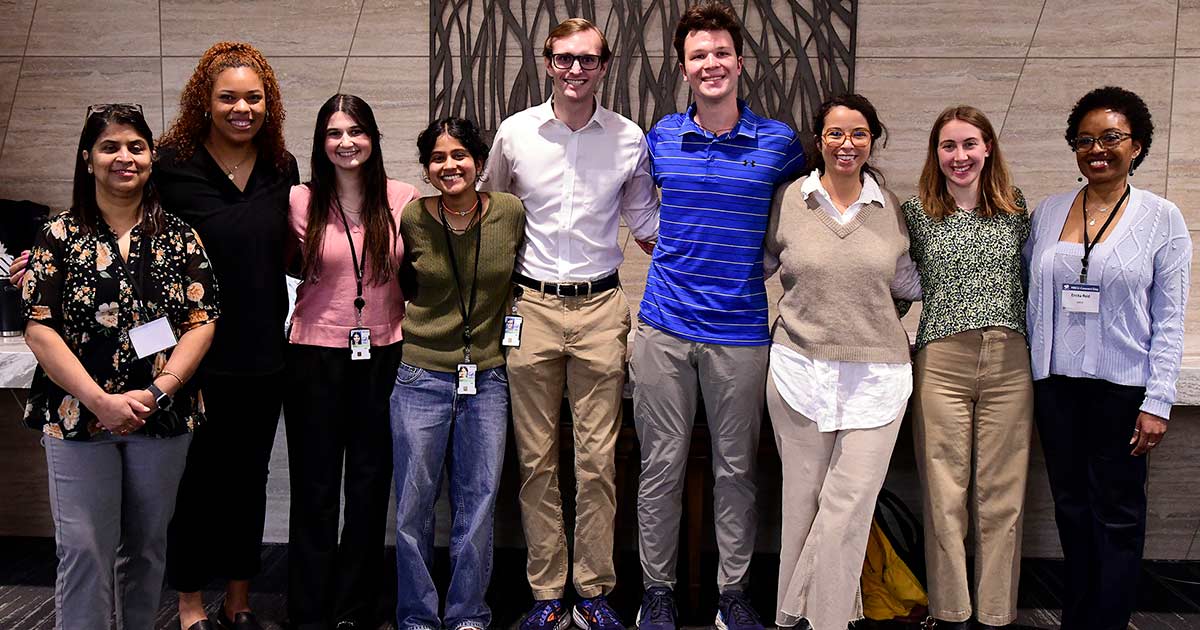
Seven local undergraduate students presented their research work April 19 as part of the NIEHS Scholars Connect Program (NSCP) Annual Symposium. The event marked the end of an academic year-long internship for the scholars, who received hands-on mentored research training from NIEHS scientists. NSCP is a paid biomedical research internship for underrepresented undergraduate students in…
-

Rick Woychik, Ph.D., directs NIEHS and the National Toxicology Program. (Image courtesy of NIEHS) I recently had an in-depth talk with Peter Dedon, M.D., Ph.D., an NIEHS grantee whose research into the microbiome is helping to uncover the complex and vital roles it plays in human health. The microbiome refers to all of the bacteria,…
-

Céline Gounder, KFF Health News’ editor-at-large for public health, discussed the Department of Health and Human Services’ plan to offer compensation for automatic covid vaccine injuries and the drop in enrollment in Affordable Care Act health plans on CBS’ The Takeout With Major Garrett on July 10 and 9, respectively. KFF Health News Southern correspondent…
-

NIEHS is calling all scientists to dive into an exciting new DREAM Challenge to tackle high cholesterol using data available from the Personalized Environment and Genes Study (PEGS) cohort. NIEHS’ PEGS integrates genetic and environmental data to understand disease etiology, identify risk factors, and improve disease prevention. Challenge participants will use genetic and environmental data…
-
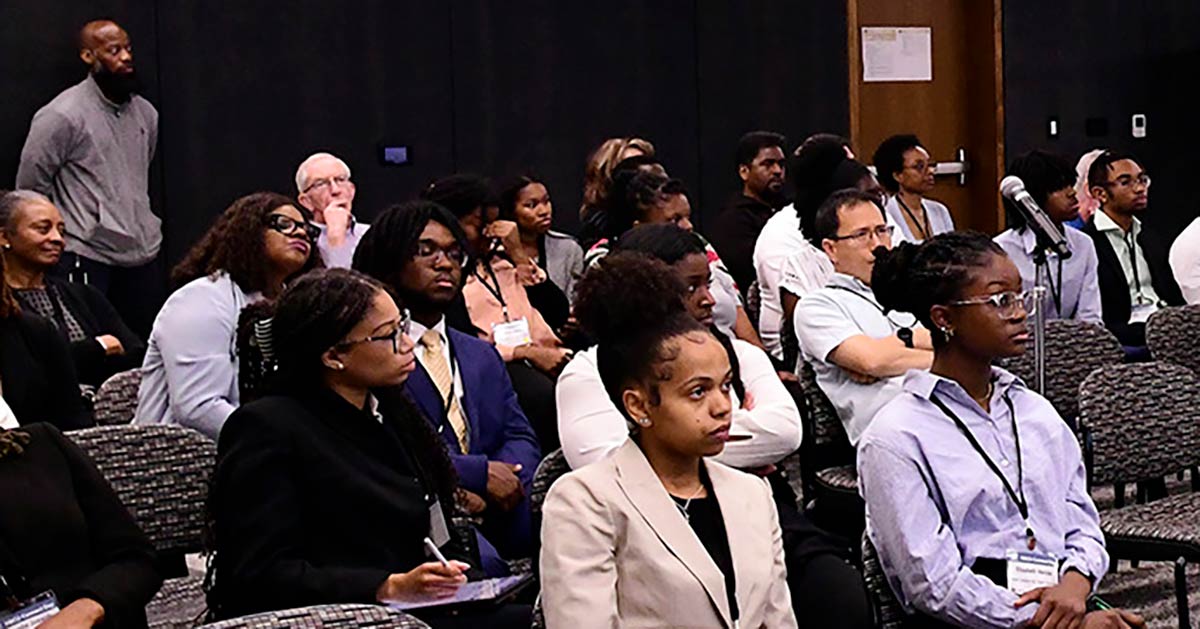
Nearly 60 students and faculty from historically Black colleges and universities (HBCUs) gathered April 19 for the second, yet first in-person, HBCU-Connect Day. The Office of Science Education & Diversity (OSED) hosted the event to connect with undergraduate students regarding research and training opportunities, and to share funding and partnership information with faculty. “These students…
-
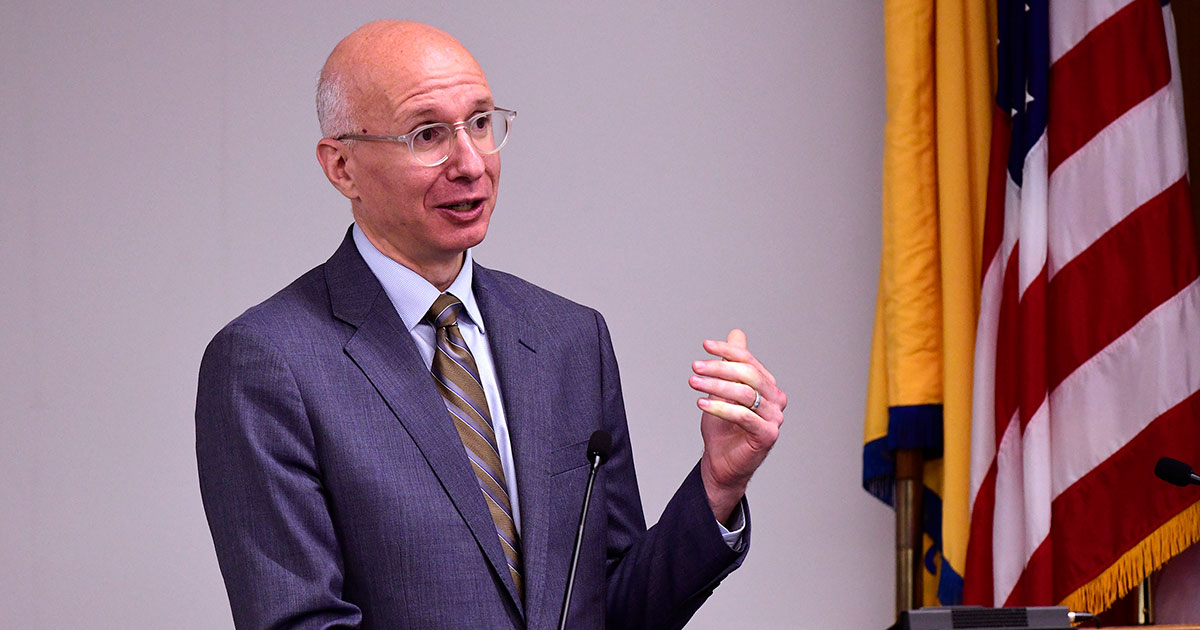
In a wide-ranging talk May 6 in Rodbell Auditorium and online, Aaron Bernstein, M.D., spoke on topics from plastics to power outages to the economics of environmental health research. But the overarching purpose of his visit was to pursue the promise of better health care outcomes through collaboration. “I came to CDC to try to…
-
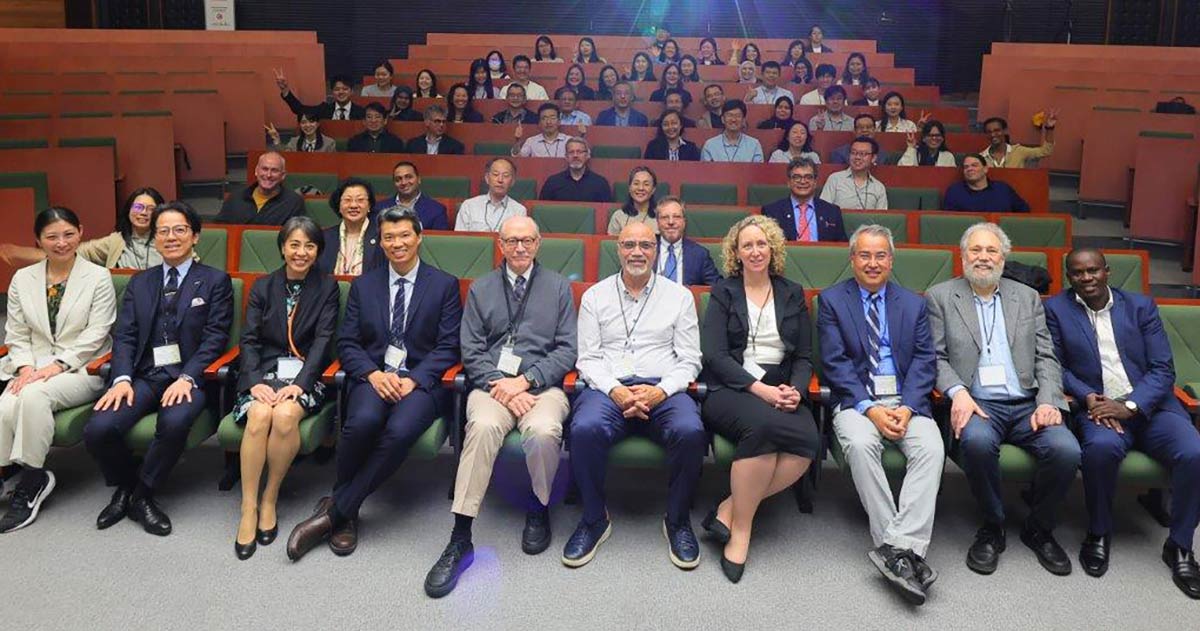
Director meets with global health leaders during Asia trip During a May trip to Asia, NIEHS Director Rick Woychik, Ph.D., met with leaders of the National Health Research Institutes (NHRI) in Taipei, Taiwan, most notably NHRI President Huey-Kang Sytwu, M.D., Ph.D. NHRI is Taiwan’s equivalent to the National Institutes of Health. Woychik also visited Taipei…



