

Category: Wellness
-
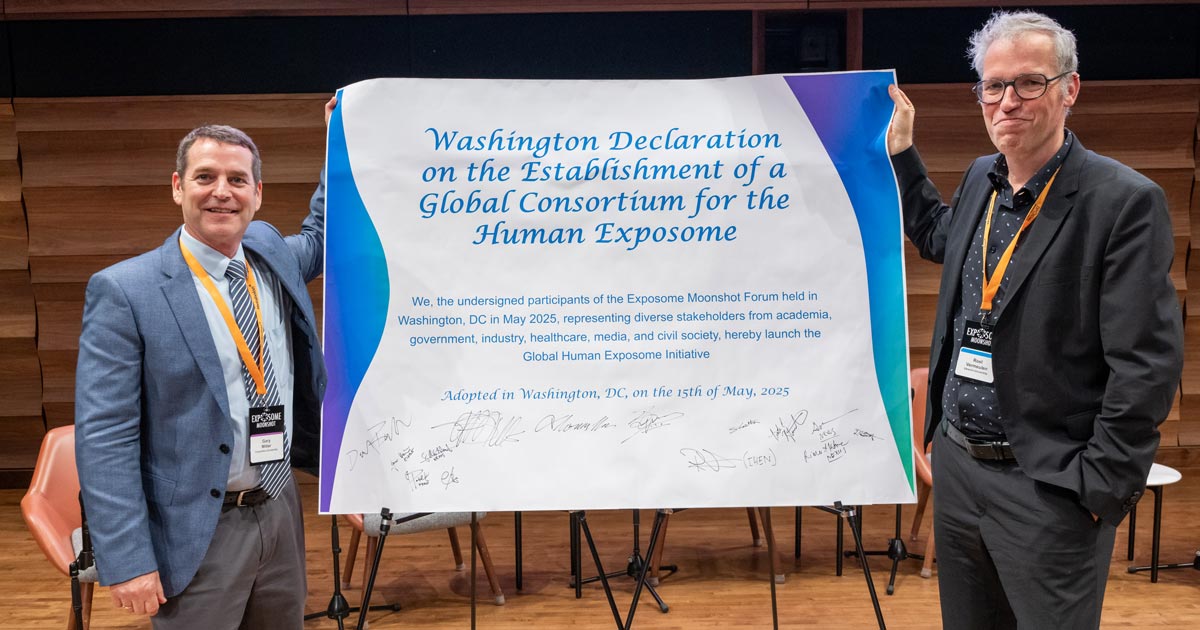
Global leaders in science, medicine, and business, including from the National Institutes of Health (NIH), recently launched an unprecedented initiative to share knowledge and resources for quantifying how our environments influence health. The global initiative builds on momentum to comprehensively and systematically measure the exposome, which is the integrated compilation of all physical, chemical, biological,…
-

Céline Gounder, KFF Health News’ editor-at-large for public health, discussed a recent study that suggests ultraprocessed foods are linked to increased dementia risk on CBS News 24/7’s The Daily Report on June 3. Gounder also discussed the Ebola outbreak in central Africa and the impact of U.S. health funding cuts on CBS News’ CBS Mornings…
-
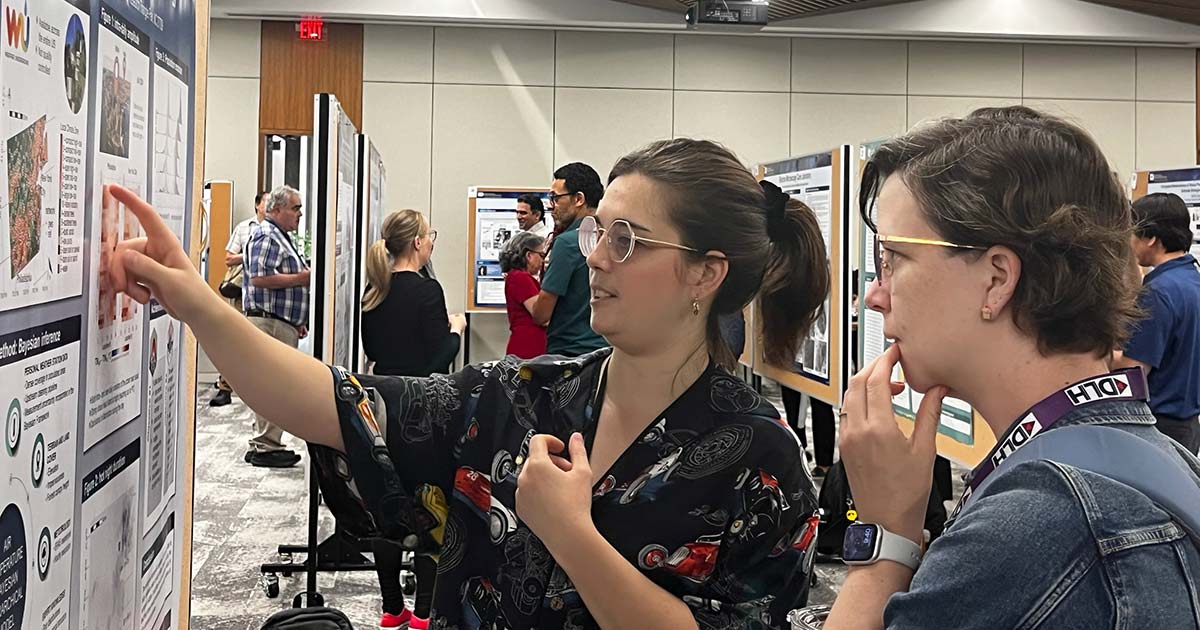
Awards synergize autoimmune, AIDS research across NIH NIEHS scientists and trainees recently received funding awards to enhance collaborative research across the National Institutes of Health (NIH). The NIH Office of AIDS Research (OAR) and the NIH Office of Autoimmune Disease Research (OADR) made the following awards. Michael Fessler, M.D., NIEHS Clinical Director, and Carlos Guardia,…
-
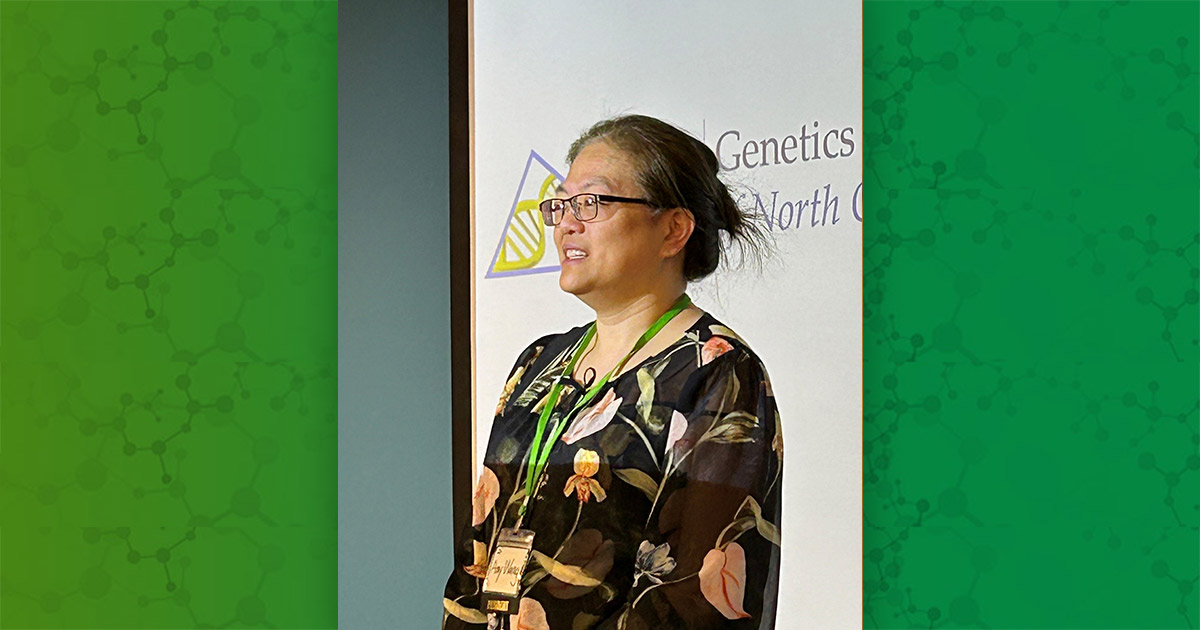
Wang follows in the footsteps of numerous NIEHS staff members who have served as president of GEMS. (Photo courtesy of Doug Murphy) Amy Wang, Ph.D., strives to foster a sense of community among researchers working to understand the environment’s effects on health. As president of the Genetics and Environmental Mutagenesis Society (GEMS) of North Carolina,…
-

As the current federal administration rounded up an increasing number of immigrants, with U.S. Immigration and Customs Enforcement holding more than 75,000 in mid-January alone, we heard scattered, localized complaints from detainees alleging medical neglect. We wondered about the extent of the problems and whether the agency and its contractors were keeping pace with detainees’…
-
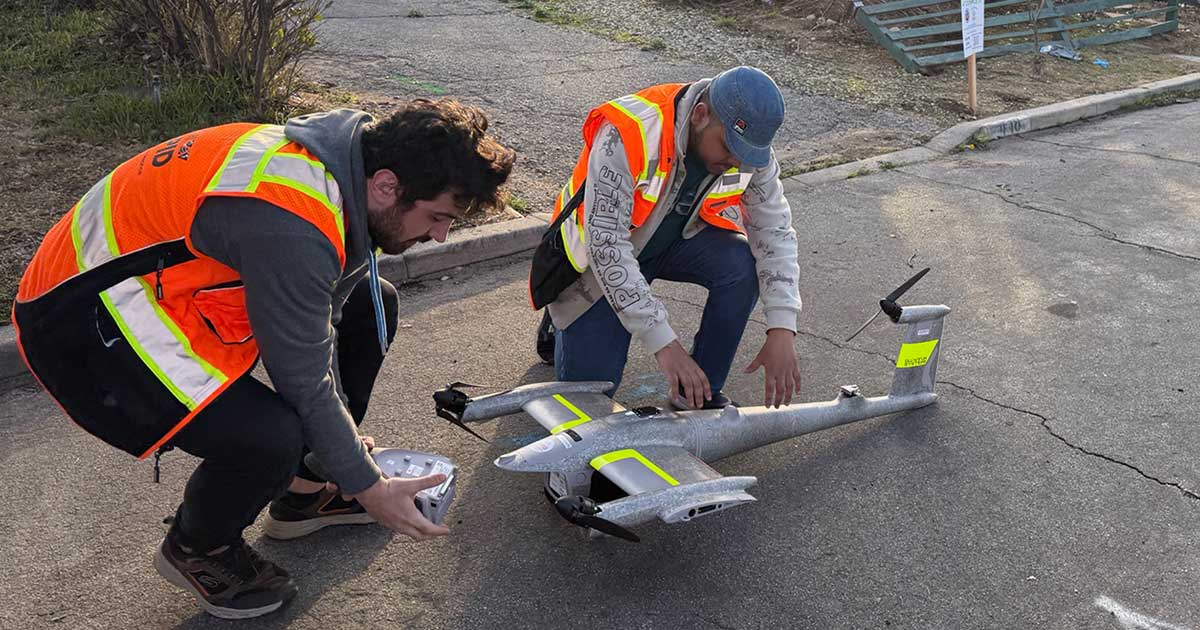
The National Institutes of Health (NIH), in collaboration with the U.S. National Science Foundation (NSF), is supporting research to bolster the collection of time-sensitive health data in the wake of Hurricanes Helene and Beryl, the Los Angeles wildfires, and other natural disasters. The research projects are part of a larger effort by two NIH-NSF-supported research…
-

EVs are nanosized bubbles of membrane — some so tiny they are 1,000 times smaller than the width of a human hair — that are secreted by cells into the space around them. (Image courtesy of AdobeStock) Extracellular vesicles (EVs) have long been hailed as molecular messengers that shuttle proteins and RNA between cells. But…
-

Scientists at the National Institutes of Health (NIH) have found that two common types of hormone therapy may alter breast cancer risk in women before age 55. Researchers discovered that women treated with unopposed estrogen hormone therapy (E-HT) were less likely to develop the disease than those who did not use hormone therapy. They also…
-
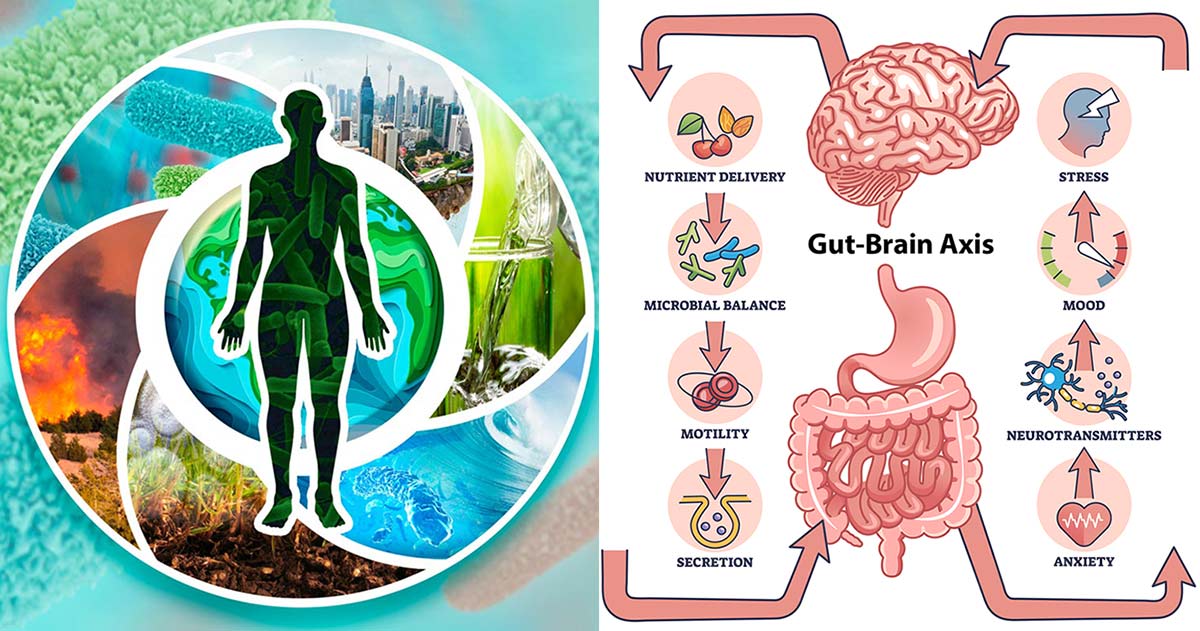
Untangling the connection among environmental exposures, the microbiome, and the gut-brain axis will be crucial to developing new strategies to prevent or treat neurological disorders, according to Anika Dzierlenga, Ph.D., of the NIEHS Division of Extramural Research and Training. Dzierlenga, together with Jonathan Hollander, Ph.D., made the case for new research funding on this topic…
-
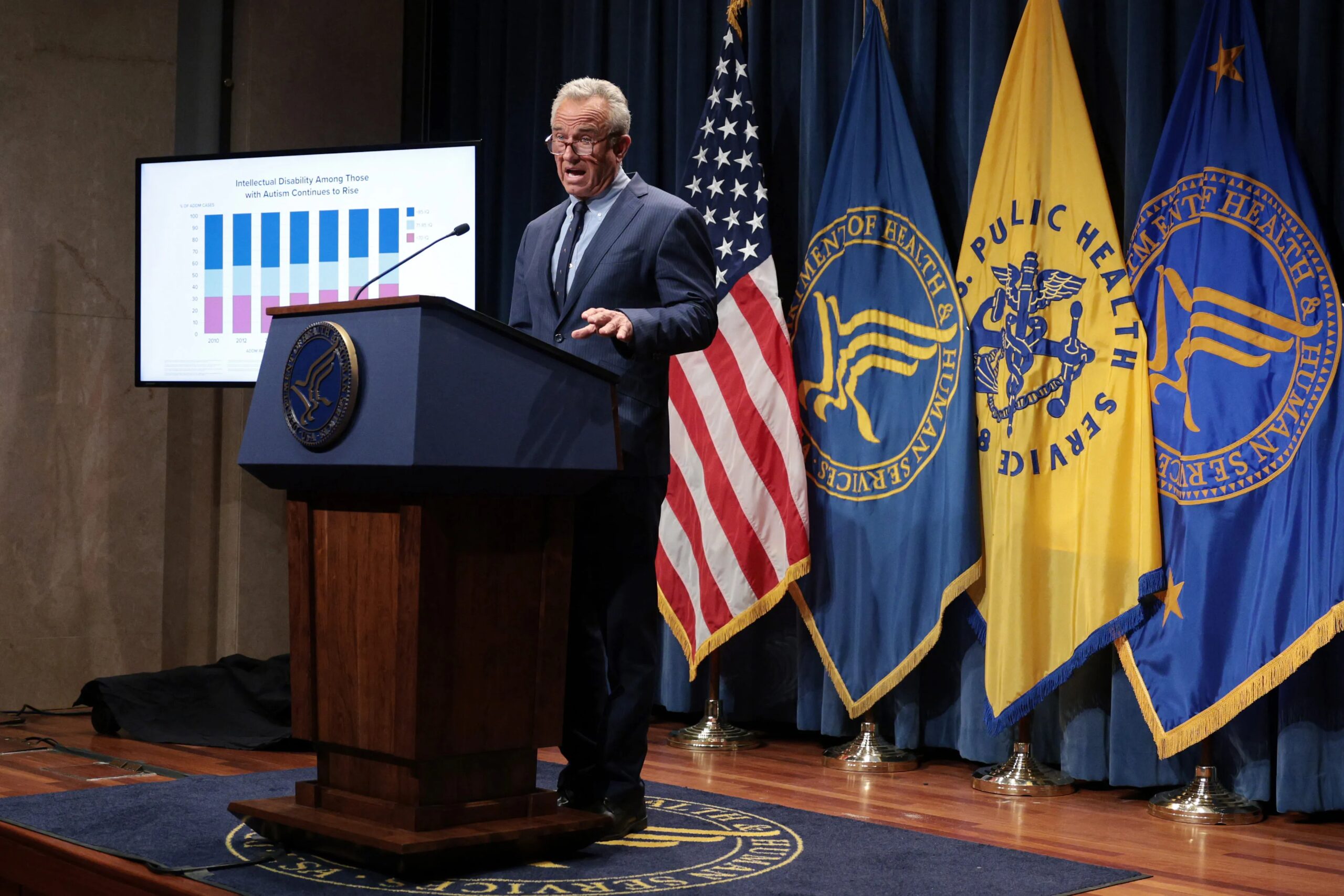
U.S. health secretary Robert F. Kennedy Jr. is pursuing federal government access to most Americans’ medical records, in a quest to research a link between vaccines and autism — a connection the medical establishment studied for decades and flatly rejects. The Department of Health and Human Services is seeking data from little-known state systems that…



