

Category: Wellness
-
When Darryl Zeldin, M.D., joined NIEHS in 1994, he was laser-focused on advancing his research into asthma, allergies, and eicosanoids, which are molecules that play key roles in inflammation and other immune responses. Today, he reflects fondly on the 380 peer-reviewed scientific papers he has published, but he says his real legacy will live on…
-

NIEHS was awarded nearly $4 million over three years to lead an ambitious effort that integrates environmental, climate-related, and societal data with health outcomes data. The project’s overall goal is to create a resource that researchers can use to identify and reduce the health effects associated with environmental or climate-related events and improve patient and…
-
University of Chicago chemist Chuan He has been awarded the prestigious Wolf Prize in chemistry for his pioneering discovery of reversible RNA methylation and its role in gene expression. He was awarded the 2023 Wolf Prize in Chemistry. He’s research helped open a new field in biology known as epitranscriptomics. (Image courtesy of Jason Smith…
-

Discussion of the environment’s role in health research across the National Institutes of Health (NIH), Alzheimer’s Disease, and plans for a Research Coordinating Center on the Exposome were among the highlights of the 168th meeting of the National Advisory Environmental Health Sciences Council (NAEHSC), held Feb. 21-22. The hybrid meeting marked the first time post−COVID-19 that at…
-

Environmental Factor – March 2023: NIEHS Kids website celebrates 25 years, tops list of most popular
In Jan. 1999, NIEHS published its first NIEHS Kids website on the heels of a White House memo calling for expanded access to internet-based educational resources. Today, the website is one of the most visited sites on the National Institutes of Health (NIH) website. “The popularity of NIEHS Kids website ranks in the 99.96th percentile…
-

Six research programs across the National Institutes of Health (NIH) recently received funding designed to advance climate-related research activities. The Intramural Targeted Climate Change & Health (ITCCH) funding program is a $2.1 million collaboration between NIEHS and the NIH Office of Intramural Research. The two-year awards will provide up to $200,000 annually to support research…
-

New informatics and biomonitoring technologies could allow researchers and regulators to make the most of data sets for investigating the health impacts of environmental exposures, according to Xiuxia Du, Ph.D., from the University of North Carolina at Charlotte. Du introduced the technologies during her Jan. 30 Keystone Science Lecture. Du’s research group is creating technology…
-
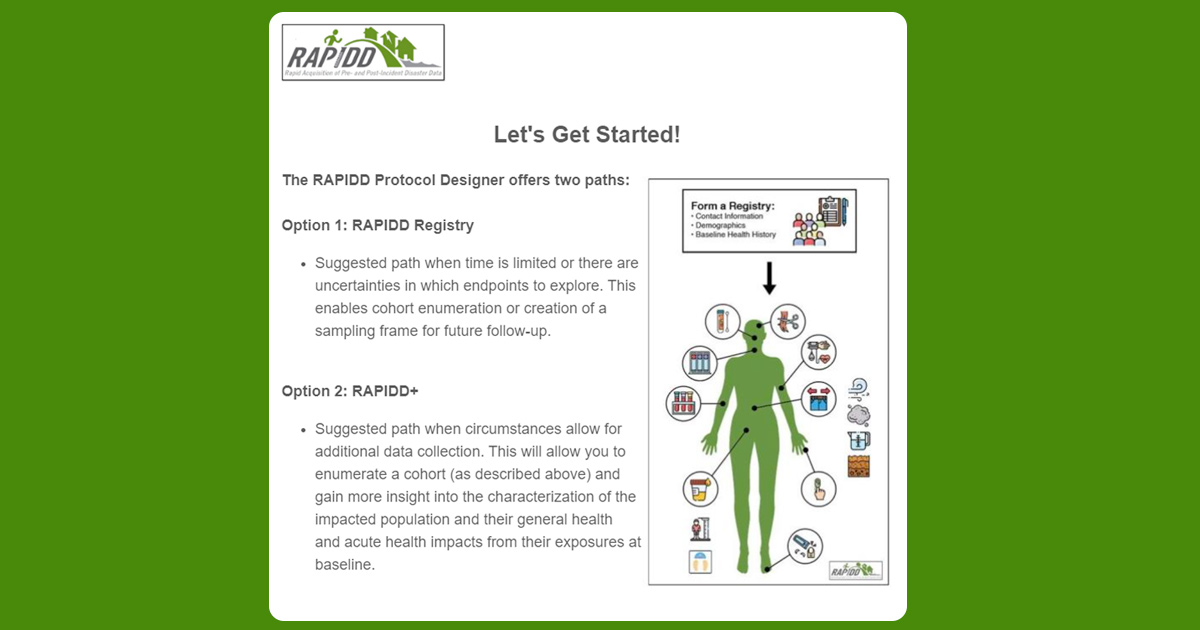
To help research teams respond more rapidly to environmental disasters, the NIEHS Disaster Research Response (DR2) Program has launched a free online tool for managing disaster-related research. The Rapid Acquisition of Pre- and Post-Incident Disaster Data (RAPIDD) Protocol Designer, as the tool is called, will aid the research community’s efforts in collecting valuable data and…
-
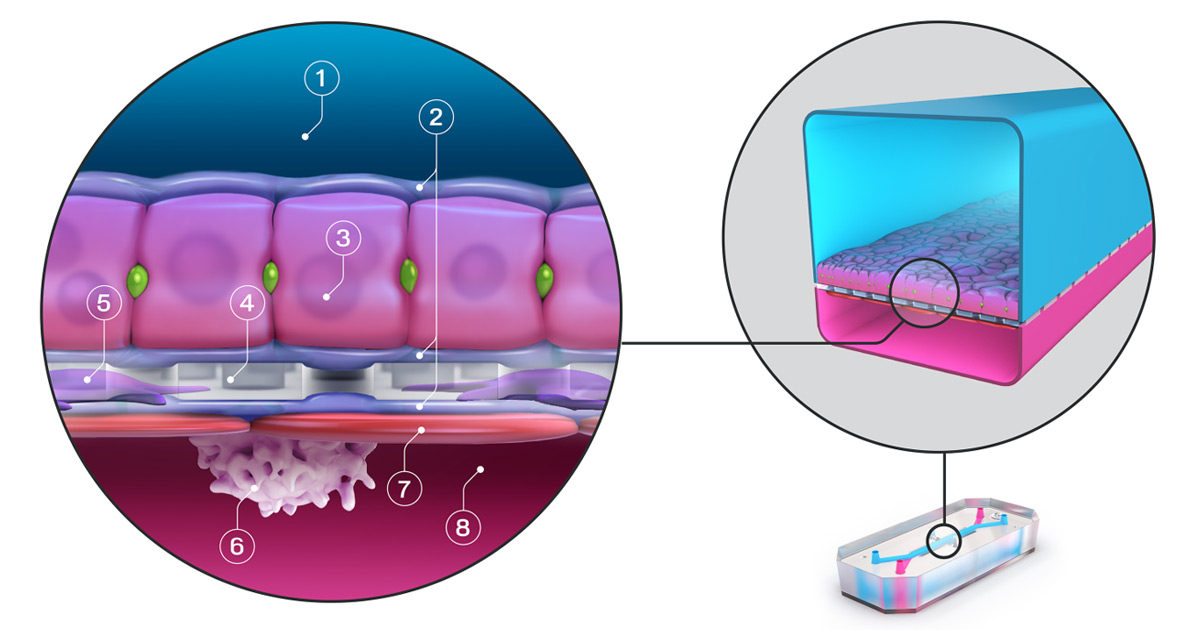
Three experts from the academic and private sectors presented emerging technologies that could provide biologically relevant alternatives to animal testing at a Jan. 30 webinar organized by the National Toxicology Program Interagency Center for the Evaluation of Alternative Toxicological Methods (NICEATM). Most regulations that require data from chemical safety tests are designed to protect humans.…
-
A long-term interagency effort has resulted in new methods for testing whether certain substances disrupt the body’s hormones, which are part of the endocrine system. Such endocrine-disrupting chemicals can contribute to a variety of human conditions, including diabetes, early puberty, and cancer. Kleinstreuer conducts computational toxicology work as it relates to biological processes and human…



