

Category: Wellness
-

Science can sometimes become a personal mission, driven by personal experiences. For Ellen Hahn, Ph.D., the loss of someone you know is what motivates her to educate people throughout her home state about the dangers of radon exposure. Hahn discussed two NIEHS-funded research initiatives that help Appalachian families understand the importance of home radon testing…
-

In October 2022, researchers published key findings from a workshop held earlier in the year that discussed ways to reduce human exposure to toxic elements in food. Sponsored by the United States Department of Agriculture (USDA) and organized by two scientists supported by the NIEHS Superfund Research Program (SRP), the event focused on several themes:…
-
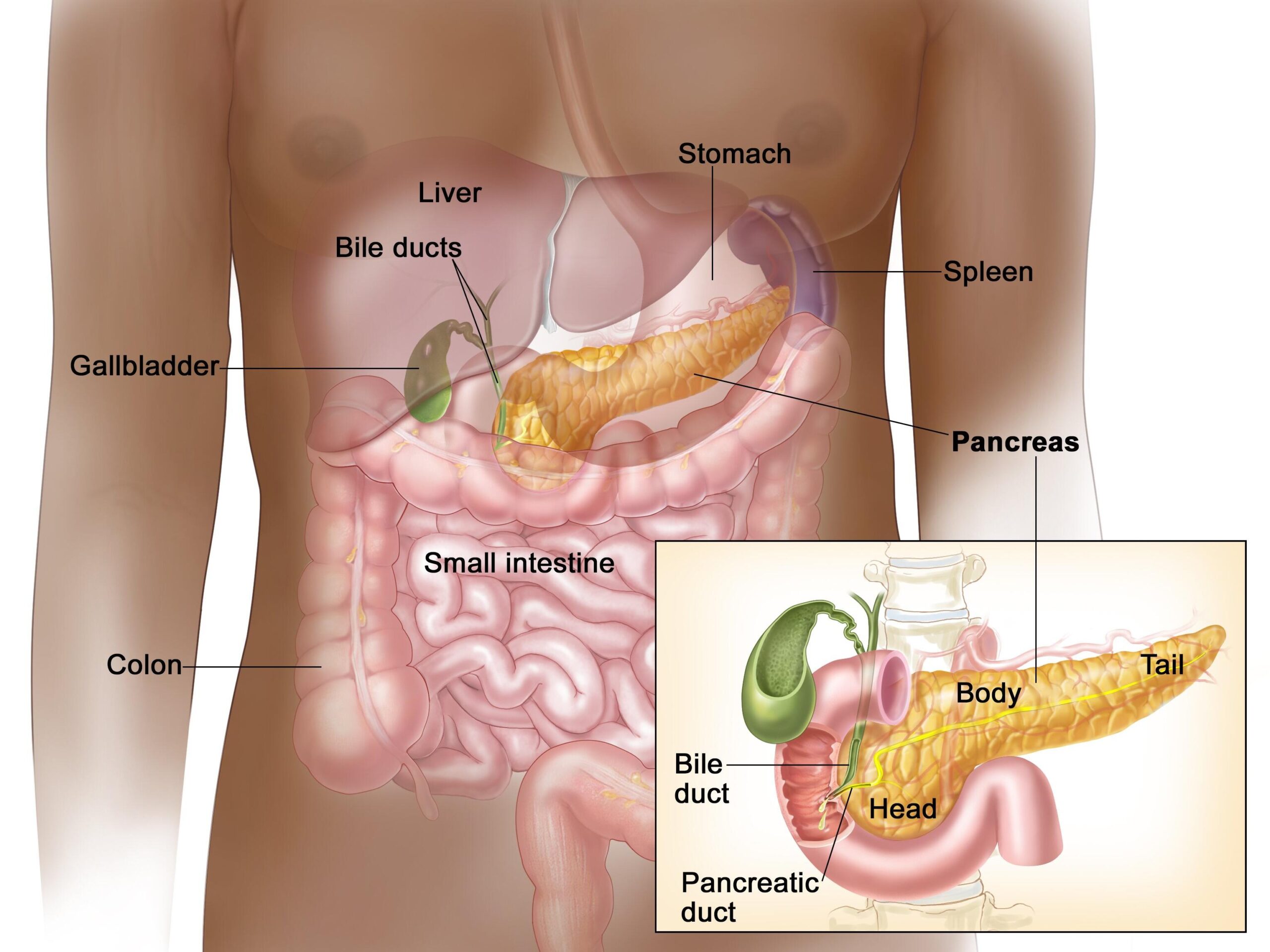
Pancreatic neuroendocrine tumors (NETs), also called islet cell tumors, begin in the tissues of the pancreas, a pear-shaped organ in your abdomen that lies behind the lower part of your stomach. The pancreas has two main types of cells: exocrine cells that produce enzymes, which help digest food in our intestines, and endocrine cells that…
-
NIEHS efforts have demonstrated how knowledge of the exposome, or the totality of our environmental exposures can be harnessed to transform research on human health and disease. Now, the publication of a high-impact, clinically relevant paper from a decades-long study of environmental exposures demonstrates that a framework known as precision environmental health is coming of…
-

Rick Woychik, Ph.D., directs NIEHS and the National Toxicology Program. (Image courtesy of NIEHS) Last November, I participated in a Mayo Clinic conference in Rochester, Minnesota, that focused on how knowledge of the exposome — the totality of our environmental exposures throughout life and their related biological changes — can advance precision medicine. The goal…
-

Following the discovery of high levels of per- and polyfluoroalkyl substances (PFAS) in the blood of GenX Exposure Study participants, researchers are working quickly to report their findings back to the North Carolina communities and address their concerns. Led out of North Carolina State University (NCSU), the study started in 2017 when PFAS were found…
-

The Native American Heritage Month Annual Guest Lecture Nov. 16 focused on NIEHS-funded environmental health research in Alaska with co-presenters Pamela Miller and Viola “Vi” Waghiyi of the nonprofit group Alaska Community Action on Toxics (ACAT). Waghiyi is a tribal citizen of the Native Village of Savoonga, a Yupik community on Sivuqaq (St. Lawrence Island). Miller…
-
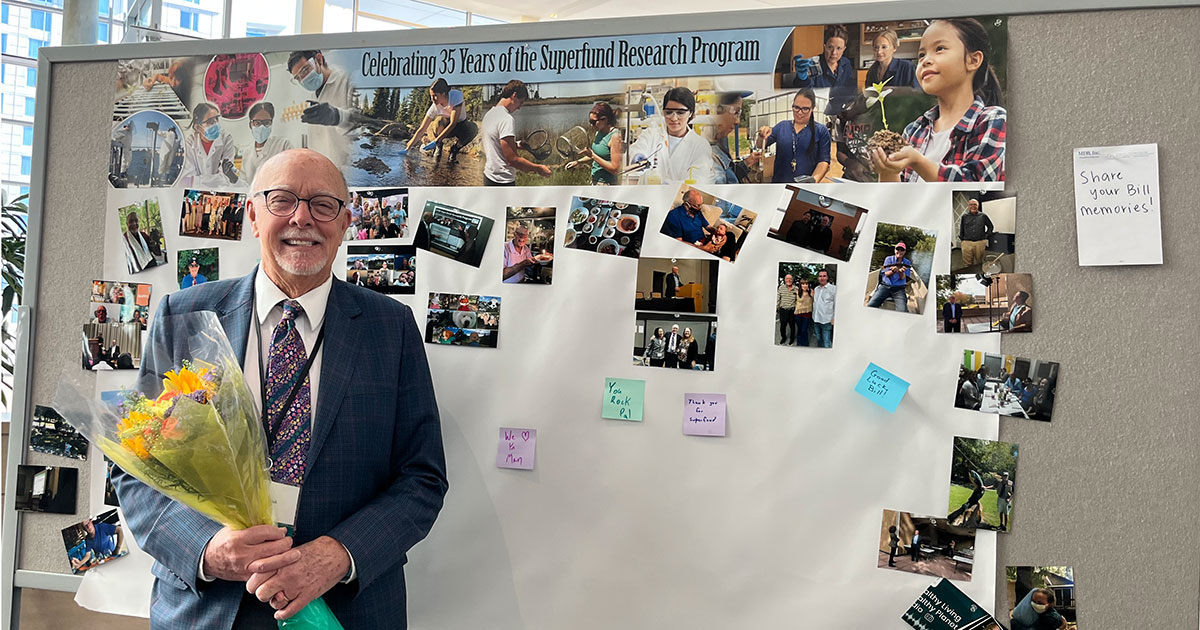
The NIEHS Superfund Research Program (SRP) marked its 35th anniversary Dec. 14-17, 2022, at its first in-person annual meeting since 2019. Researchers, trainees, and community partners from across the U.S. gathered in Raleigh, North Carolina, to learn about select SRP-funded projects through workshops and presentations. The SRP centers at North Carolina State University (NCSU) and…
-

The San Vicente de Paúl Nursing Home in the South Bronx hasn’t admitted a patient since December 2024. ArchCare, which operates the facility, has reduced its capacity from 120 available beds to 53 and plans to shrink it further. Another ArchCare nursing home, on Staten Island, has shut down a full floor. North of the…
-
The National Institutes of Health (NIH) has a new Data Management and Sharing Policy that requires all NIH-funded researchers to create, implement, and report an NIH Data Management and Sharing (DMS) Plan. The new policy, which went into effect on Jan. 25, seeks to ensure that taxpayer-funded research is made publicly available. The DMS Plan…



