

Category: Wellness
-
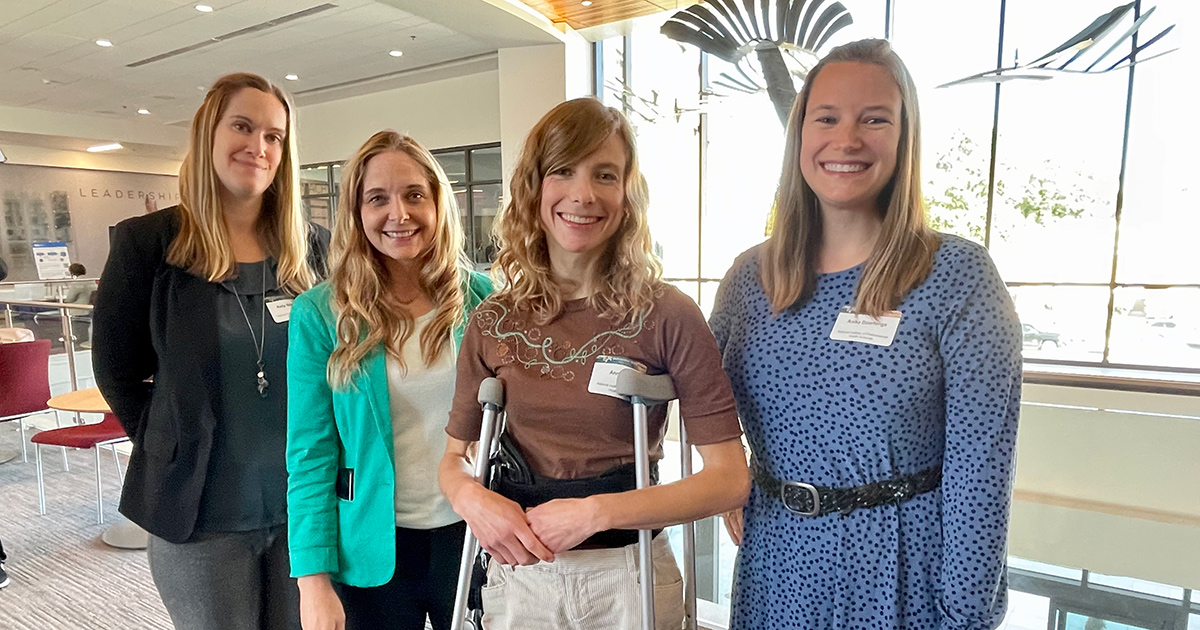
Environmental epidemiology, citizen science, and the public health effects of climate change were among the topics highlighted at the North Carolina Society of Toxicology (NCSOT) annual conference, which was held Oct. 19 at North Carolina Central University (NCCU) in Durham. NIEHS = NCSOT. From left to right, Kelly Shipkowski, Ph.D.; Kristen Ryan, Ph.D.; Anna Kreutz,…
-
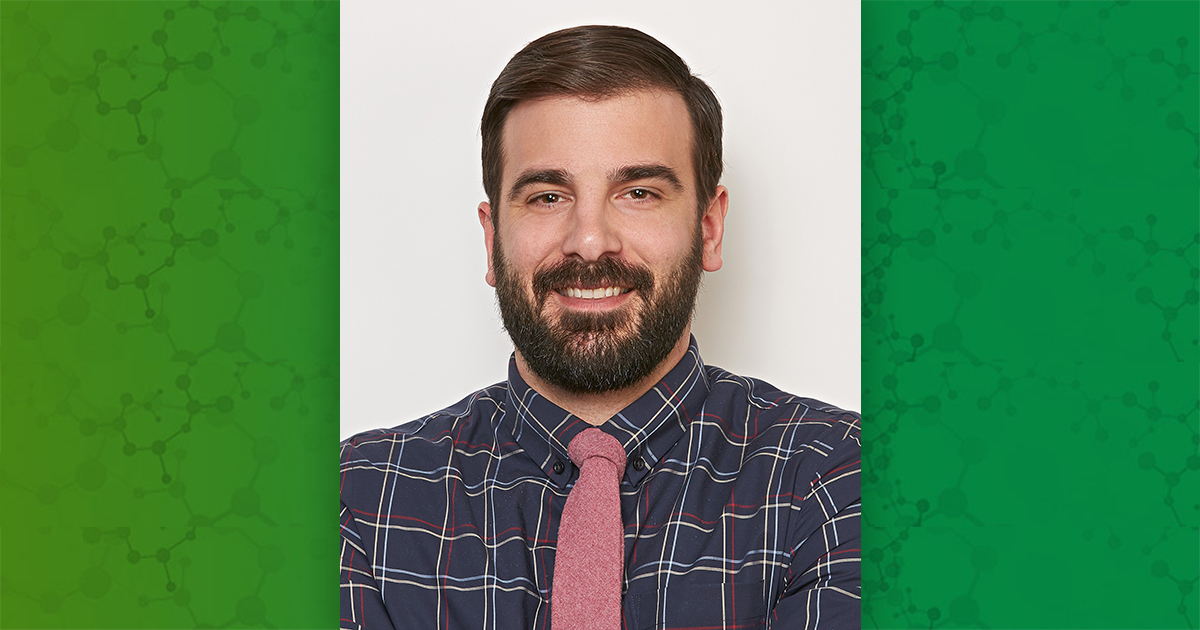
Ableism, which is discrimination or prejudice against people with disabilities, was the focus of the Oct. 24 NIEHS Diversity Speaker Series event in recognition of National Disability Employment Awareness Month. David Rice, the acting branch director of the National Institutes of Health (NIH) Office of Equity, Diversity, and Inclusion (EDI) Special Emphasis Programs, shared his own experiences…
-
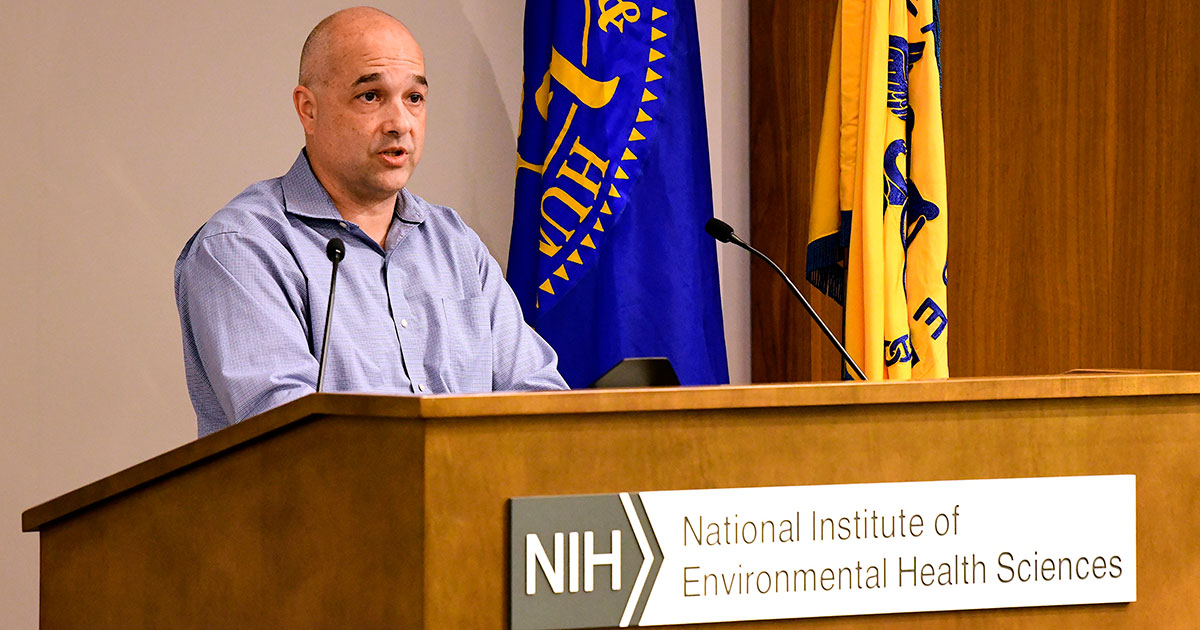
An inspirational talk, a raffle, refreshments, and presentations by community partners were just some of the highlights from this year’s NIEHS Veterans Day Celebration held Nov. 10. The event recognized the bravery and sacrifice of federal employees and contractors who have served in United States Armed Forces. “The Navy has given me far more than…
-
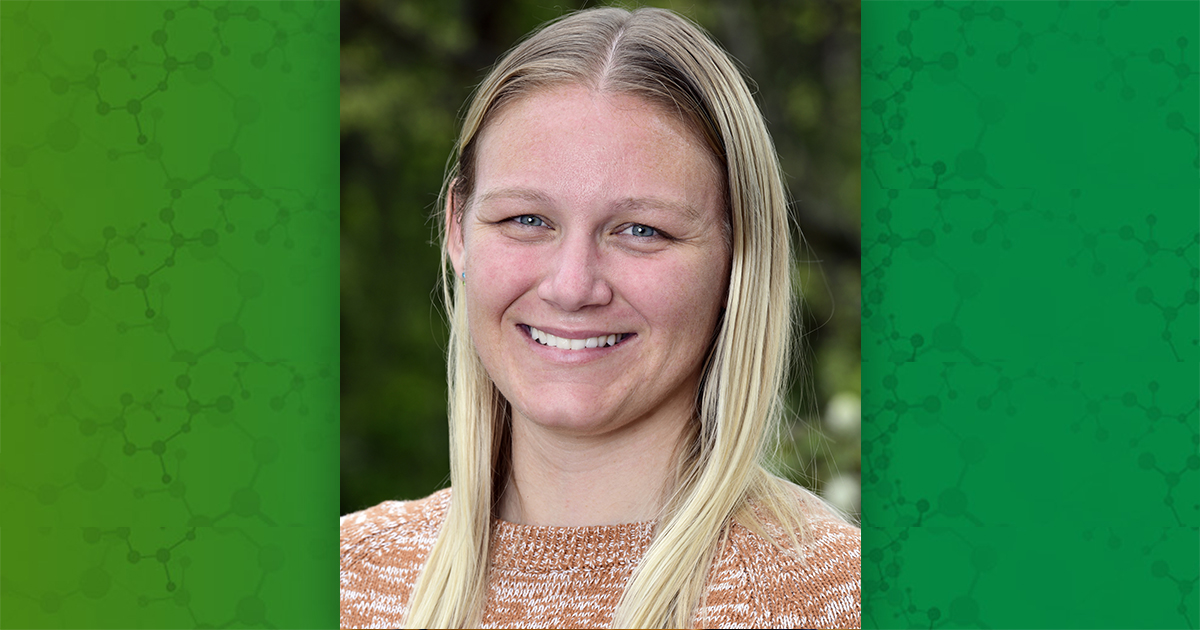
Adriana Alexander, Ph.D., a postdoctoral fellow in the NIEHS Reproductive Developmental Biology Group, received a $5,000 award to help offset family care expenses and attend the Society for the Study of Reproduction (SSR) conference. She is one of five recipients of the inaugural Career Advancement and Research Excellence Support (CARES) Award, given by the Federation…
-
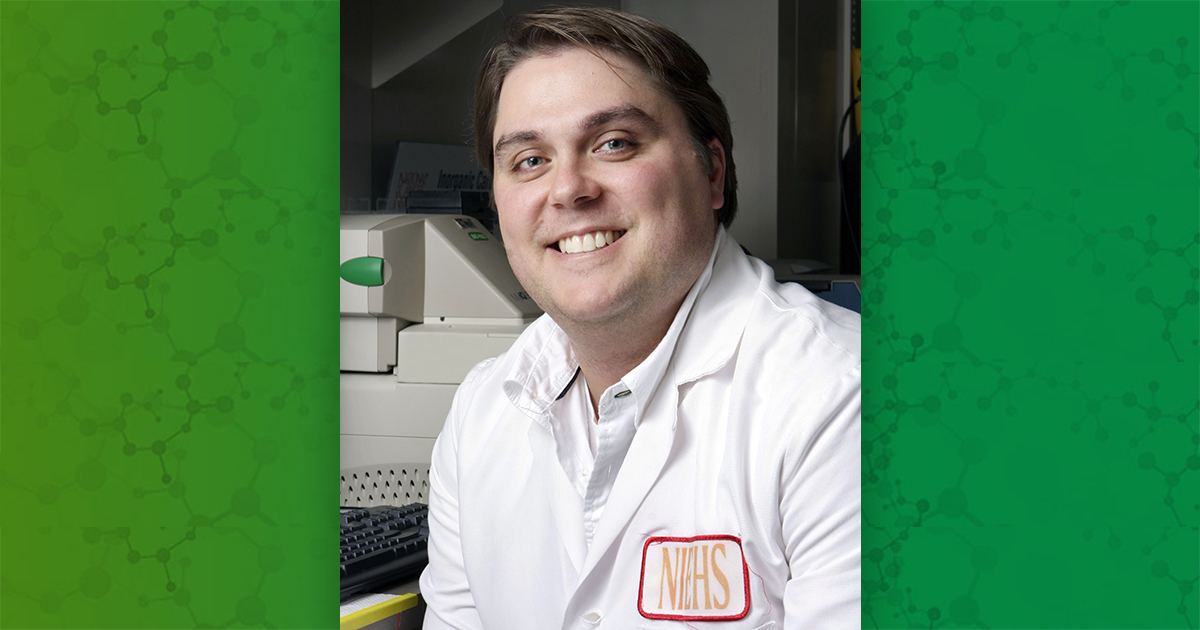
Researchers at NIEHS have developed a three-dimensional (3D) model that shows how exposure to cadmium might lead to congenital heart disease. Congenital heart disease is the most common birth defect in the United States, affecting nearly 40,000 newborns a year. Tokar is a DTT staff scientist. DTT is supported in part by the National Toxicology…
-

IntramuralBy Janelle Weaver Study shows how cadmium affects heart development 2D and 3D model systems provide valuable insights into cellular events and molecular mechanisms associated with cadmium-induced congenital heart disease, according to researchers from the NIEHS Division of Translational Toxicology. Maternal exposure to cadmium is a significant risk factor for congenital heart disease. But the…
-
ExtramuralBy Julie Leibach For oysters, microplastic uptake and purging depend on contaminant size and shape Accumulation and elimination of plastic litter in eastern oysters depends on contaminant size and shape, according to research funded by NIEHS. The team also found that holding oysters in a water tank so they can purge contaminants — a process…
-
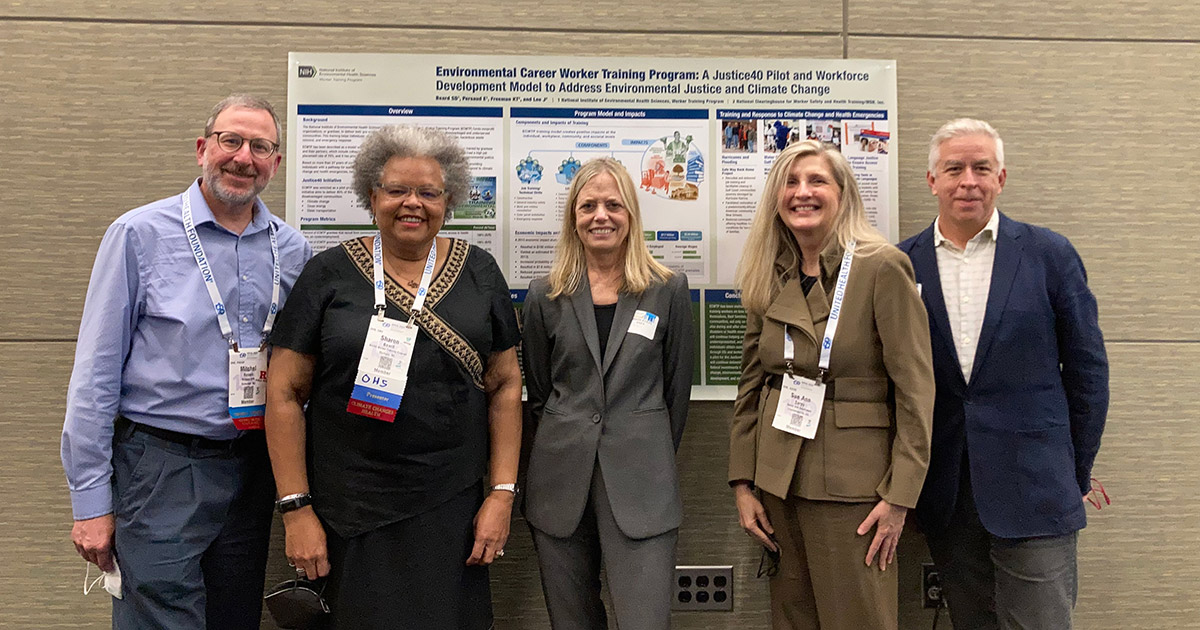
Construction is traditionally a white, male-dominated field. One nonprofit organization, Building Pathways, has been helping to transform the industry by recruiting and training diverse workers for entry into the construction and building trades. During a Nov. 7 visit to Building Pathways headquarters in Boston, NIEHS Worker Training Program (WTP) Director Sharon Beard witnessed how the…
-
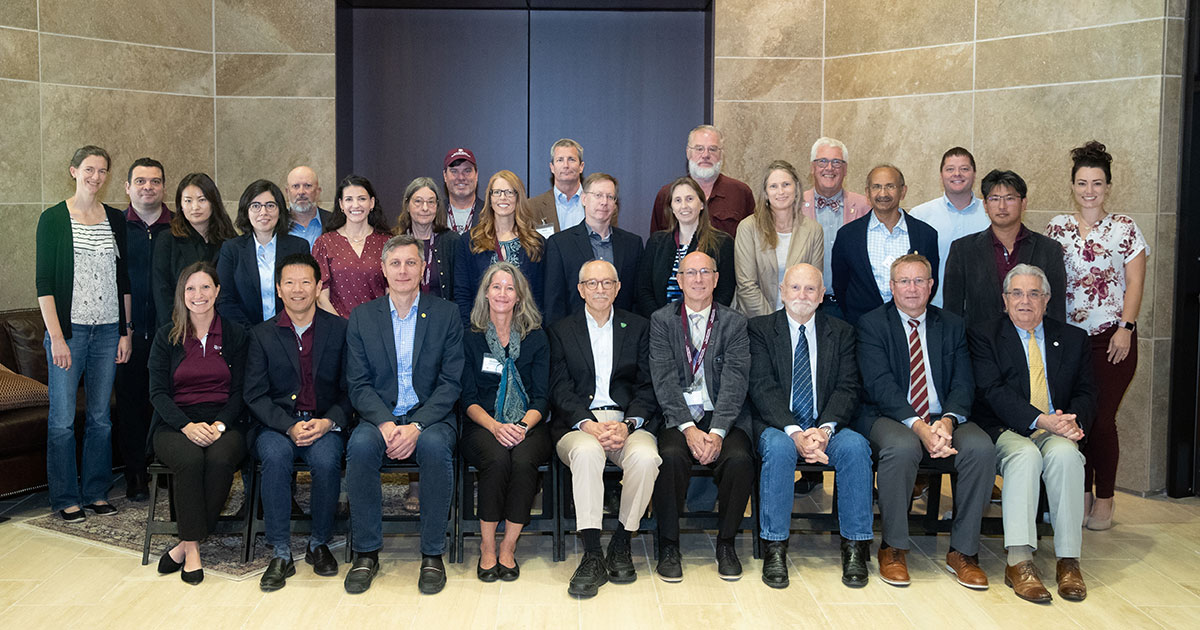
Rick Woychik, Ph.D., director of NIEHS and the National Toxicology Program, traveled to Texas A&M University (TAMU) Oct. 27-28 for a Superfund Research Center event celebrating the renewal of TAMU’s Superfund Research Program (SRP) P42 grant. Woychik delivered remarks regarding the future of environmental health sciences at the event, visited faculty and graduate students in…
-
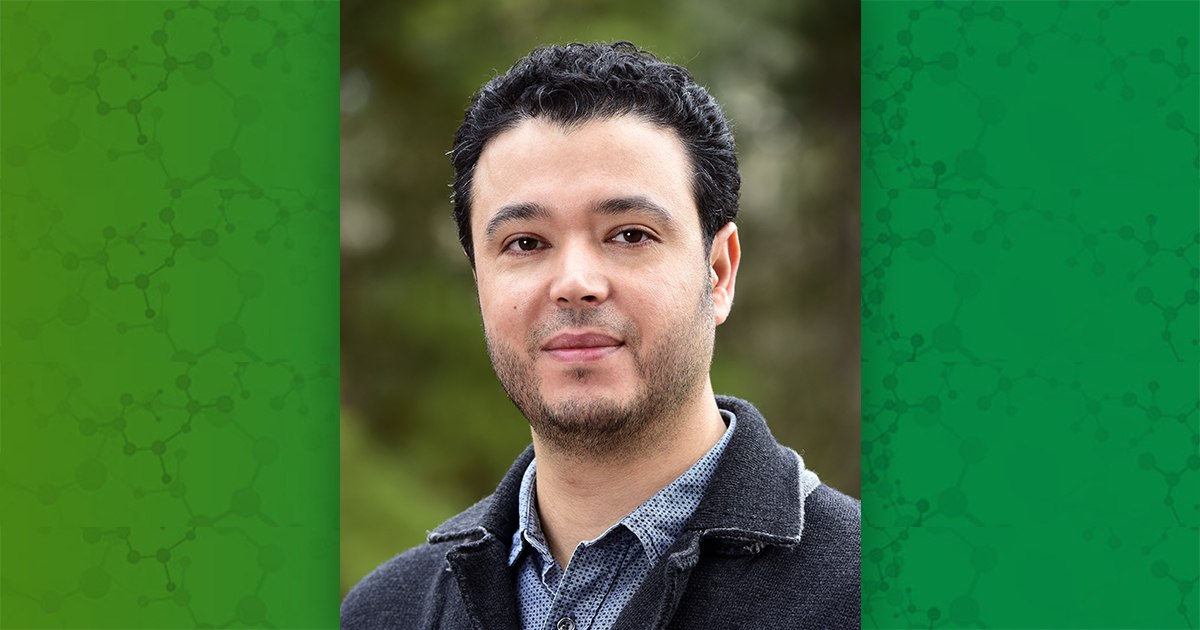
Tens of thousands of chemicals from commercial products find their way into the environment, and new substances emerge each day. Studying potential human health effects of each chemical separately is time-consuming and costly, which is why experts around the world agree on the need for more efficient methods. Mansouri led multiple international projects to develop…



