

Category: Wellness
-

For most people, perimenopause typically begins in your late 30s or mid-40s and can last for several years, leading up to menopause. Certain influences may affect when perimenopause starts and how you experience it. These can include genetics, lifestyle, medical history, and whether or not you’ve given birth. You might find yourself going through perimenopause…
-
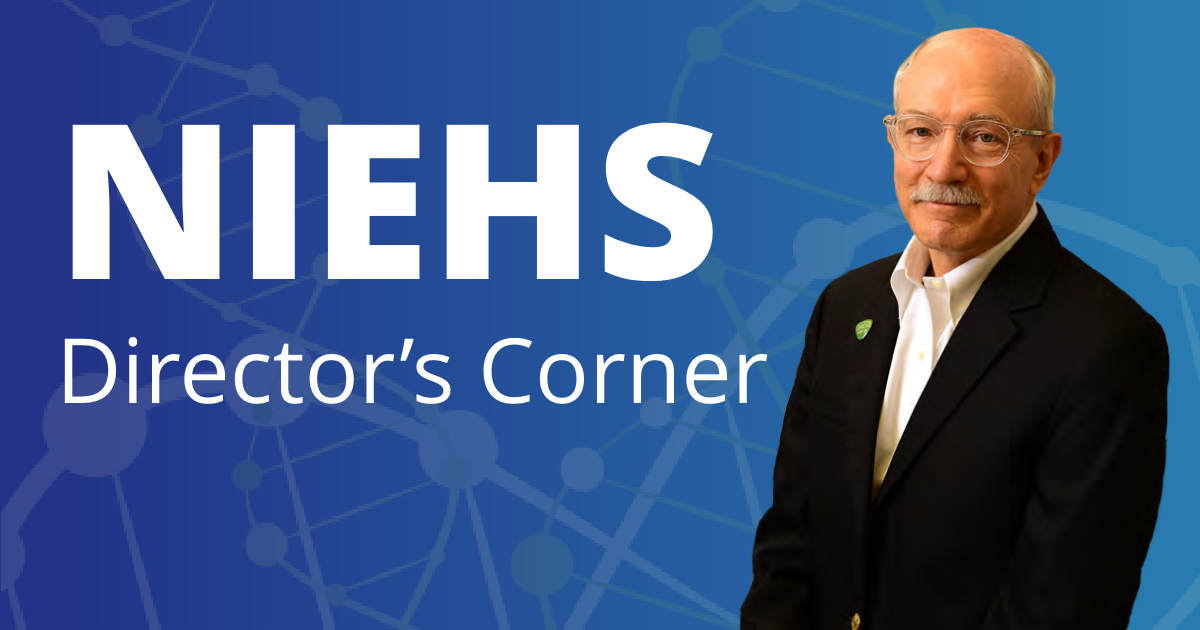
Rick Woychik, Ph.D., directs NIEHS and the National Toxicology Program. (Image courtesy of NIEHS) When I look back on my career, I think about the individuals who influenced me for the better — my parents, high school science teachers, and postdoctoral mentor, to name just a few. The guidance and insights they provided helped me…
-
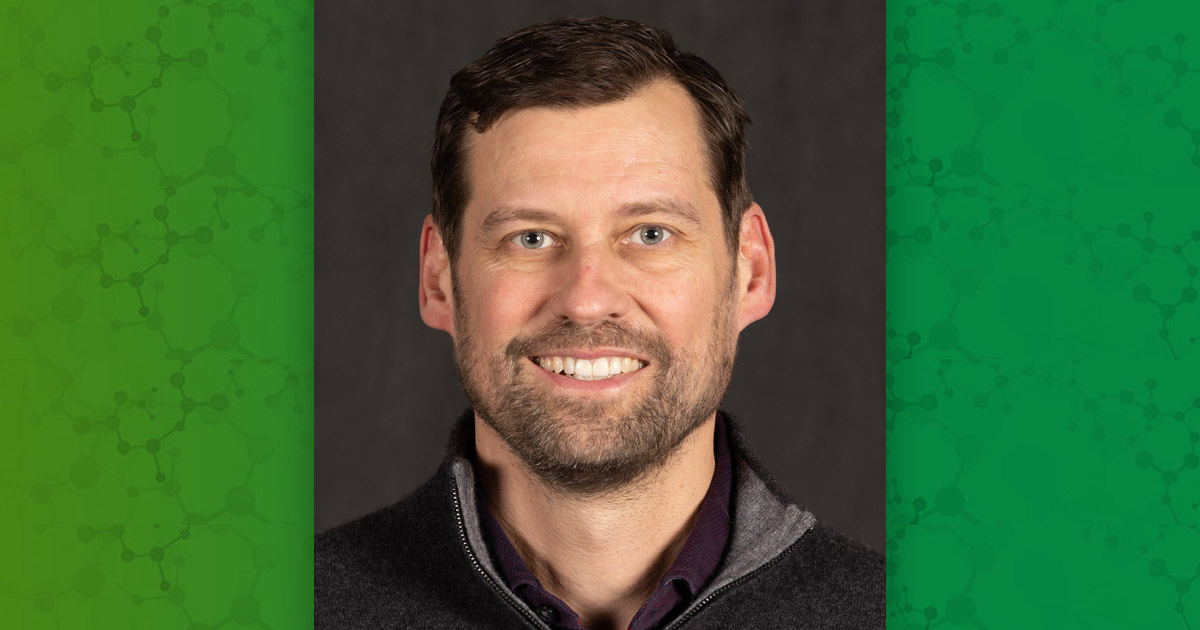
Pilsner’s research highlights the importance of healthy male sperm production for reproductive success, examines transgenerational effects of environmental exposures, and seeks novel biomarkers beyond sperm count for fertility prediction. (Photo courtesy of Richard Pilsner) “Healthy babies start with healthy gametes,” said NIEHS grantee Richard Pilsner, Ph.D., and men have a 74-day window to get it…
-
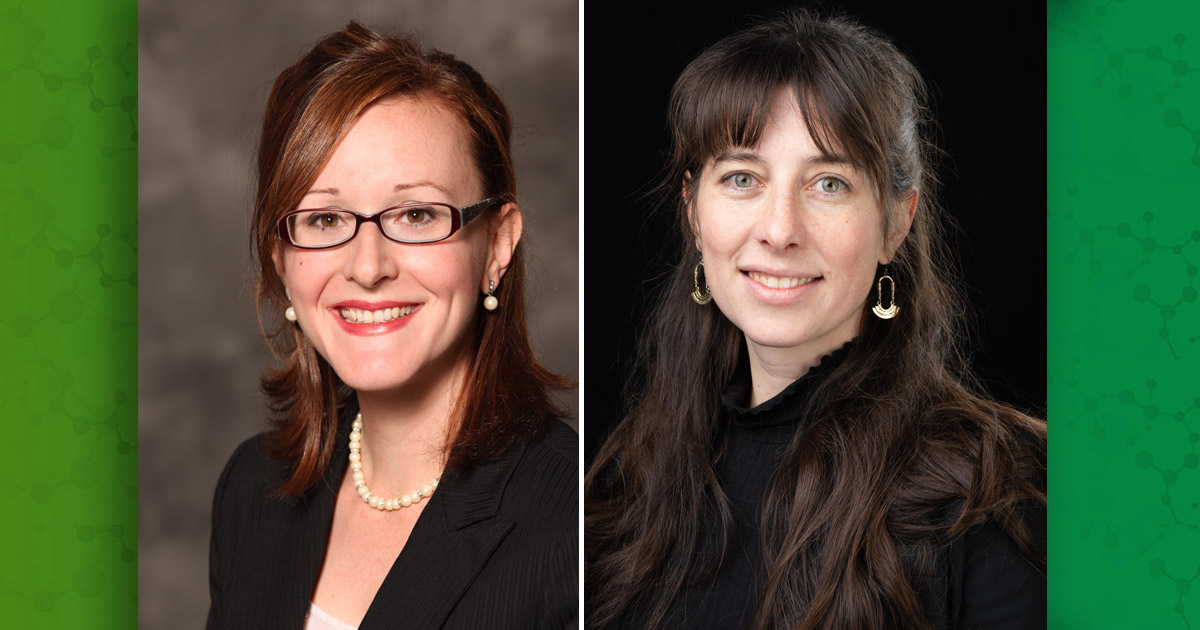
Mental Health Awareness Month took place in May, and two NIEHS-funded scientists are not letting the important topic go unnoticed. Together, they are spearheading a project that delves into the mental health impacts of the climate crisis in young people. Sugg’s research focuses on how spatiotemporal patterns of illnesses relate to environmental, socioeconomic, and climatic…
-

NIEHS researchers and their collaborators recently found exposure to potassium bromate causes distinct changes in yeast DNA, and that footprints of the same changes, or mutations, are found in samples of human esophageal, stomach, and colorectal cancer. The study was published April 20 in the journal Nucleic Acids Research. Potassium bromate is widely used in…
-
The basics Wearable devices use computers and other advanced technology designed to be worn in clothing or directly against the body. These devices are usually used for entertainment and other tasks like monitoring physical activity. Wearable technology typically uses low-powered radiofrequency (RF) transmitters to send and receive data from smartphones or the Internet. RF transmitters…
-

NIEHS postdoctoral fellows Danielle Stevens, Ph.D., and Ciro Amato, Ph.D., have been awarded National Institutes of Health Pathway to Independence Awards. The research grants, also known as K99/R00 funding, have helped many fellows boost their careers and transition from mentored researcher positions to independent tenure track or equivalent faculty positions. “We are very proud of…
-

Twenty-eight NIEHS postbaccalaureate (postbac) program trainees presented their work in person and virtually during the 2023 National Institutes of Health (NIH) Postbac Poster Day held April 19-20 at the Bethesda, Maryland campus. Four of the trainees, who are all recent college graduates, ranked in the top 20% of the nearly 950 postbacs who presented at…
-
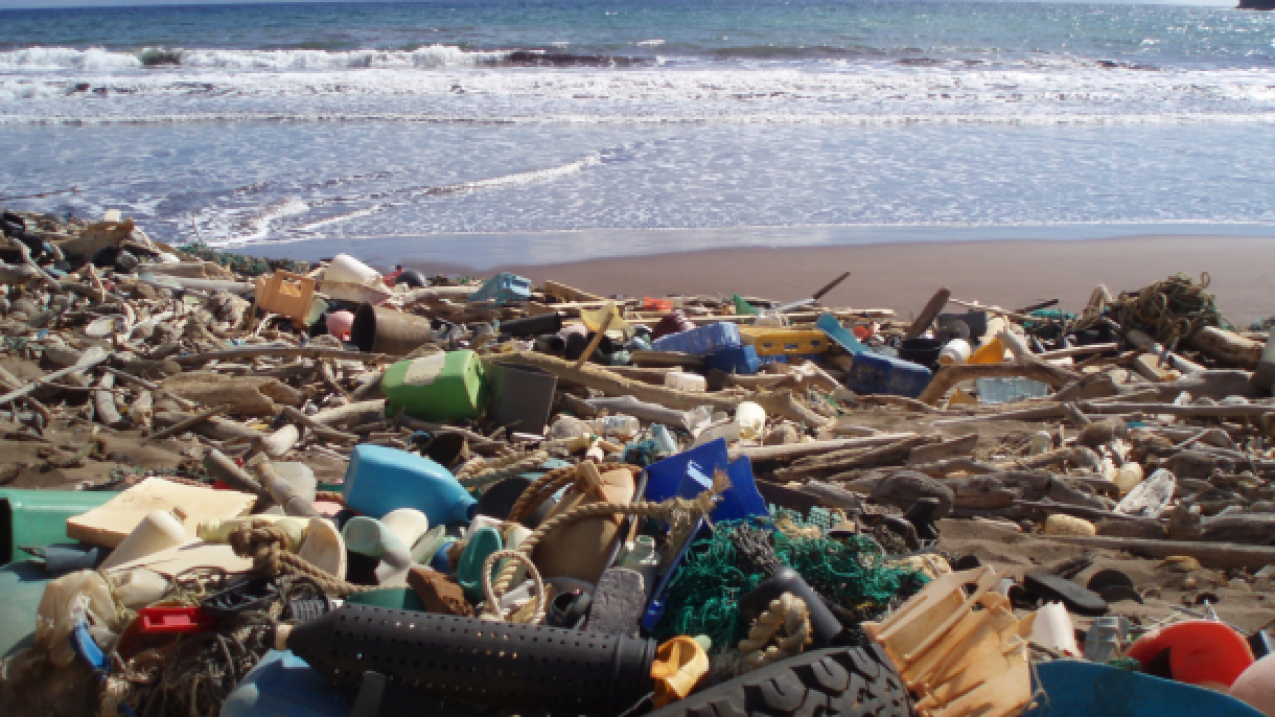
Marine debris Marine debris is a persistent pollution problem that reaches throughout the entire ocean and Great Lakes. Our ocean and waterways are polluted with a wide variety of marine debris, ranging from tiny microplastics, smaller than 5 mm, to derelict fishing gear and abandoned vessels. Worldwide, hundreds of marine species have been negatively impacted…
-
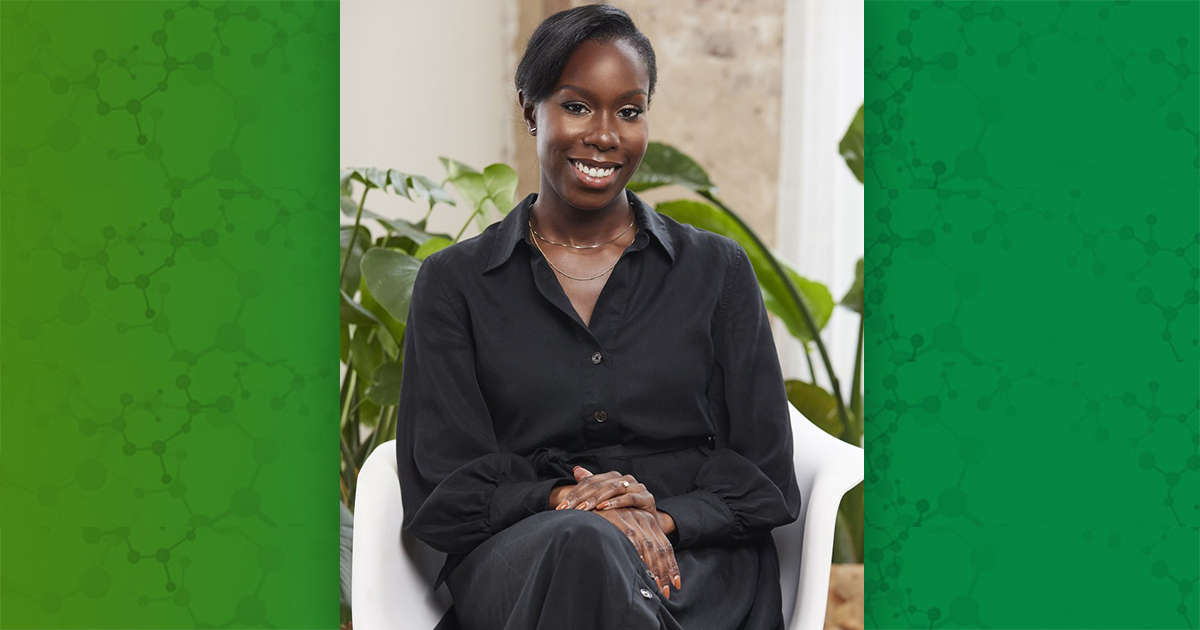
The second annual NIEHS Juneteenth celebration, which featured a lunch and a lecture, was held June 20 in honor of the national holiday commemorating the day enslaved people in Galveston, Texas learned they were freed by the 1863 Emancipation Proclamation. Angela Thorpe shared stories of the Black southern experience and marginalized communities in North Carolina…



