

Category: Wellness
-
Overview of Harmful Algae Algae are natural and important primary producers in aquatic ecosystems. Some species, under certain conditions can produce toxins that affect human health and the environment. In addition, some algae can produce excessive biomass (blooms) that can lead to harmful impacts on the environment, such as low/no oxygen (hypoxia/anoxia) or acidification, or…
-
Three recent NIEHS-funded studies suggest new benefits of folate supplementation in women of reproductive age. The studies indicate folate has some ability to reduce the accumulation of PFAS in blood serum, thus minimizing adverse generational effects. Carmen Messerlian, Ph.D., is an assistant professor of environmental reproductive, perinatal, and pediatric epidemiology at Harvard University. She recently published…
-

Millions of children and pregnant women can get their flu vaccinations from today, as the NHS rolls out the first phase of its flu programme to protect families ahead of winter. NHS teams are making it as easy as possible for people to get protected, including taking vaccines out into local communities, delivering them in…
-
Researchers and regulators from around the world recently convened to explore the use of microphysiological systems (MPS), also called tissue chips, to improve understanding and treatment of emerging infectious diseases. Human-based organ models were the focus of a virtual workshop called “From Research to Readiness: Advancing Research and Regulatory Acceptance of MPS for Infectious Disease…
-
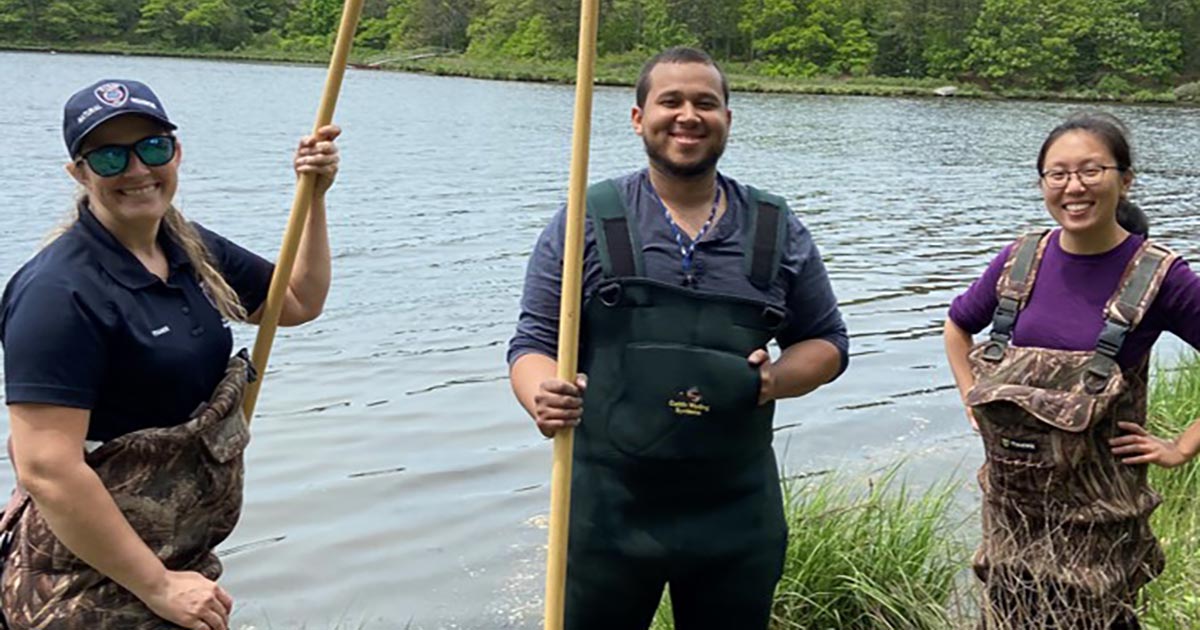
How to address complex environmental health issues related to hazardous contaminants, climate-related disasters, and other concerns headlined a recent NIEHS Superfund Research Program (SRP) webinar series called Progress in Research. The four-part series in May and June highlighted the work of 11 SRP multi-project centers that received new or renewed funding in 2022. Each webinar…
-
Around 100 NHS pharmacies in England will begin offering life-saving cholesterol check-ups this autumn, as part of an NHS drive to reduce heart disease and stroke deaths by a quarter over the next decade. People aged 40 to 84 who are not pregnant and have not had a blood test in the past year will…
-

Exploring how chemical contaminants move through the environment and affect aquatic food webs, Upal Ghosh, Ph.D., a professor at the University of Maryland, Baltimore County (UMBC), aims to develop and implement technologies to help ecosystems recover from pollution. Ghosh is a professor of chemical, biochemical, and environmental engineering at UMBC, where his research group explores…
-
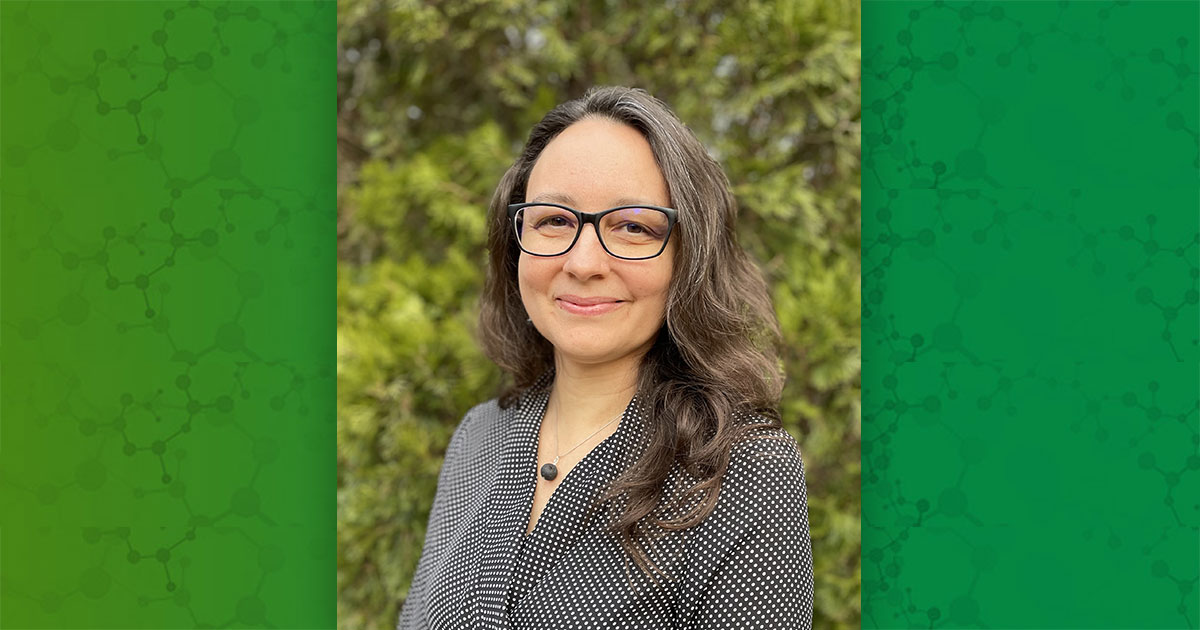
Social vulnerability and other climate-related indices can be valuable tools for public health, but they should be used with caution in research, according to Ferdouz Cochran, Ph.D., a climate-health science lead at the Health Innovation Center at MITRE Labs. “There are questions that we really need to think about before using these metrics because most…
-
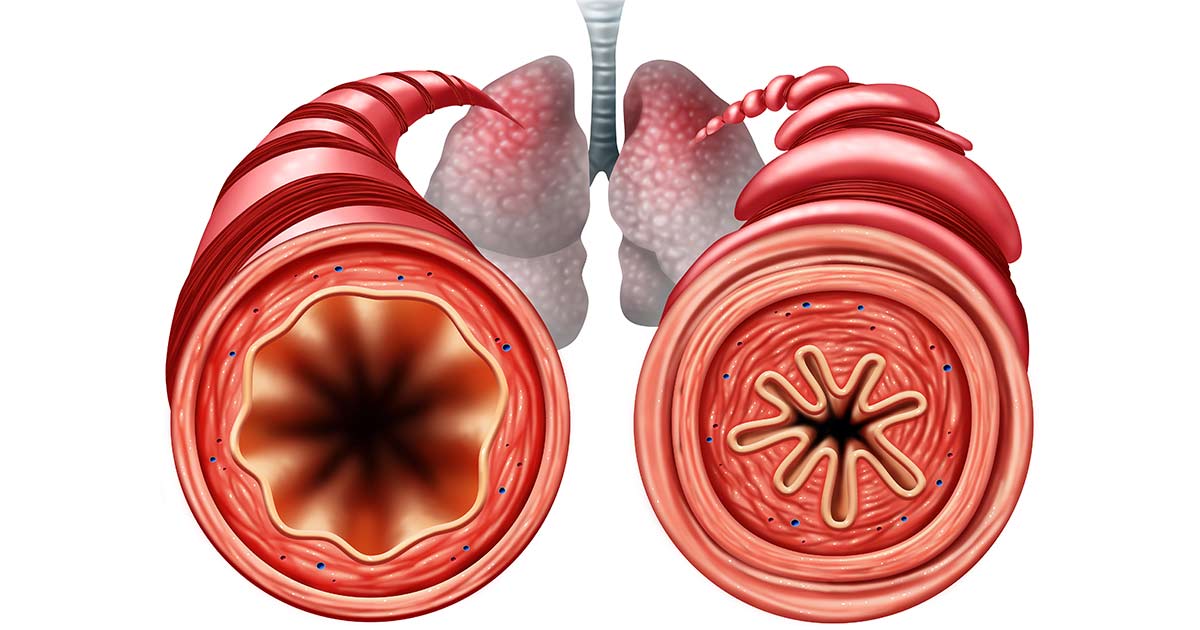
Housing policy may be a tool to reduce childhood asthma disparities, according to recent findings from the NIEHS-funded Mobility Asthma Project. Pollack conducts research at the intersection of housing and health to inform policies that help individuals and families live in safe and affordable homes. (Photo courtesy of Craig Pollack) As reported in May in…
-
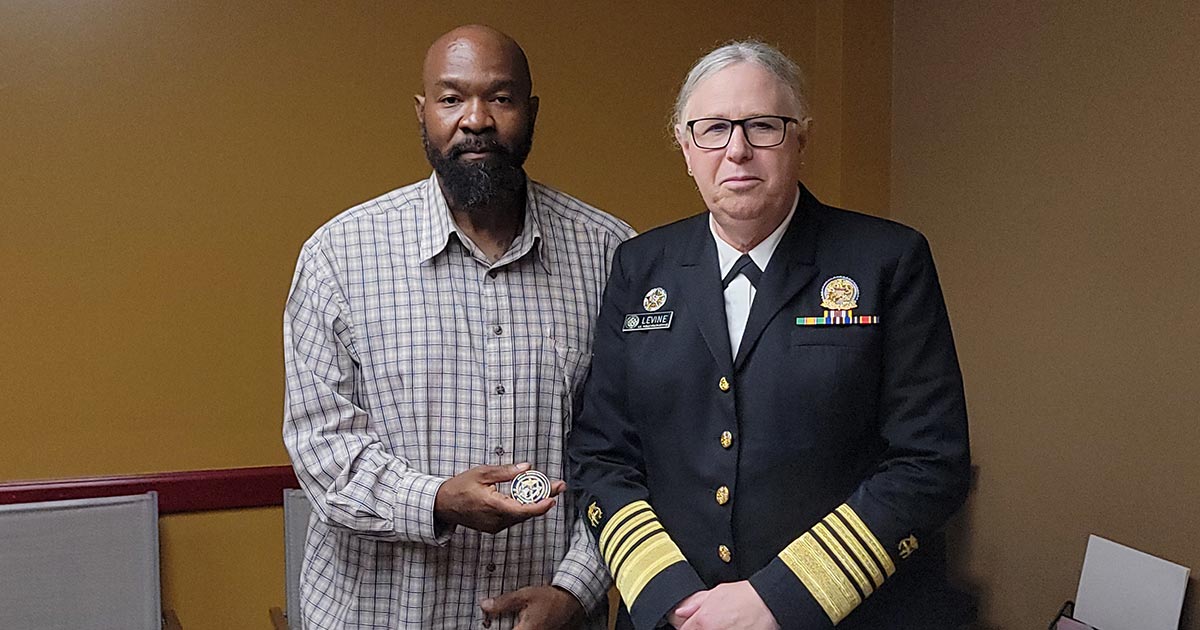
Admiral Rachel Levine, M.D., the Assistant Secretary for Health at the U.S. Department of Health and Human Services (HHS), highlighted the positive effects of the Environmental Career Worker Training Program (ECWTP) during a June 23 visit to St. Louis. “The Worker Training Program is a great model that can help support our economic future,” said…



