

Category: Wellness
-

In January, NIEHS welcomed two new tenure-track principal investigators to its ranks: Rajula Alleva Elango, Ph.D., and Julieta Lischinsky, Ph.D. Elango was recruited from a targeted search for the Genome Integrity and Structural Biology Laboratory. Lischinsky was selected as part of the NIH-wide Earl Stadtman program, which seeks to identify and recruit talent through a…
-
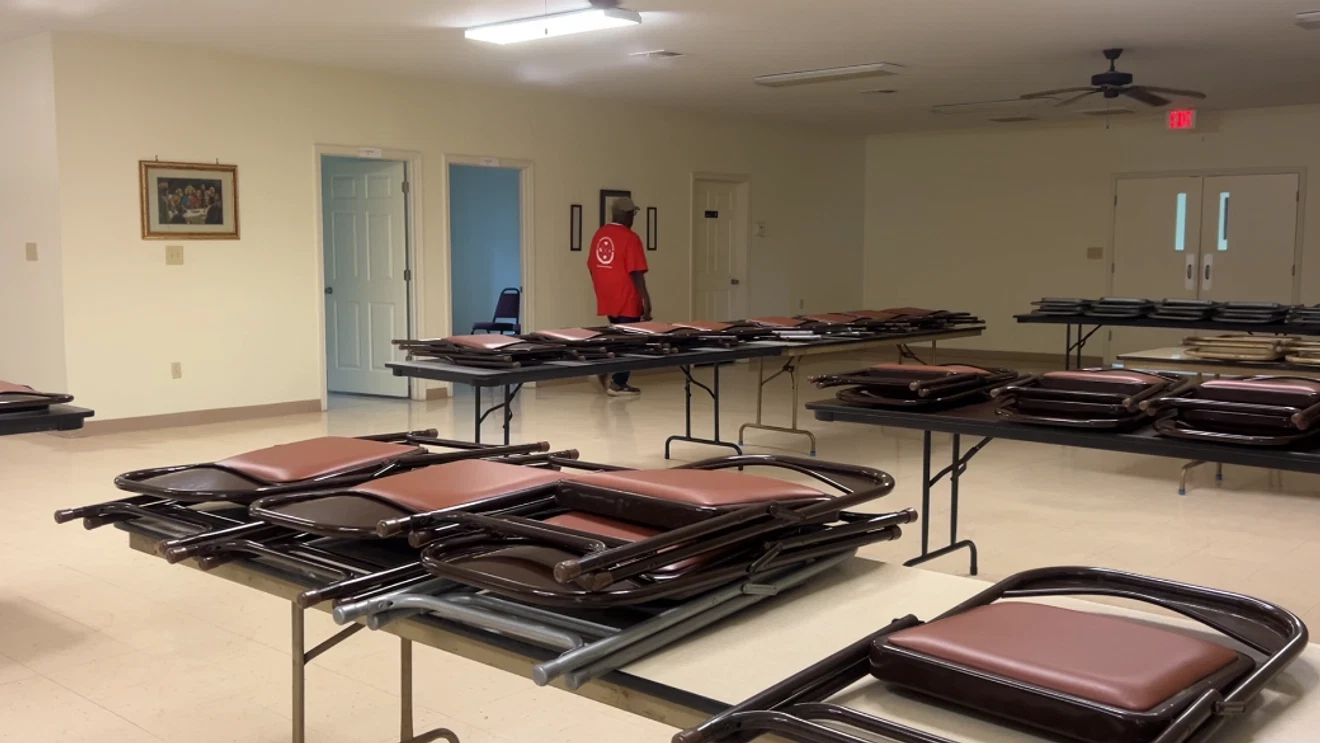
SPRINGFIELD, Ark. (KATV) — A new community project in Conway County aims to improve access to fresh food while creating a space for neighbors to connect and learn. The Rural America Economic Development Foundation (RAEDF) is developing a community campus on Highway 124 in Springfield that will include a community garden, gathering spaces and a…
-
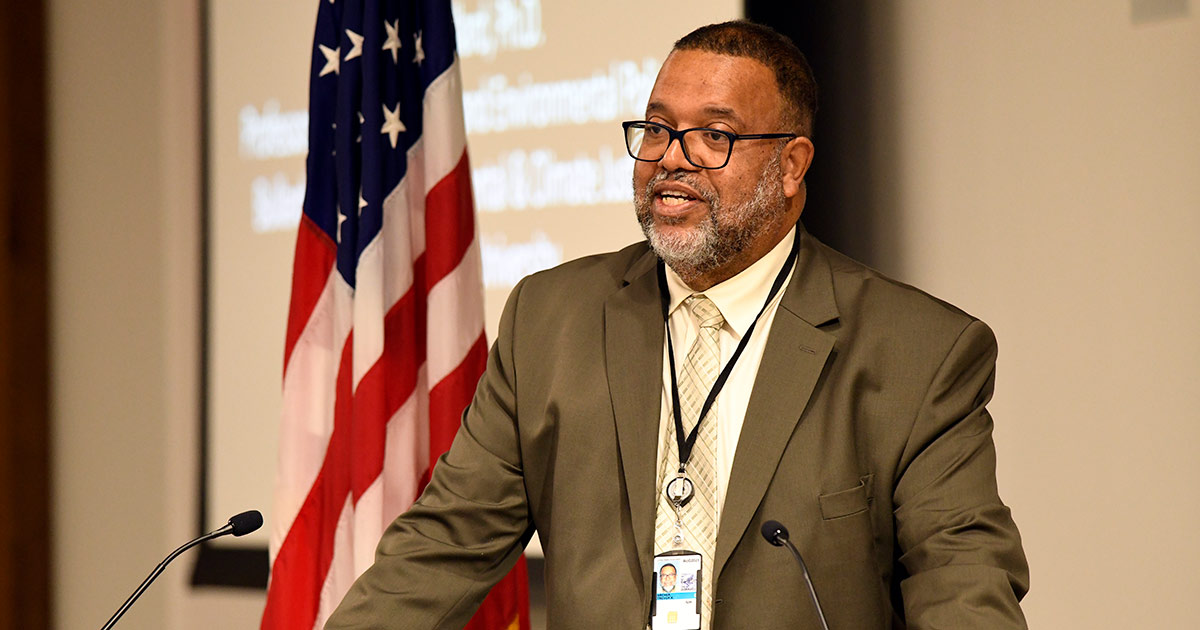
NIEHS initiatives to advance the study of DNA and RNA modifications linked to environmental insults headlined the recent National Advisory Environmental Health Sciences Council meeting. NIEHS Director Rick Woychik, Ph.D., together with institute leaders, scientists, and grant recipients, reported the latest research updates to the advisory board Feb. 12-13. They shared progress to guide the…
-

One of America’s most competitive gubernatorial races could settle a heated argument over whether private insurance companies should run Medicaid. The race is in Iowa, whose Medicaid program has been plagued with controversy since 2016, when the state hired national insurance companies to manage billions of dollars’ worth of benefits. That shift was made by…
-
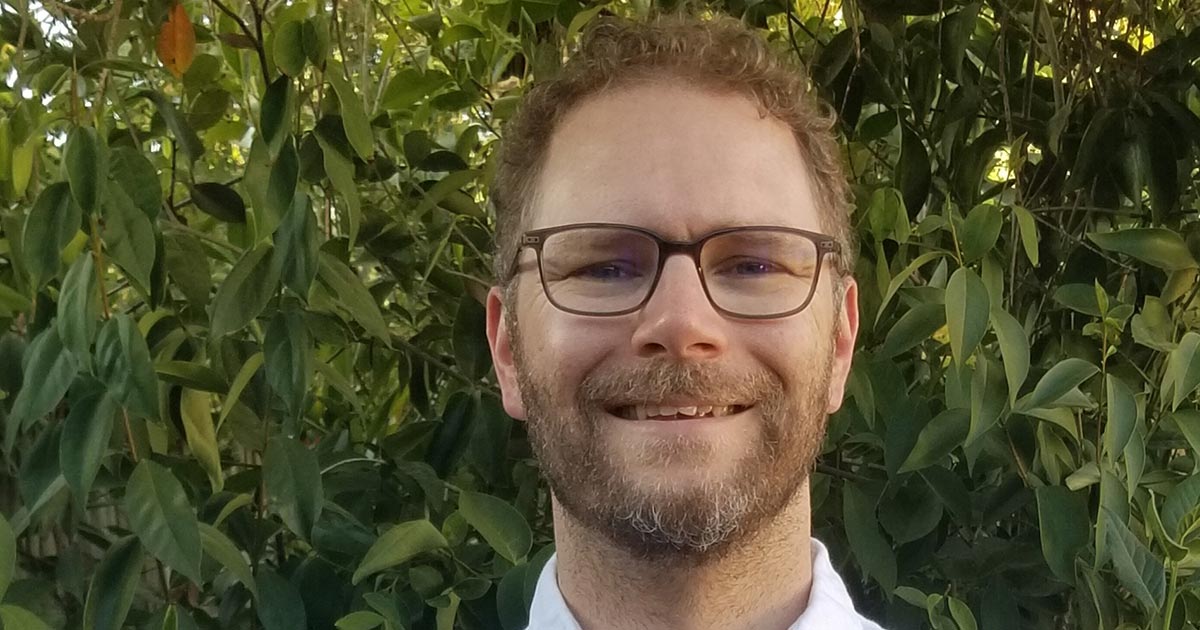
Spada has received seed and pilot grants supported by NIEHS to fund his work. (Image courtesy of Steph Spada.) Nicholas Spada, Ph.D., an aerosol scientist at the University of California, Davis (UC Davis), recently developed artificial intelligence (AI) technology to record the effects of passing coal trains on air quality. His team published findings showing…
-
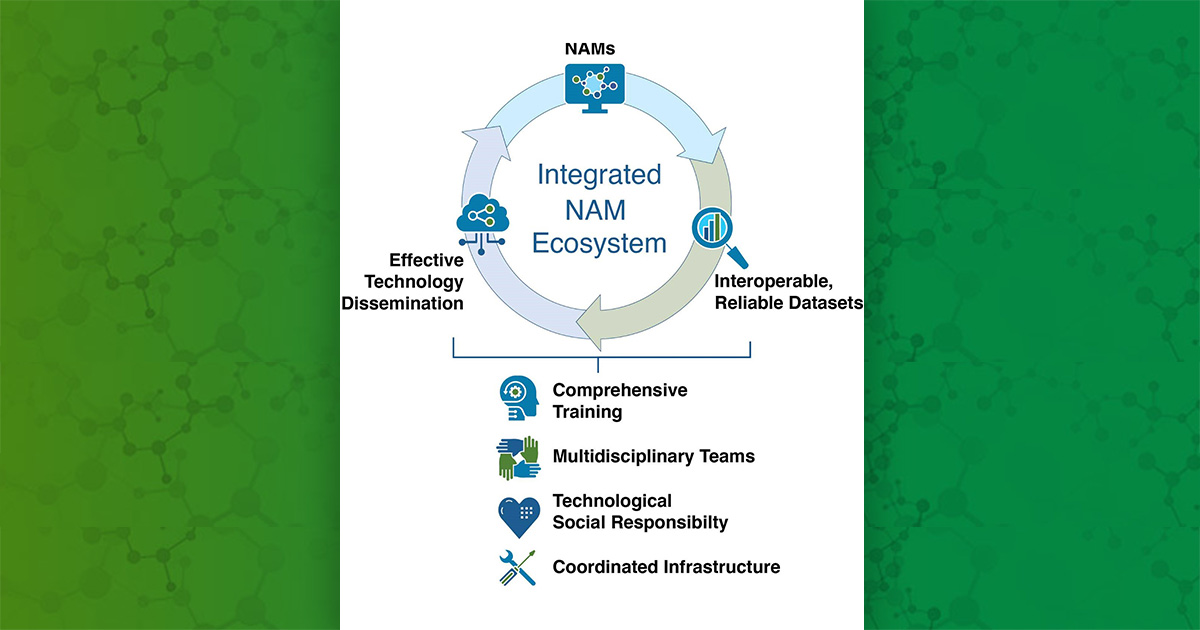
In a February 1 statement, National Institutes of Health (NIH) Director Monica Bertagnolli, M.D., accepted a working group’s recommendations on activities to advance development and use of non-animal methods in biomedical research. The statement highlighted the key role of an NIEHS office in advancing such methods, particularly with an eye toward validation and regulatory implementation.…
-
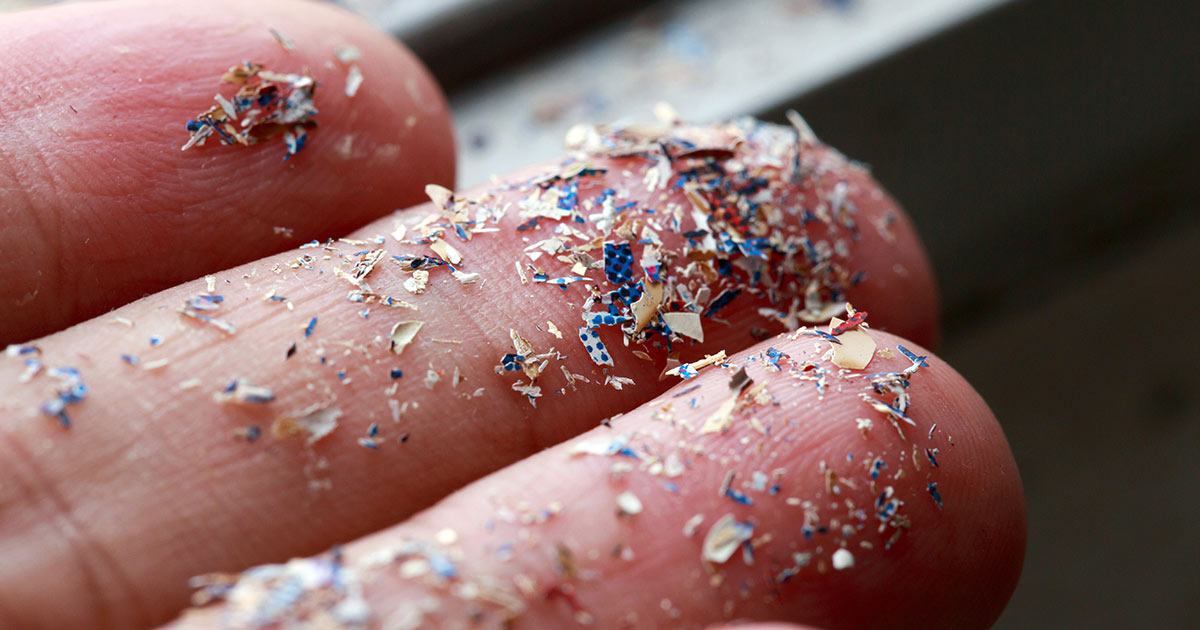
New research shows there is ten to 100 times more tiny plastic particles — called nanoplastics — in single-use bottled water than previously thought. In addition, recent evidence has demonstrated the presence of microplastics, which are larger than microscopic nanoplastics but smaller than 5 millimeters, in human lung, blood, and placenta tissues, as well as…
-

Rick Woychik, Ph.D., directs NIEHS and the National Toxicology Program. (Image courtesy of NIEHS) For this month’s column, I had the pleasure of sitting down with Dr. Heather Patisaul, who will take the reins as the new Scientific Director of the NIEHS Division of Translational Toxicology (DTT) on March 24. Our conversation delved into her…
-

NIEHS Director Rick Woychik, Ph.D., and other institute leaders traveled to India in January to build collaborations with researchers there who are working to combat the health effects of environmental exposures, such as poor air quality. During the two-week trip, Woychik and the NIEHS team attended the Indo-U.S. workshop focused on environmental public health as…
-

Overview The healthcare environment contains hazards such as bacteria, viruses, and chemicals that may be inhaled by personnel and cause injury or illness. Different types of respirators are designed to provide different levels of protection and to protect against different hazards. Professional judgment along with the type of airborne contaminant, its concentration, its potential to…



