

Category: Wellness
-
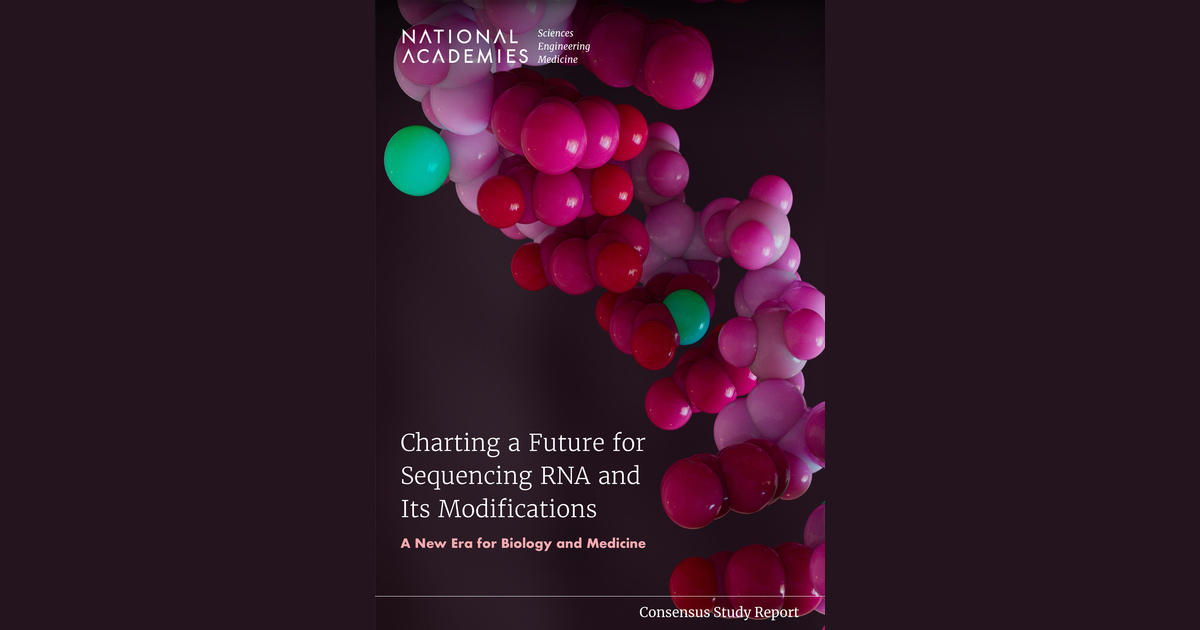
Research investments in ribonucleic acid (RNA) modifications led to the development of the COVID-19 vaccines, saving millions of lives worldwide and capturing the 2023 Nobel Prize in Physiology or Medicine. Now, NIEHS has co-sponsored a new report from a 16-member committee of the National Academies of Sciences, Engineering, and Medicine (NASEM) that reminds us of…
-
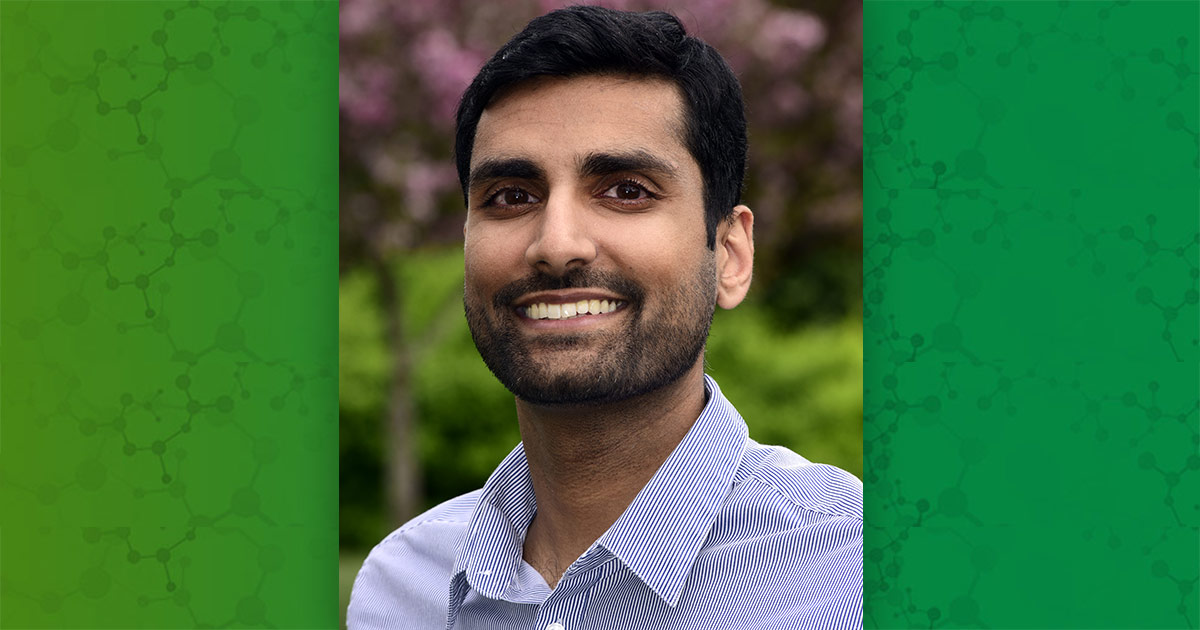
In February, Suril Mehta, Dr.P.H., a Division of Translational Toxicology environmental epidemiologist, completed a year-long detail at the White House Council on Environmental Quality (CEQ), where he helped develop regulations and policies related to air pollution, drinking water contamination, lead, ethylene oxide, PFAS, chemical accidents, and carcinogenic substances. During his tenure at CEQ, he also…
-

I recently sat down with Peter Kilmarx, M.D., acting director of the NIH Fogarty International Center (FIC), to discuss adaptation science, a critical yet often overlooked area in the broader conversation on climate change. As climate-related environmental challenges and extreme weather events continue to intensify, adaptation science — which is about understanding and implementing strategies…
-
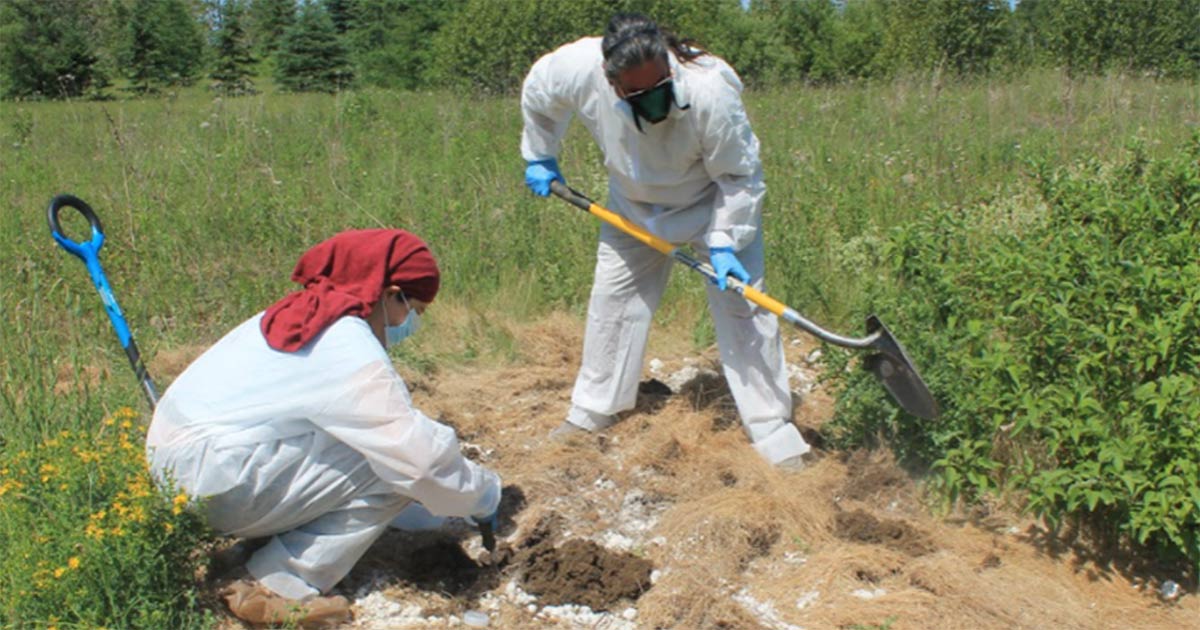
Scientists supported by the NIEHS Superfund Research Program (SRP) together with community and tribal members are using phytoremediation to remove PFAS from a contaminated site in northern Maine. Phytoremediation is a technique that takes advantage of plants’ ability to take up and accumulate hazardous substances from the environment. To boost the plants’ uptake of PFAS,…
-
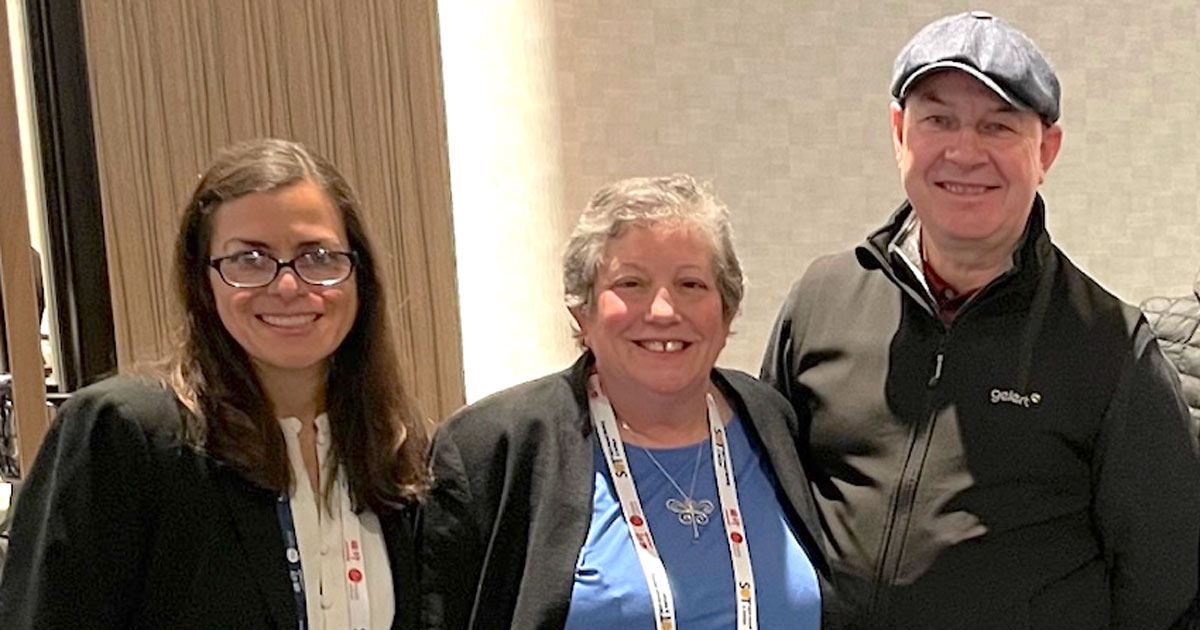
At the 63rd annual meeting of the Society of Toxicology (SOT) held March 10-14 in Salt Lake City, Utah, NIEHS scientists and staff presented cutting-edge research on artificial intelligence (AI), neurotoxicity testing, harmful algal blooms, and climate change’s influence on air quality, among many other topics. More than 5,000 toxicologists and professionals from the U.S.…
-

KFF Health News senior correspondent Julie Appleby discussed the affordability of Affordable Care Act health insurance plans on Connecticut Public’s The Wheelhouse on July 22. Céline Gounder, KFF Health News’ editor-at-large for public health, discussed tick bites on CBS’ CBS Mornings on July 20. She also discussed wildfire smoke and severe heat on CBS’ The…
-
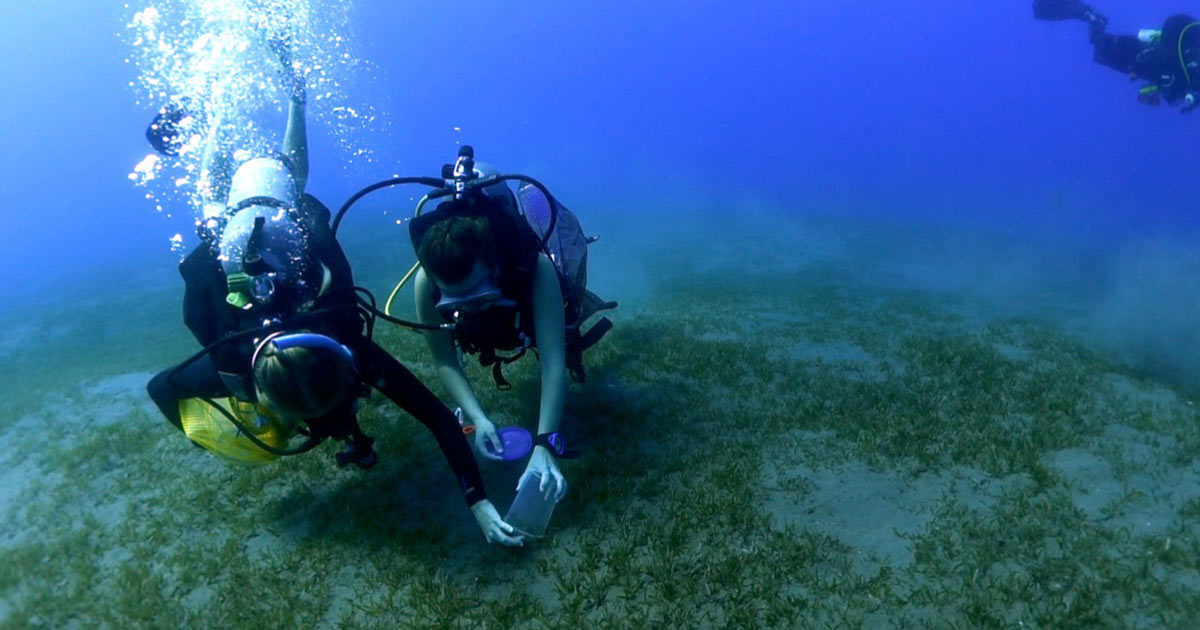
Ciguatera poisoning is the most common non-bacterial seafood-borne illness in the world. More than 50,000 cases are reported annually, but scientists think that the true numbers may be much higher, because the symptoms — vomiting, diarrhea, tingling, muscle weakness and pain, and tactile sensitivity to cold — can be easily mistaken for other seafood illnesses.…
-
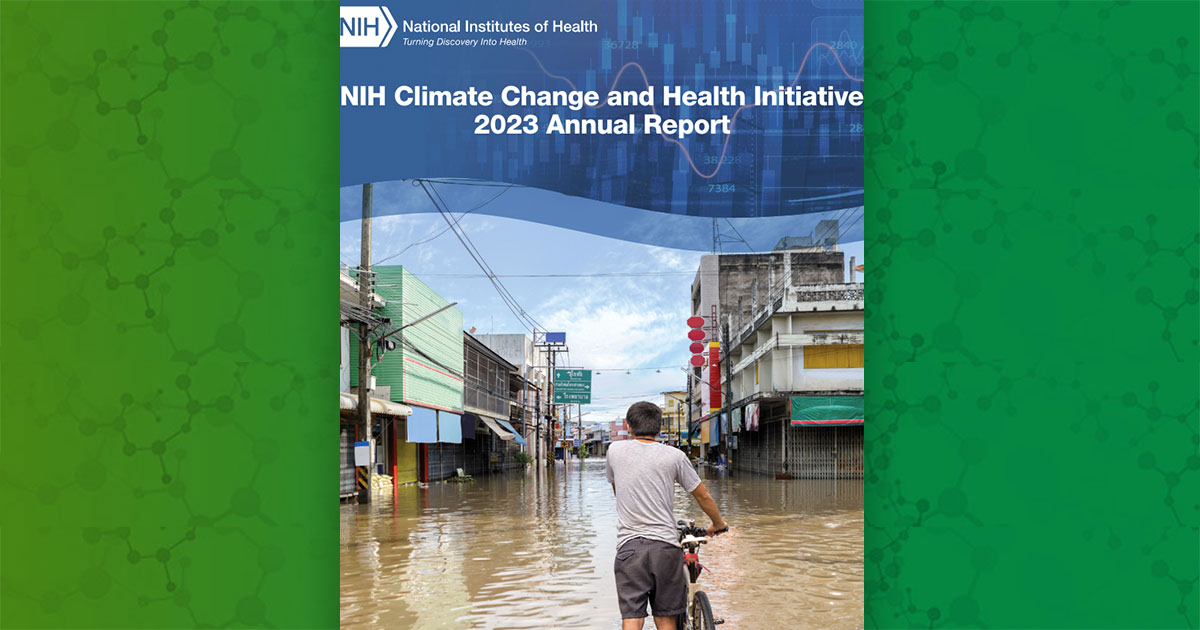
First annual report for NIH Climate Change and Health Initiative highlights progress (Image courtesy of NIH) NIEHS Director Rick Woychik, Ph.D., joined with other members of the National Institutes of Health Climate Change and Health Initiative (NIH CCHI) Executive Committee, and hundreds of people working across the NIH, to release the 2023 NIH CCHI annual…
-
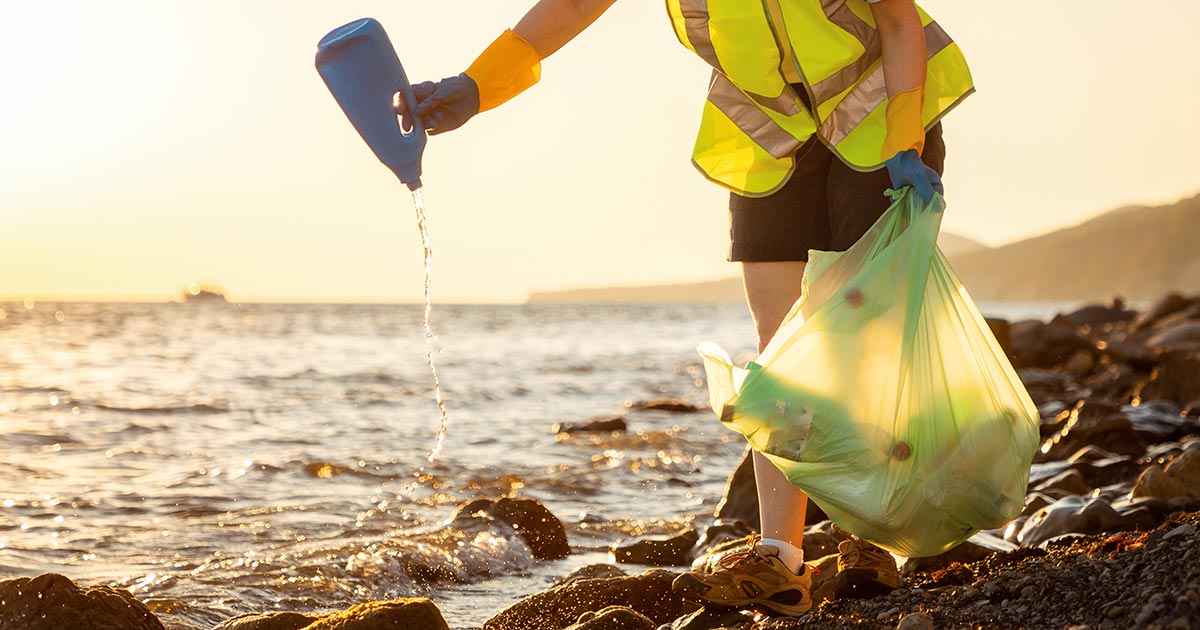
Millions of tons of small pieces of plastic, referred to as microplastics, are finding their way into the world’s oceans. These microplastics and other chemicals could affect human health. The NIEHS and the U.S. National Science Foundation (NSF) are jointly funding four new Centers for Oceans and Human Health and renewing two centers as part…
-
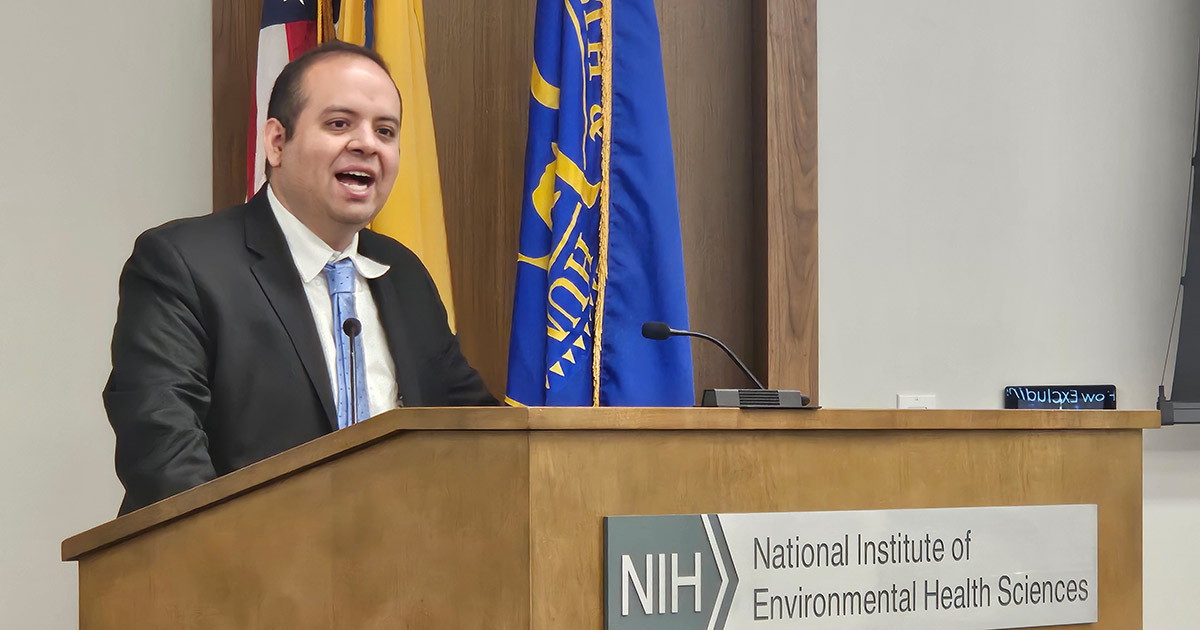
Engaging directly with individuals with autism is crucial to advancing scientific research, according to Eric Garcia, who spoke at NIEHS April 11 in recognition of National Autism Acceptance Month. Garcia is the author of “We’re Not Broken: Changing the Autism Conversation.” Autism, or autism spectrum disorder, is a broad range of complex conditions affecting communication…



