

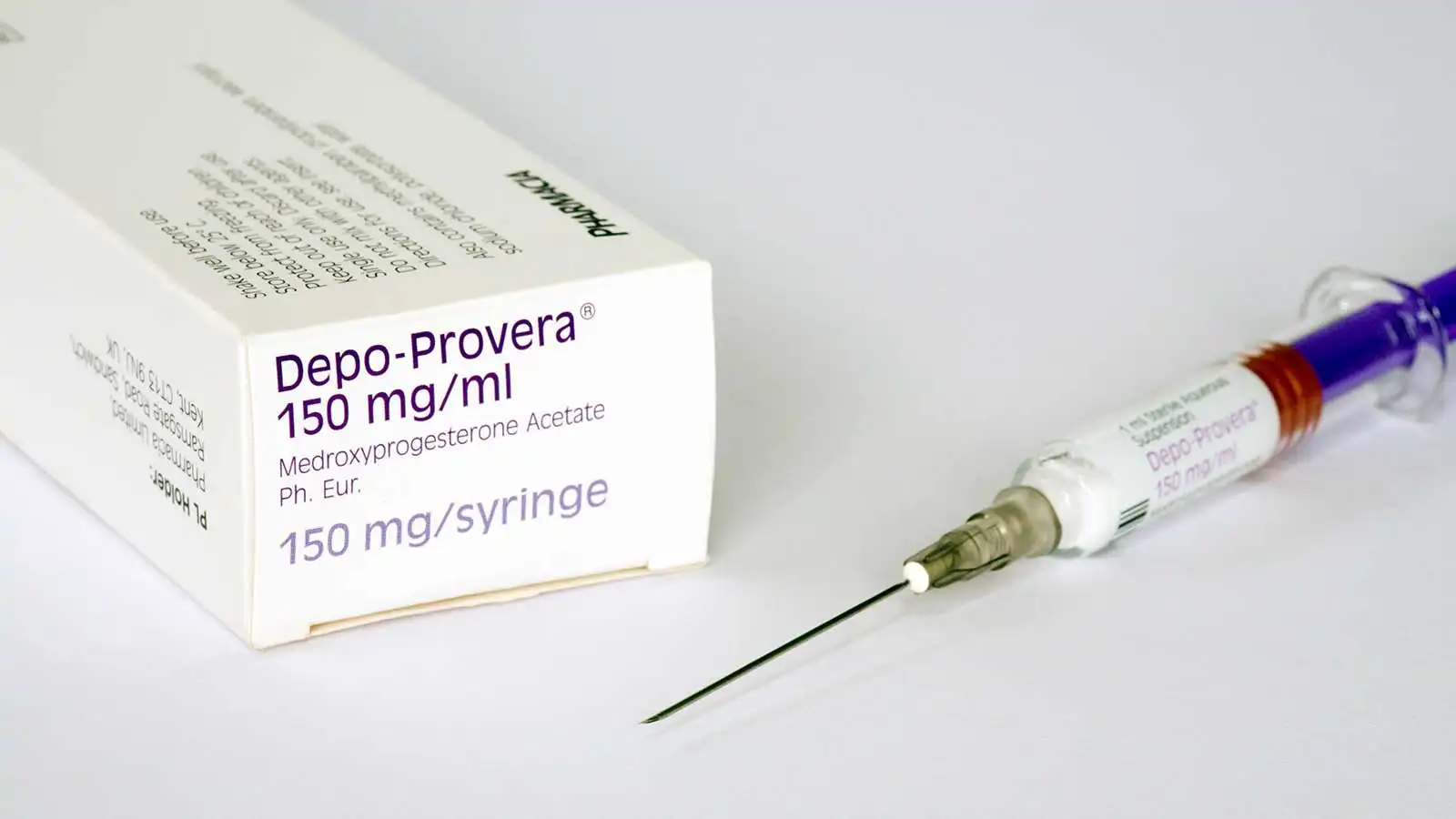
- Women using progestogen contraceptives had a significantly increased risk of meningioma, the most common type of benign brain tumor.
- Consistent with other recent studies, injectable medroxyprogesterone was associated with the highest risk.
- The study extended the association to oral contraceptives and IUDs.
Women who used progestogen contraceptives had a significantly increased risk of meningioma, including oral and injectable progestogen formulations and intrauterine devices (IUDs), a large Danish study showed.
Eight of the 12 progestogen formulations included in the analysis had statistically significant associations with meningioma. Among the eight contraceptive formulations, odds ratios for meningioma versus non-users of progestogens ranged from 40% higher for levonorgestrel to more than four times higher for injectable medroxyprogesterone. Progestogen use within the past year was associated with the highest meningioma risk.
The excess meningioma risk disappeared 5 years after discontinuation of a progestogen contraceptive, reported Charlotte Wessel Skovlund, PhD, of the Danish Medicines Agency in Copenhagen, and colleagues in JAMA Network Open.
“The numbers needed to harm differed greatly depending on the specific progestogen used and the age group, with the highest risk observed for the oldest women,” the authors stated. “Medroxyprogesterone showed the highest risk with relatively low numbers needed to harm, whereas all combined oral contraceptives, oral progestogen-only contraceptives, and IUDs had relatively high numbers needed to harm, especially among the youngest women. However, the present study suggests an increased risk of meningioma for several progestogens not previously associated with meningioma.”
The study reinforces previous research linking progestogens to meningioma, said Melanie Davies, MBBS, of University College London. Progestogens are widely used, not only in contraception but also gynecologic disorders and some types of hormone replacement therapy.
“It is important to state that meningioma remains a rare condition (affecting about one in 10,000 people) so that study should not put women off using progestogens, which are effective hormonal treatments for debilitating conditions and suit many women who require contraception,” Davies, who was not involved in the study, said in a statement from the Science Media Centre.
The study adds to and extends a large volume of evidence linking progestogens to meningioma. Over the past 5 years, multiple studies have shown significant associations between the contraceptives and the most common type of benign brain tumor, particularly injectable medroxyprogesterone.
- A French study involving 18,000 women undergoing intracranial surgery showed a 19-fold greater risk of meningioma among users of cyproterone acetate, which is not available in the U.S. An earlier study from France involving 250,000 women showed a sixfold greater risk of meningioma associated with the contraceptive.
- A U.S.-based study involving almost 90,000 women showed a meningioma relative risk of 2.43 with depot medroxyprogesterone versus non-users. The risk increased modestly to 1.18 among users of oral medroxyprogesterone acetate.
- Earlier this year, Swedish investigators reported a 76% higher odds for meningioma among users of hormonal contraceptives in general, driven by a fivefold increase with depot medroxyprogesterone. The odds declined to 1.34 for other progesterone contraceptives.
Late last year, the FDA approved a label change for depot medroxyprogesterone, adding a warning about meningioma risk. Additionally, the American College of Obstetricians and Gynecologists has published patient education and counseling information about the link between progestogen contraceptives and meningioma and advised its members to engage in shared decision-making discussions about contraceptive choices. The European Medicines Agency has assessed meningioma risk for various progestogen contraceptives and approved updated product information for cyproterone, nomegestrol, chlormadinone, and medroxyprogesterone, Skovlund and colleagues stated.
Evidence supporting the biological plausibility of the association comes from observation of progesterone receptors in up to 87% of all meningiomas. Multiple observational studies have described tumor growth during pregnancy in association with exogenous progesterone, followed by tumor regression after delivery or withdrawal of the hormonal treatment, the authors noted.
The Danish researchers continued the investigation with a case-control study covering the years 2000 to 2024. Using data from Danish national registries, they identified women with meningioma diagnoses and matched each case with 10 control patients without meningioma. Investigators then compared contraceptive use between the cases and control group. Data analysis included 1,473 women with meningioma and a control group of 14,717 women without meningioma.
The results showed a consistent pattern of increased risk of meningioma associated with use of progestogen contraceptives. Statistically significant odds ratios for meningioma emerged for:
- Injectable medroxyprogesterone: OR 4.55 (95% CI 2.19-9.45)
- Oral desogestrel: OR 1.73 (95% CI 1.17-2.56)
- Desogestrel-ethinyl estradiol: OR 1.66 (95% CI 1.31-2.10)
- Cyproterone: OR 1.61 (95% CI 1.00-2.59)
- Drospirenone: OR 1.58 (95% CI 1.05-2.37)
- High-dose levonorgestrel IUD: OR 1.58 (95% CI 1.28-1.94)
- Gestodene: OR 1.44 (95% CI 1.17-1.77)
- Levonorgestrel: OR 1.40 (95% CI 1.12-1.76)
The analysis yielded nonsignificant associations for norethisterone combination (OR 1.38, 95% CI 0.77-2.47), low-dose levonorgestrel IUD (OR 1.14, 95% CI 0.59-2.22), norgestimate (OR 1.04, 95% CI 0.70-1.54), and norethisterone (OR 0.95, 95% CI 0.57-1.57).
Correction: A previous version of this story said the use of progestogen contraceptives was linked to a risk of brain cancer; meningiomas are benign brain tumors.




Leave a Reply