

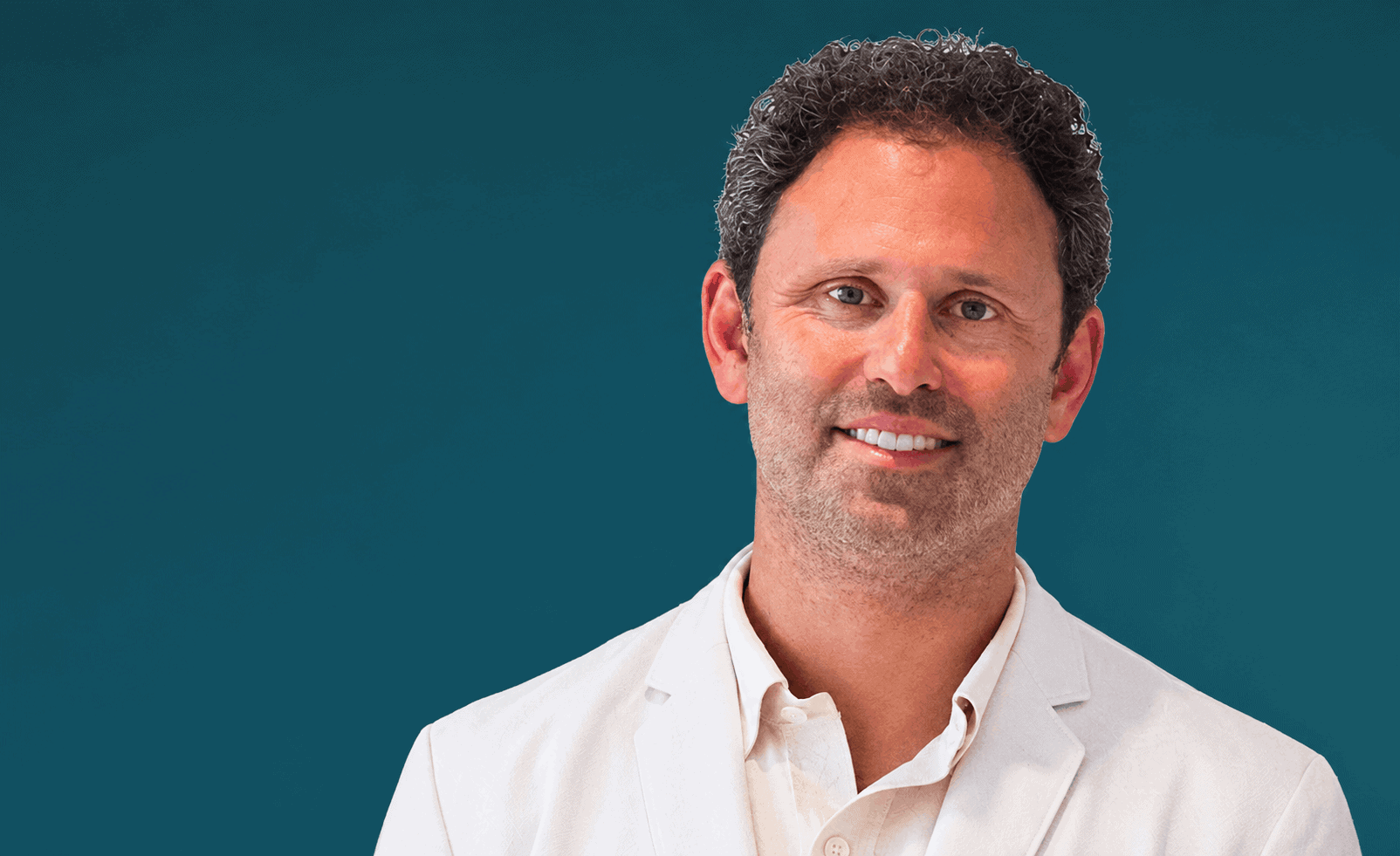
Written by: Dr. Alex Rubinov
In modern aesthetic dentistry, achieving a brighter smile involves far more than selecting a whitening agent and measuring a change on the shade guide. As patient expectations continue to evolve, clinicians must consider not only the desired shade but also the health of the dentition, existing restorations, sensitivity and long-term maintenance. While patients may measure success by recognizing a whiter shade to their teeth, a truly successful outcome is not only personalized but clinically appropriate for the patient’s natural smile.
Aesthetic treatment planning must consider both the patient’s teeth and their day-to-day habits. My approach begins with listening to patients, understanding what they like or dislike about their smile and identifying what they ultimately hope to achieve. A patient may come in requesting whitening, but the underlying discoloration, existing restorations or structural characteristics of their teeth may limit what whitening alone can accomplish.
A comprehensive assessment includes evaluating the patient’s baseline shade, distinguishing intrinsic from extrinsic discoloration, identifying existing restorations and assessing enamel integrity and sensitivity. These findings provide treatment guidance, particularly when definitive restorations such as porcelain veneers are planned.
In my practice, we frequently combine clear aligner therapy, whitening and selective restorative procedures such as porcelain veneers to achieve a natural looking result. After improving alignment, whitening enhances the natural dentition. If concerns about tooth shape or proportions remain, composite bonding or veneers may be considered. In many cases, alignment and whitening alone can deliver the desired improvement without additional cosmetic intervention. When restorations such as porcelain veneers are necessary, allowing the whitened shade to stabilize before definitive shade matching is essential.
The goal should never be to simply create the whitest or most “perfect” smile, but rather one that complements the patient’s facial features, natural tooth characteristics and individual aesthetic goals.
Patients sometimes arrive with expectations influenced by social media photos they’ve seen or celebrities they admire, which in some cases consist of very white smiles. However, natural tooth color varies considerably. Yellow-toned discoloration may respond differently than teeth that have a gray hue, fluorosis, or areas of hypomineralization. Existing composite, porcelain veneers or crowns don’t respond to whitening and may need to be redone if the shade was matched prior to teeth whitening.
Setting realistic expectations begins with helping patients understand these limitations and recognizing that the highest peroxide concentration does not necessarily produce the best outcome.
Professional whitening systems such as Philips Zoom! WhiteSpeed, DayWhite and NiteWhite provide both in-office and dentist-supervised take-home approaches.
Whitening should not be viewed as a permanent result but as part of an ongoing aesthetic maintenance strategy. Immediately following treatment, teeth may appear temporarily lighter due to dehydration, with the shade changing as the teeth rehydrate and stabilize.
Communicating this process is important for patient expectations and cosmetic or restorative shade planning.
For patients looking for a quick, instantly noticeable change in tooth shade, in-office whitening with Philips Zoom! WhiteSpeed is an option I often recommend. The treatment is performed chairside in a single visit under direct supervision, with careful protection of the gums and surrounding soft tissues. The degree of whitening varies based on each patient’s starting shade and individual response. A customized take-home whitening kit may also be recommended to help maintain the result over time.
Long-term shade stability is influenced by dietary habits, tobacco exposure, oral hygiene and individual susceptibility to staining. Regular preventive care and patient education play an important role in preserving results.
Philips Zoom! DayWhite and NiteWhite offer different formulations and wear-time protocols, allowing clinicians to tailor recommendations to each patient’s needs. Research involving relief amorphous calcium phosphate (RACP) in whitening gels has also demonstrated improved shade maintenance compared with certain formulations without RACP. In tooth whitening, RACP is an ingredient added to certain whitening gels to help improve tooth surface smoothness and luster.
Rather than prescribing a universal maintenance schedule, I prefer reassessing each patient’s shade stability, lifestyle, sensitivity and aesthetic goals before recommending a specific whitening solution.
I believe successful cosmetic dentistry should enhance what is naturally beautiful about a patient’s smile rather than create an artificial sense of perfection. Our responsibility is to educate patients about what is possible, explain their options and help them make informed decisions that balance aesthetics, function and long-term oral health.
Every clinician may have access to similar products, materials, and technologies, but how those tools are selected and utilized makes a meaningful difference in the outcome. There is no one-size-fits-all approach to aesthetic dentistry, including whitening.
Ultimately, going beyond the shade guide means recognizing that successful whitening is not defined by achieving the lightest possible shade. It is defined by thoughtful clinical decisions, individualized treatment planning, realistic expectations and results that patients can confidently maintain.
Explore whitening options that meet all these criteria by visiting https://www.usa.philips.com/professionals/dental/whitening.




Leave a Reply