

Category: Resources
-

Introduction The Drug-Free Communities (DFC) Support Program is the nation’s leading effort to mobilize communities to prevent youth substance use. The Drug Free Dickson Coalition (DFDC) received DFC funding in September 2021, strengthening its capacity to implement comprehensive, evidence-based prevention strategies in a rural setting. Since receiving funding, DFDC has expanded school-based programming, increased youth…
-
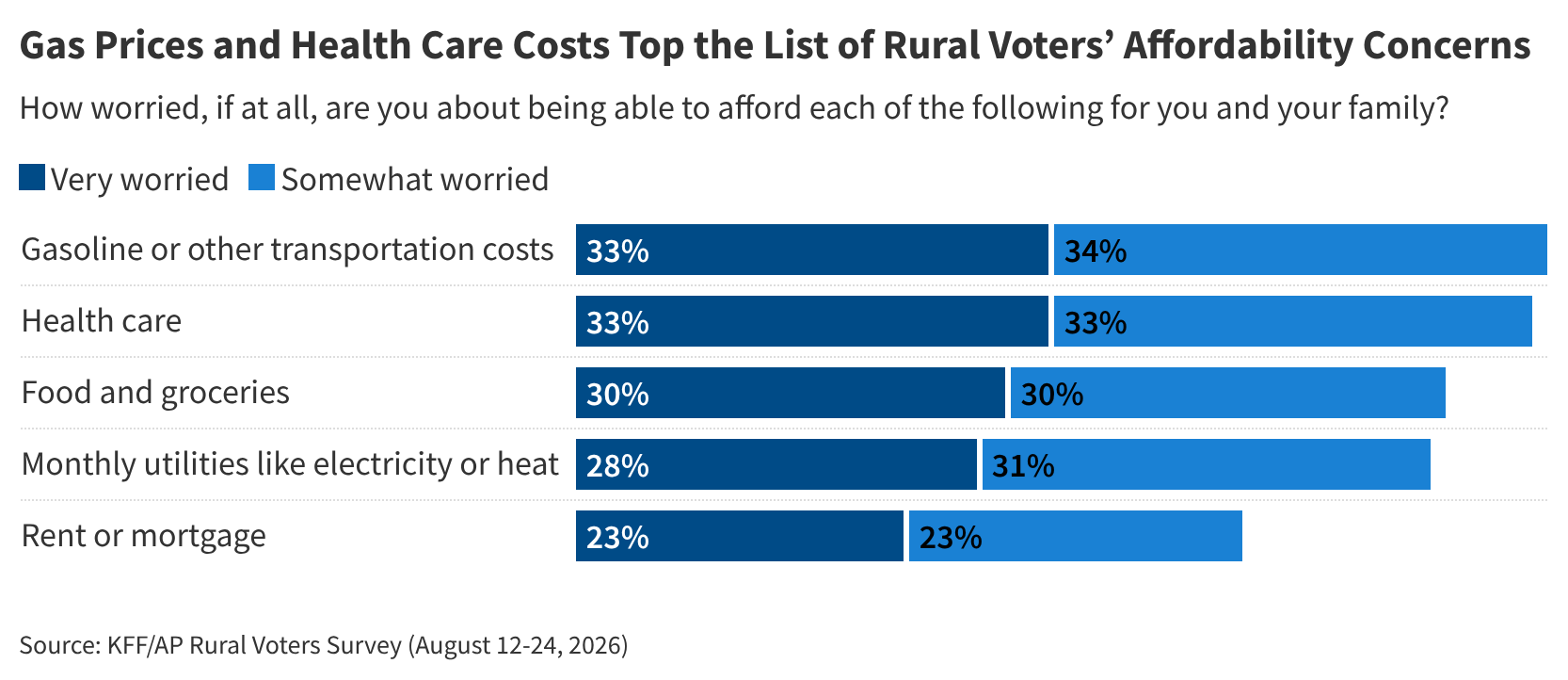
Rural voters’ frustrations about the cost of living in their community are growing and appear to be chipping away at Republicans’ enthusiasm to vote as the midterm elections near, a new KFF/Associated Press (AP) Survey of Rural Voters finds. The survey of more than 2,000 rural voters probes the views and experiences of a group…
-

The United States spends $29 billion annually on graduate medical education (GME) yet the nation faces persistent shortages of primary care physicians (PCPs). Despite repeated calls to make GME spending more accountable and aligned with population health needs, PCPs comprise a shrinking proportion of the physician workforce. The result is longer wait times for appointments,…
-

What GAO Found As part of the federal government’s efforts to support Tribes and tribal members’ health and to help prevent disease, an Indian Health Service (IHS) program provides Tribes with technical and financial assistance to build drinking water and wastewater infrastructure in tribal communities. Through this program, IHS staff work closely with Tribes to…
-

Overview What Are Shin Splints? Shin splints are pain on the inner part of the shinbone. They’re usually brought on by running or another high-impact activity. Shin splints, also called medial tibial stress syndrome (MTSS), get better with rest and don’t cause lasting problems. Top Things to Know Shin splints are a kind of injury…
-

Interactive dashboard displaying funding awarded under the Arkansas Rural Health Transformation Program (RHTP) to sub-grantees by initiative, recipient, and funded project. Includes summaries of project descriptions. — Arkansas Center for Health Improvement
-

Abstract Introduction: In decentralized public health systems, rural public health departments have fewer economic resources and higher needs for public health programs and services. This case study describes the evolution of a rural district health department’s community and academic partnerships across three phases. Throughout this process, partnerships grounded in community engagement informed the local public…
-

Pillar 2: Promote Sustainable Access & Innovative Care Rural Health Connectivity Program CRISP 6/30/2026 First-come, first-serve basis, subject to the availability of funds. Information Session: Tuesday, July 21; 12:00 p.m. Click here to register. Pillar 1: Transform the Rural Health Workforce Maryland Healthcare Workforce Data Clearinghouse: Phase 1 Requirements Analysis and Future Planning MDH – Office…
-
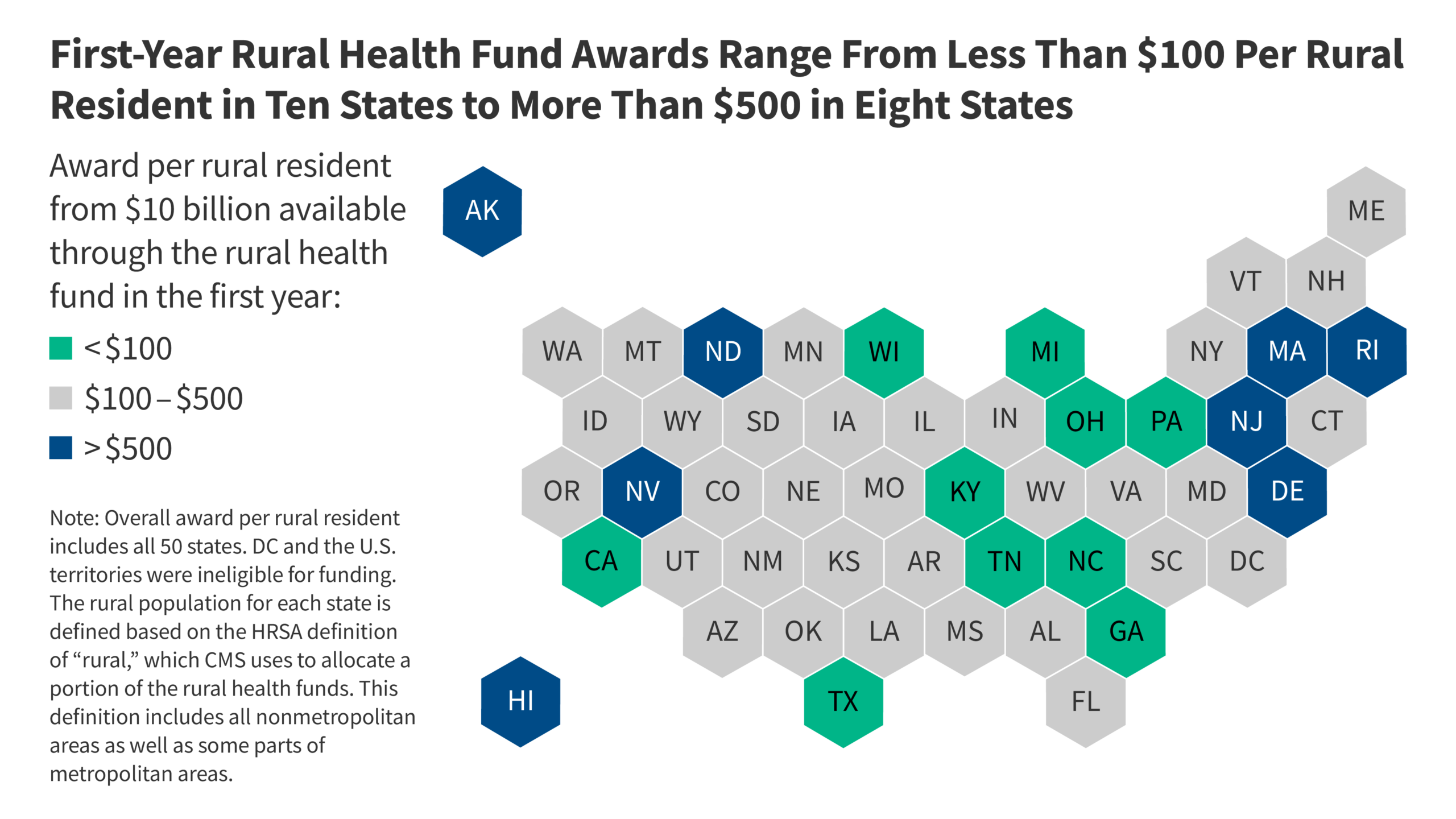
Structure The rural health fund will provide $50 billion in grants to states over five years. The rural health fund was added to the 2025 reconciliation law as a political compromise just prior to the law’s passage. The fund emerged during Senate negotiations in response to concerns about the impact of federal spending cuts on…
-

When a doctor makes a diagnosis, many people expect proof. Migraine doesn’t offer that. Yet the diagnosis can still be definitive — just not in the way you might expect, says neurologist Dr. Paul Rizzoli, clinical director of the Graham Headache Center at Harvard-affiliated Brigham and Women’s/Faulkner Hospital. Nearly 16% of Americans are affected by…



