

Category: Resources
-
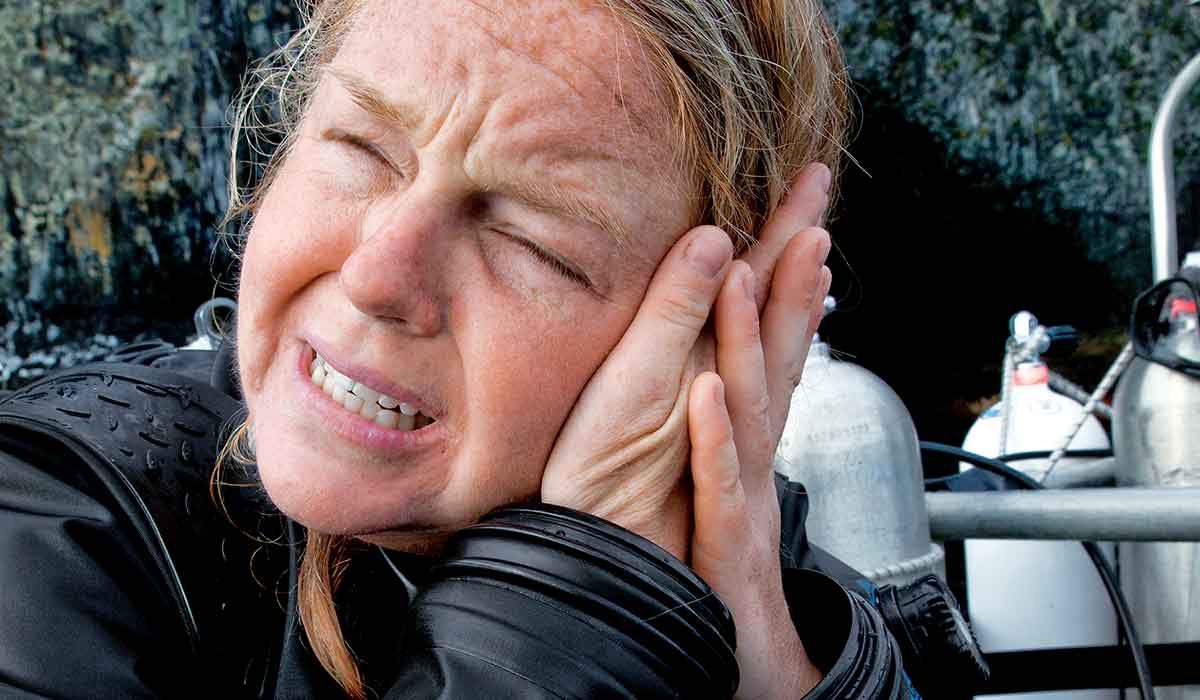
Barotrauma is a term used to describe pressure-related tissue injuries to the human body. A person may experience barotrauma when pressure changes in the surrounding environment cause air in the body to expand or contract in a manner that damages the surrounding tissue. Scuba divers must be particularly mindful of the risk of barotrauma because…
-
Save the Children created the Rural Child Well-Being dashboards to answer the question: how are children in Rural America doing? They do so by applying the Health Resources and Service Administration’s (HRSA) rural definition to publicly available data on a wide range of child well-being- topics. Unlike some commonly used rural definitions, which distinguish rural…
-

Recording of a September 3, 2026, webinar providing an overview of traditional Medicare billing guidelines for Rural Health Clinics. Part of the Rural Health Clinic Technical Assistance Series. — National Association of Rural Health Clinics
-
Use the interactive dashboard to explore estimated travel time and distance for childbirth across Virginia. Filter by geography, year, health insurance type, delivery type, maternal demographics, risk indicators and hospital characteristics to better understand differences in geographic access to delivery services.
-

Publication Date: May 2026 Alaska Native communities face some of the highest rates of behavioral health challenges in the nation—including PTSD, substance misuse, and suicide—driven by historical trauma, geographic isolation, and limited access to culturally appropriate care. This SAMHSA advisory explores innovative, community-led strategies to close these gaps and improve well-being to include the use…
-
Overview What Is Albinism? Albinism (AL-beh-niz-im) is an inherited condition that leads to someone having very light skin, hair, and eyes. It happens because a person has less melanin than usual in their body. Melanin gives skin, hair, and eyes their color. Except for vision problems, most people with albinism are just as healthy as anyone…
-
Larger text size Large text size Regular text size Overview What Is Acanthosis Nigricans? Acanthosis nigricans (ah-kan-THO-sis NY-gruh-kans) is a skin condition. It causes thicker and darker patches or streaks, usually in skin creases and folds, such as the sides and back of the neck, armpits, elbow pits, and groin. But it can show up…
-
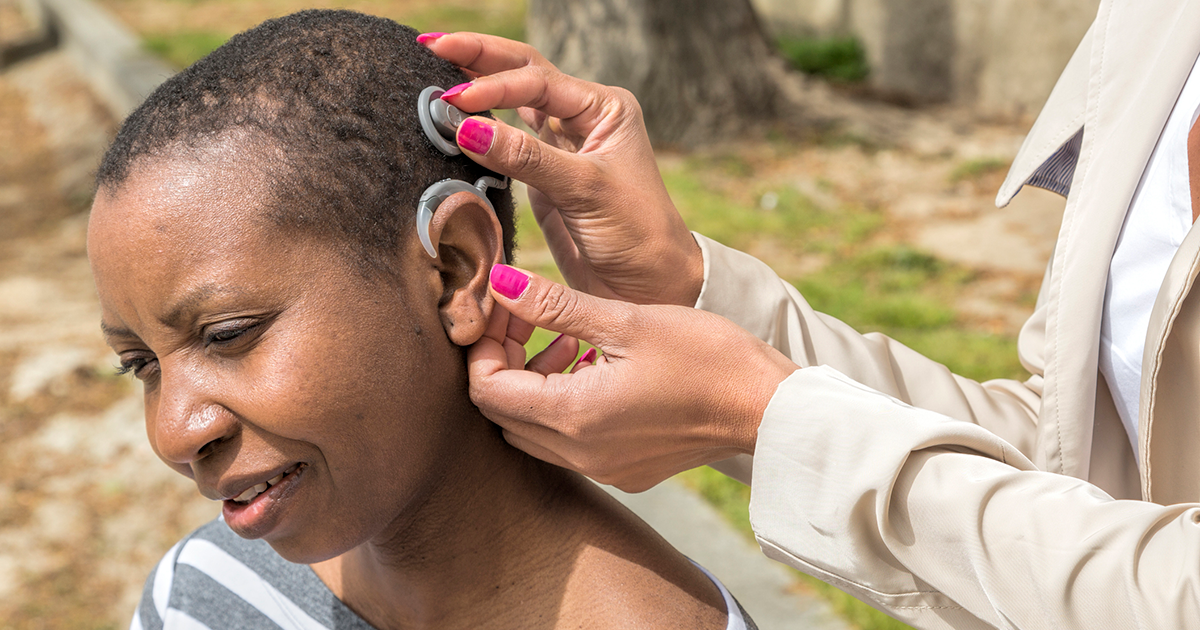
It’s not always possible to prevent hearing loss as we age. In fact, by the time we hit our 70s, an estimated two-thirds of us will have developed a type of hearing loss known as presbycusis.1 Still, it is possible to treat it. And there are many convincing reasons why we should. “Hearing well is…
-

Explains how Medicare Advantage plans affect healthcare delivery, Medicare enrollment, and payment practices in Arkansas. Includes discussion of reimbursement challenges in rural hospitals. — Arkansas Center for Health Improvement
-
Anthrax and bioterrorism Bioterrorism involves intentionally releasing viruses, bacteria, or toxins to harm people, livestock, or crops. Bacillus anthracis, the bacteria that causes anthrax, may be used in a bioterrorist attack. We don’t know if or when another anthrax attack might occur. However, federal agencies, along with health departments across the country, are actively preparing…



