

Category: Wellness
-
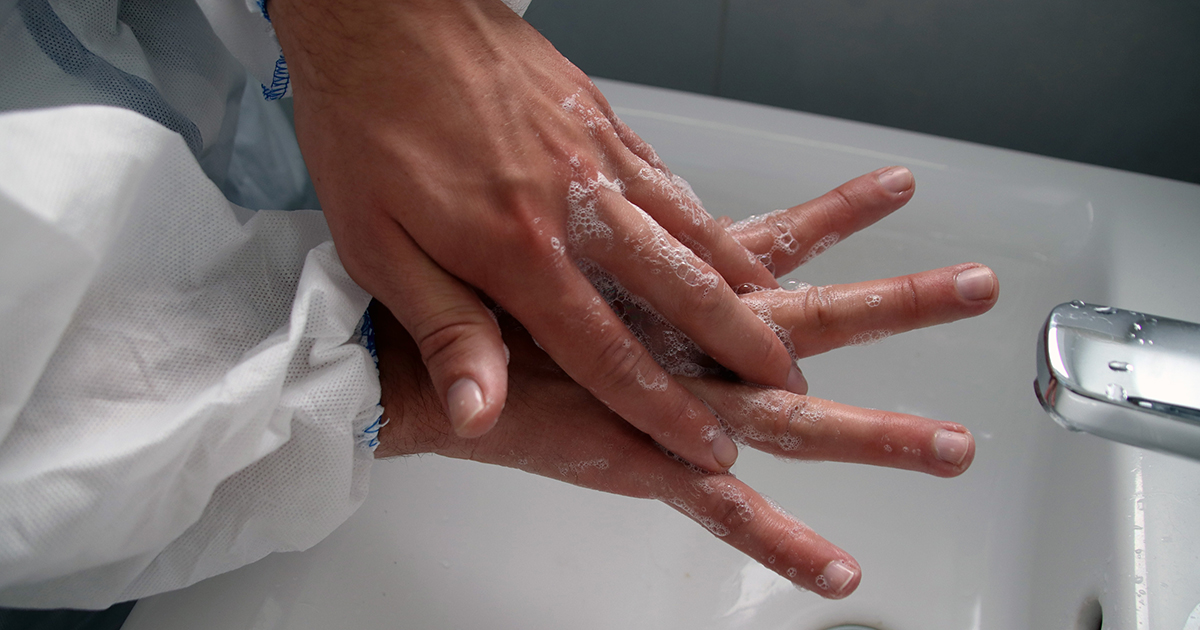
Researchers at the University of California (UC), San Diego found evidence that newborn mice can be exposed to triclosan during lactation, resulting in significant fat build up in their liver — an early sign of liver damage. The study was supported in part by the NIEHS Superfund Research Program (SRP) and by an NIEHS Exploratory/Developmental Research Grant.…
-

IntramuralBy Janelle Weaver Rat oral toxicity studies can produce inconsistent results The reproducibility of studies that evaluate rodent oral toxicity resulting from short-term chemical exposure is lower than expected, according to researchers from the NIEHS Division of the National Toxicology Program. Regulatory agencies currently rely on oral toxicity data in rodents to determine hazard categorization,…
-
ExtramuralBy Julie Leibach Exposure to harmful algal bloom toxin alters gut microbiome, antibiotic resistance Exposure to microcystin — a toxin commonly released during harmful algal blooms — can change the gut’s collection of microorganisms, or microbiome, and the associated abundance of antibiotic resistance genes, according to an NIEHS-funded study in mice. Harmful algal blooms occur…
-
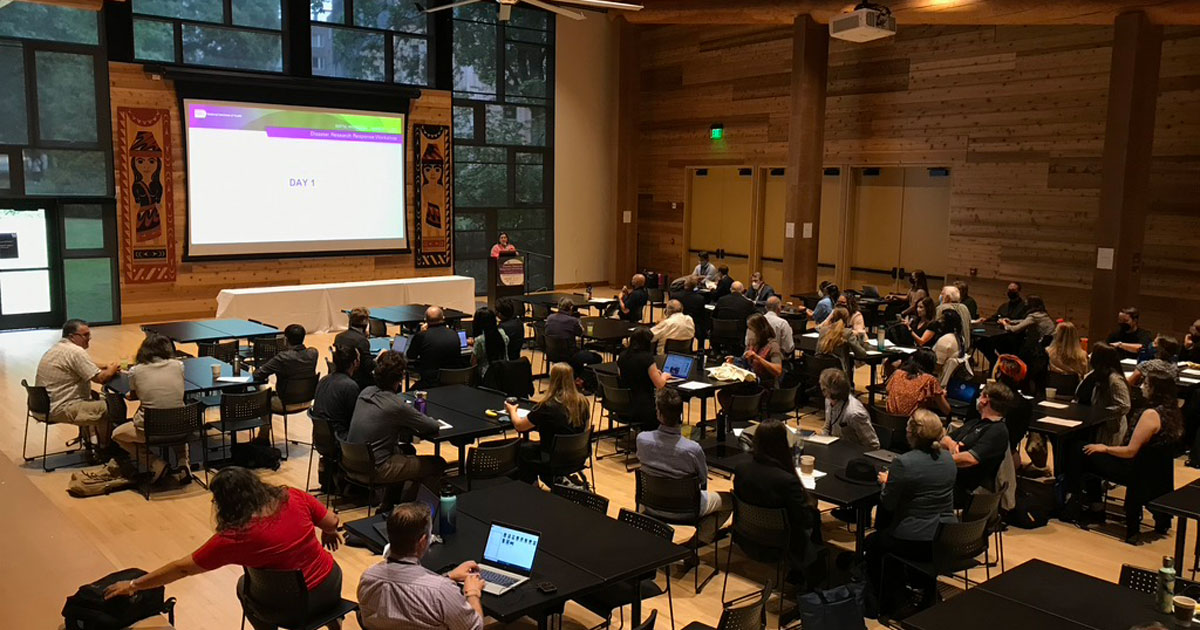
The University of Washington (UW) hosted the 2022 Disaster Research Response (DR2) workshop in Seattle, Aug. 9-11, sponsored in part by NIEHS. Representatives from academia, the private sector, Pacific Northwest tribes, and community-based groups — as well as government personnel across local, state, and federal levels — gathered at UW to examine regional capacity to…
-
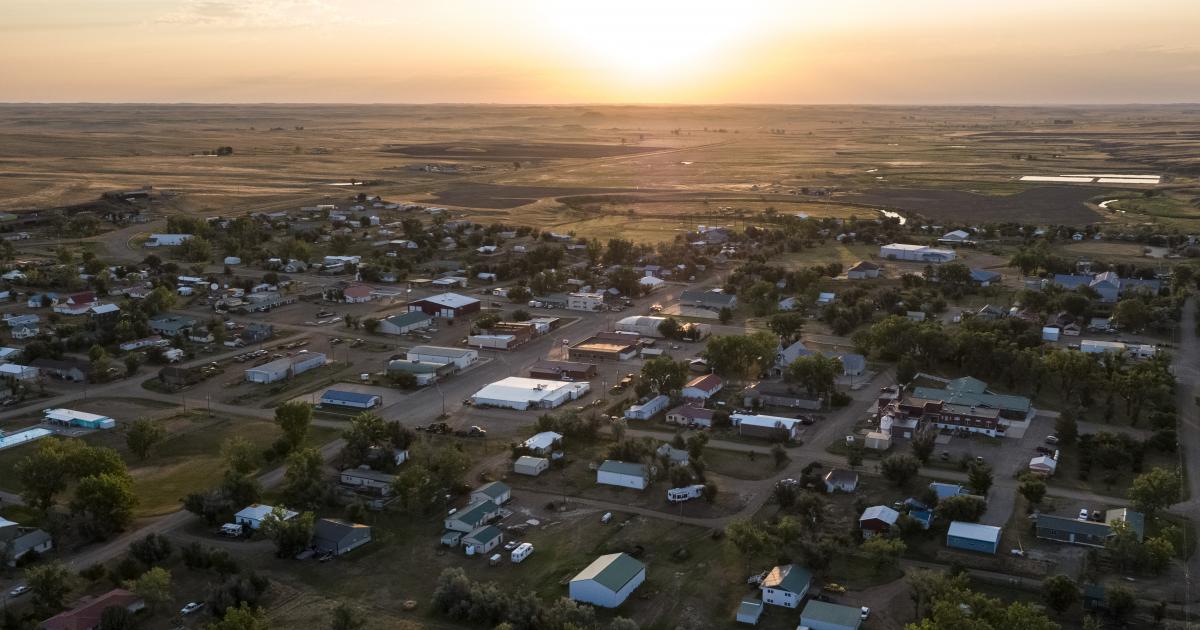
Describes the work of the Montana Office of Rural Health and Area Health Education Center to train community health workers (CHWs). Discusses what CHWs do, particularly in the tribal communities of Montana.
-

The National Brownfields Training Conference in Oklahoma City provided an opportunity for the NIEHS Environmental Career Worker Training Program (ECWTP) to showcase its grantees, review progress, and discuss next steps of the White House’s Justice40 initiative, Aug. 17. (See first sidebar for more on brownfields.) Justice40 guides federal agencies to deliver 40% of the overall…
-
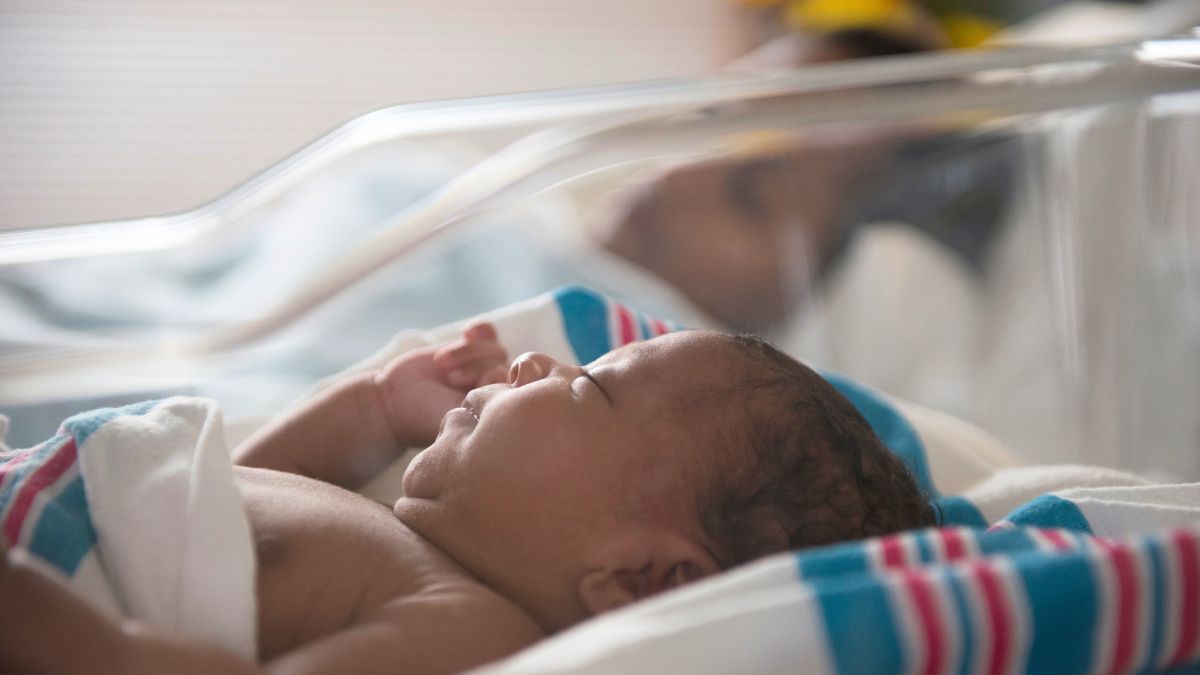
Source: Centers for Disease Control and PreventionRelated MedlinePlus Pages: Newborn Screening
-

A novel technology that can efficiently bind to and break down per- and polyfluoroalkyl substances (PFAS) in the environment was developed by scientists at Texas A&M Agrilife Research(https://tools.niehs.nih.gov/srp/programs/Program_detail.cfm?Project_ID=R01ES032708) with support from an NIEHS Superfund Research Program individual research grant. The new approach uses a plant-based material that adsorbs PFAS, and microbial fungi that literally eat up…
-
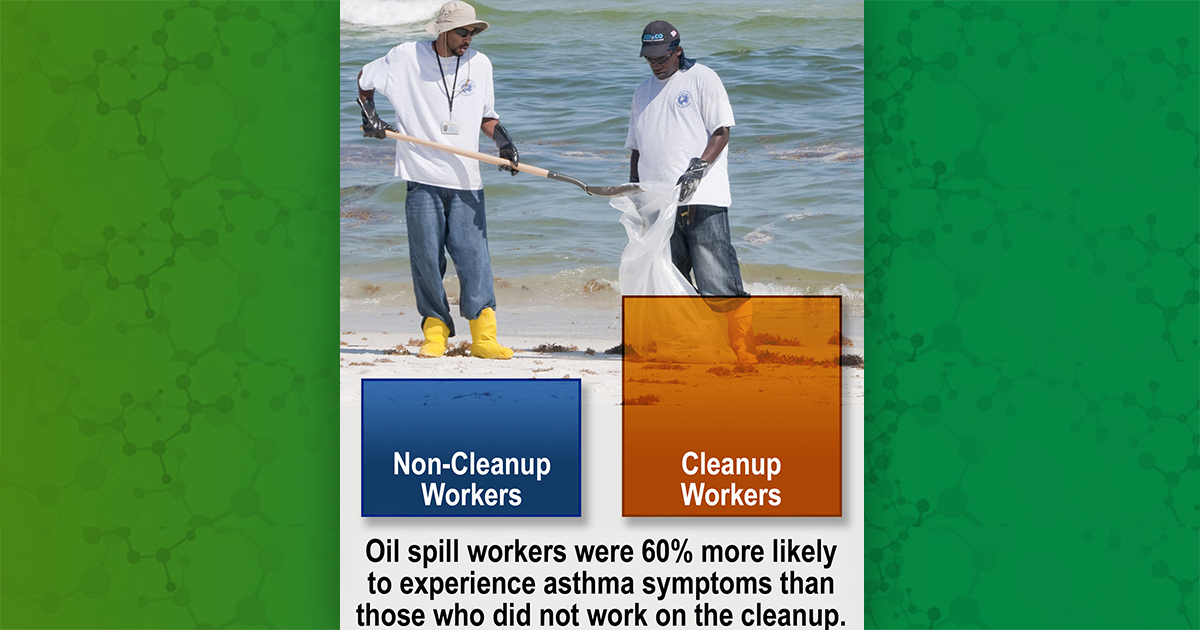
Environmental Factor – September 2022: Oil spill cleanup workers more likely to have asthma symptoms
The GuLF STUDY continues to follow the nearly 33,000 participants enrolled in the original study to monitor potential health outcomes and answer important public health questions. (Photo courtesy of Cheryl Casey / Shutterstock.com) Researchers from the NIEHS Gulf Long-term Follow-up Study (GuLF STUDY) found that workers involved in cleaning up the nation’s largest oil spill were…
-
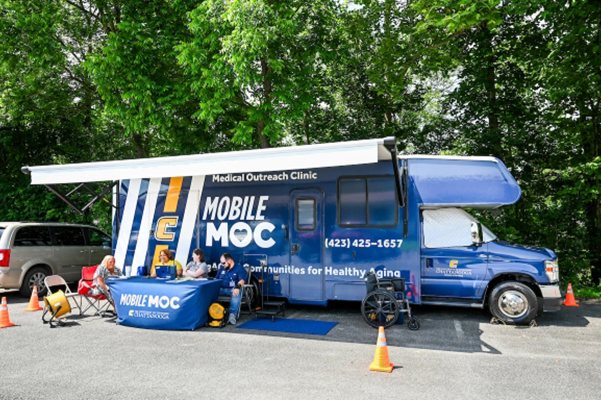
MobileMOC visits the Rhea Richland Senior Neighbors senior community center in Dayton, Tennessee. Photo by Angela Foster. The University of Tennessee at Chattanooga’s mobile medical outreach clinic—MobileMOC—has been named an Age-Friendly Health System Participant, placing the program among healthcare organizations working to improve care for older adults. The recognition arrives as MobileMOC’s approach to rural,…



