

Category: Wellness
-

IntramuralBy Janelle Weaver New approaches to advance cancer hazard evaluations highlighted in commentary Methodological advancements to address the challenges of traditional cancer hazard evaluations are described in a paper by scientists from the NIEHS Division of Translational Toxicology. According to the authors, new approaches highlighted in recent reports and ongoing evaluations by the National Toxicology…
-
ExtramuralBy Adeline Lopez Racial segregation worsens the effect of lead on brain development NIEHS-funded researchers report that early lead exposure, exacerbated by structural racism and racial isolation, may lower reading scores in children. Neighborhood environments influence children’s health and development, but relationships between racial residential segregation — the geographic separation of Black populations from other…
-
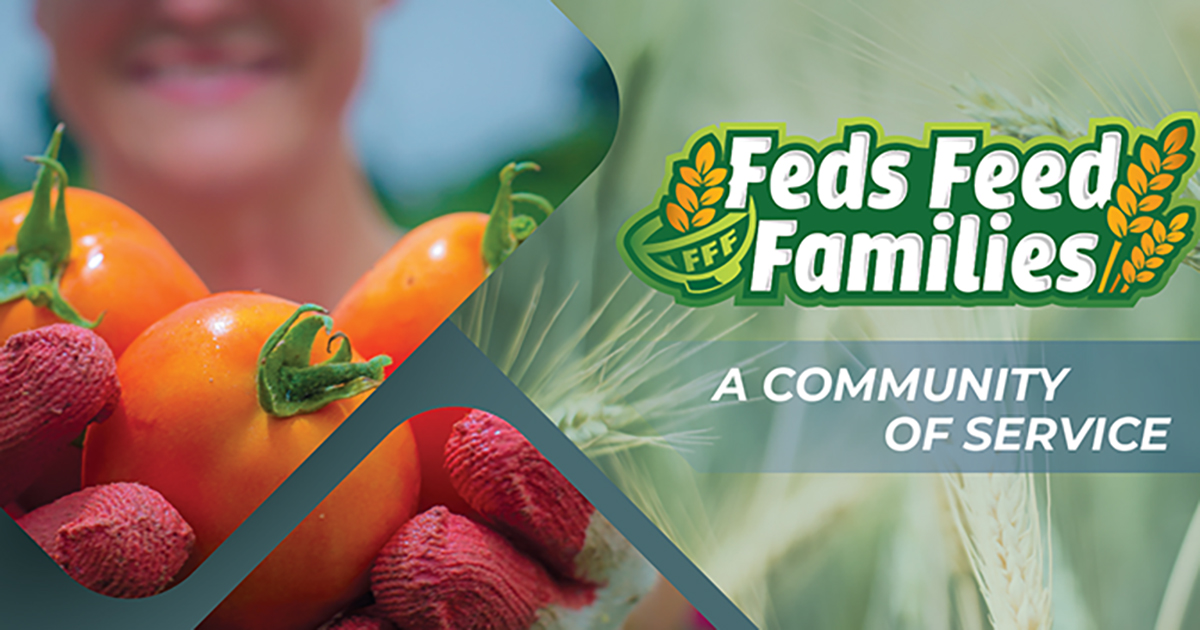
Staff from across NIEHS joined forces with others from the National Institutes of Health (NIH) to raise 117,696 pounds of food donations for the 2022 Feds Feed Families (FFF) campaign. FFF is an annual charity drive that encourages federal employees to help support food banks and pantries across the country. This year’s campaign theme was…
-
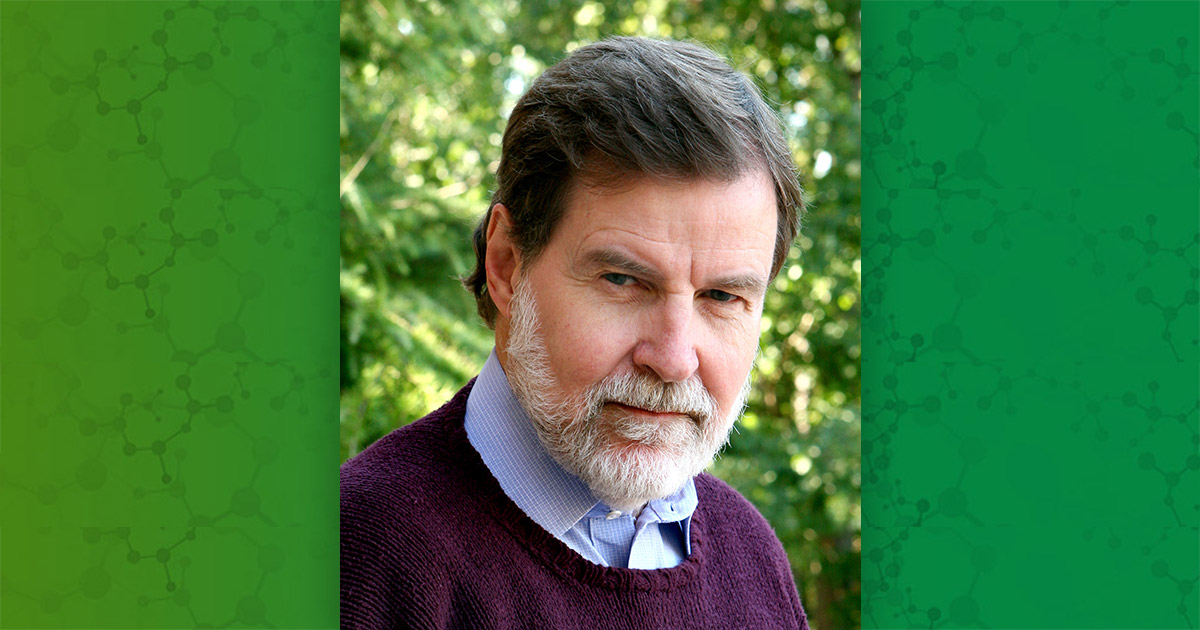
It’s a testament to the impact Sam Wilson, M.D., had on the field of environmental mutagenesis that scientists from around the world convened a day-long meeting to celebrate the influence of his research. Sam Wilson died in April 2021. He continued his research until just days before his death. Wilson was honored at the annual…
-
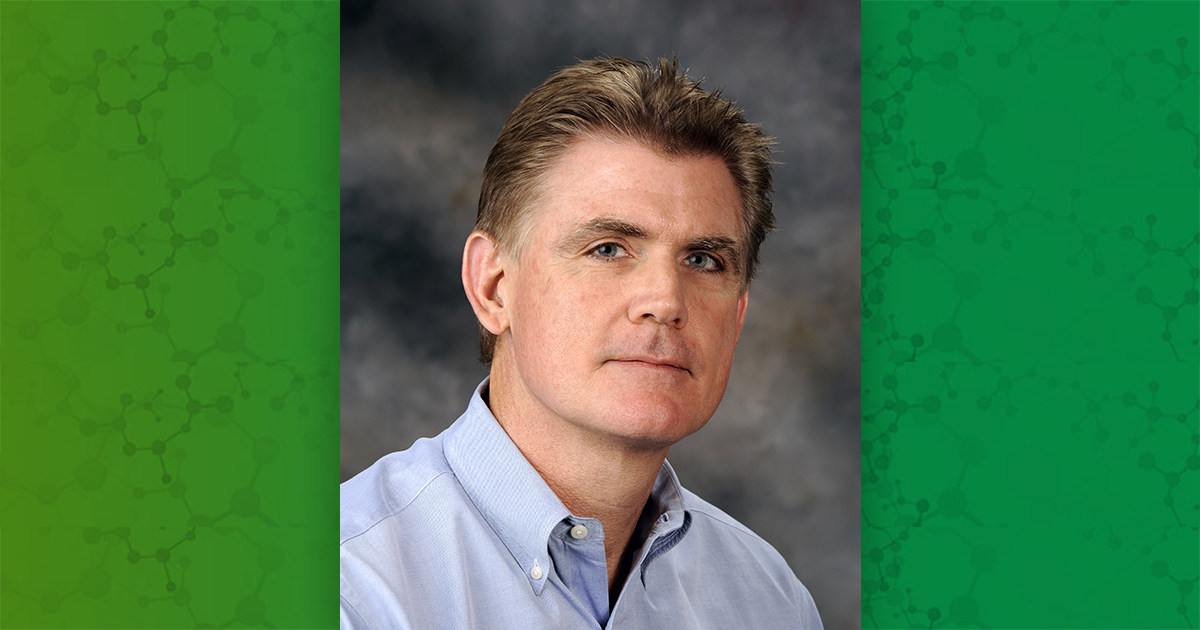
At its Sept. 21-22 meeting, the Scientific Advisory Committee on Alternative Toxicological Methods(SACATM) advised federal agencies on the topics of measuring progress in reducing animal use and approaches to establishing confidence in new chemical safety testing methods. The committee urged member agencies of the Interagency Coordinating Committee on the Validation of Alternative Methods (ICCVAM) to…
-
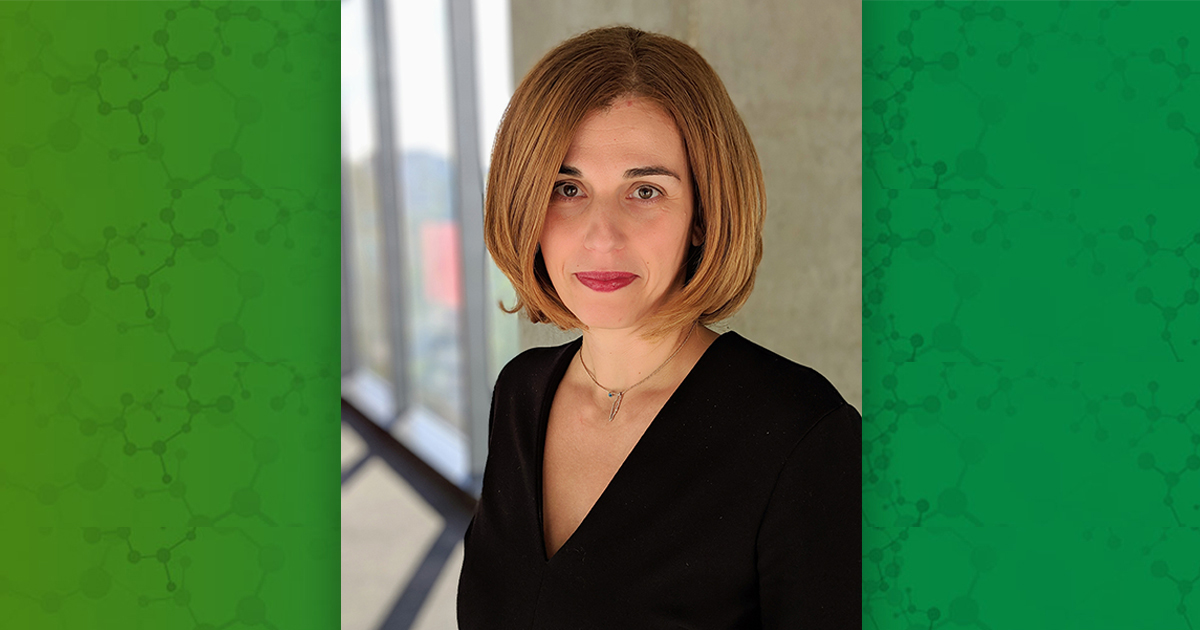
A large-scale study on exposure to per- and polyfluoroalkyl substances (PFAS) in humans and rodents showed consistent evidence of chemical-driven liver damage, according to NIEHS grantee Lida Chatzi, M.D., Ph.D., from the University of Southern California (USC) Keck School of Medicine. She presented her findings during a Sept. 14 webinar hosted by the Collaborative on…
-
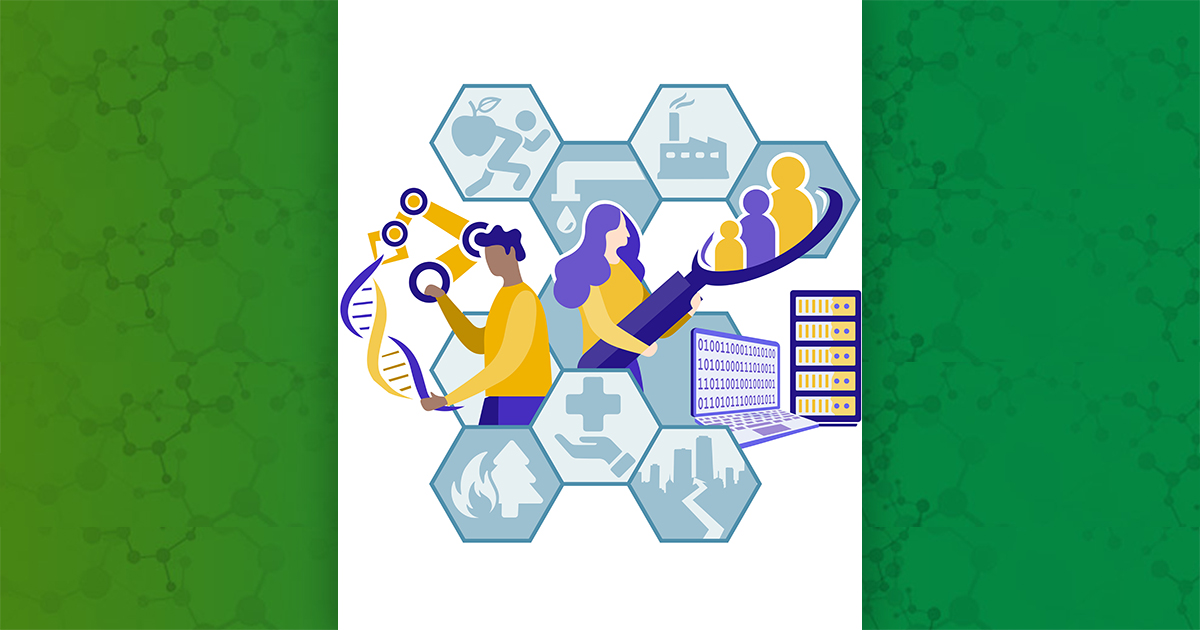
An exposomics summit was held by NIEHS Sept. 14-16, building on a recent series of workshops hosted by the institute. Experts gathered to brainstorm how knowledge of the exposome, or the totality of our environmental exposures, can be integrated throughout health and disease research. The goal is to advance precision environmental health, participants noted. The…
-
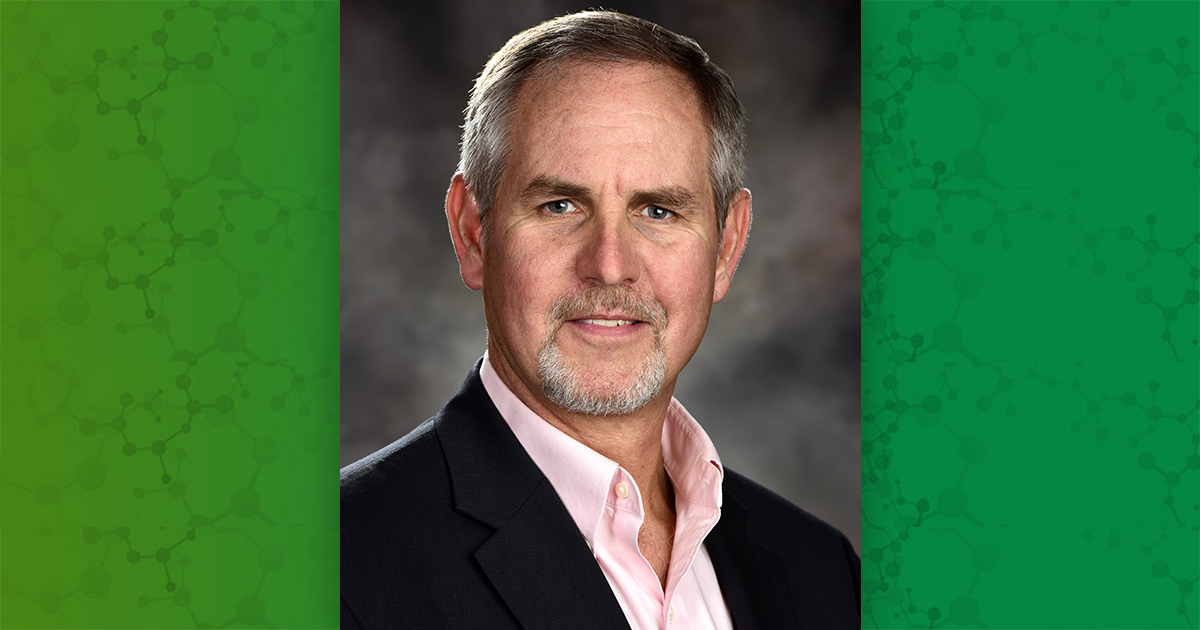
When Brian Berridge, D.V.M., Ph.D., became Scientific Director of the NIEHS Division of the National Toxicology Program (DNTP) in 2018, he set out to advance research into how real-world environmental exposures affect disease outcomes in people. That required outside-the-box thinking and willingness to challenge the status quo. “Translation was a priority for me when I…
-
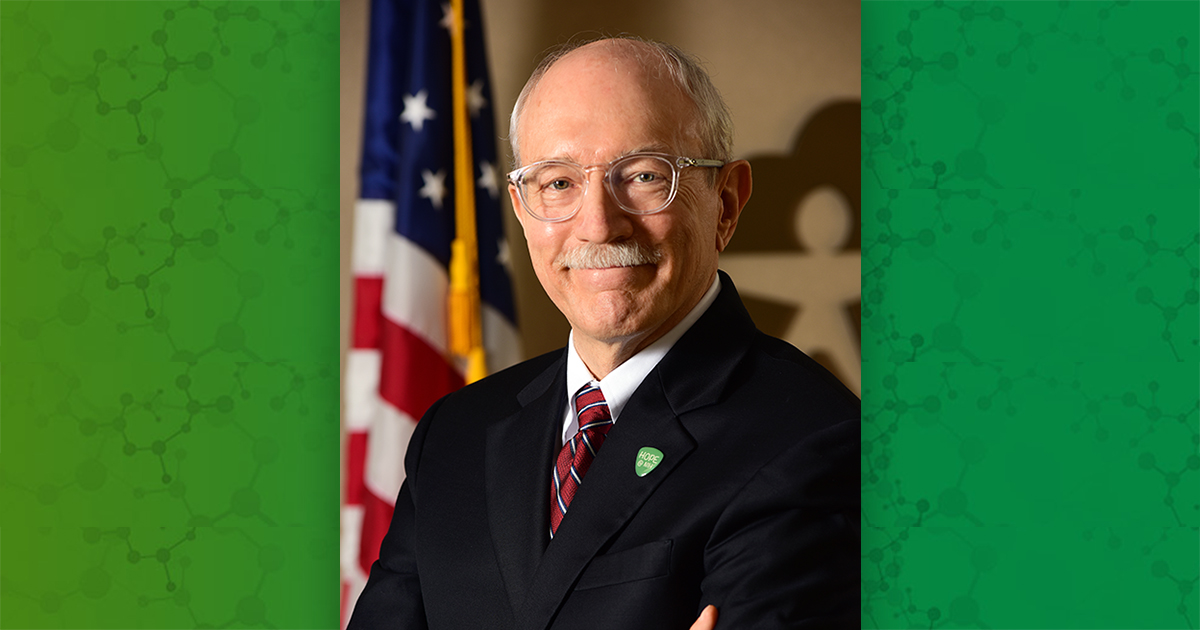
Translational, predictive, and strategic were among the words used to describe the latest NIEHS initiatives during the 167th meeting of the National Advisory Environmental Health Sciences Council (NAEHSC), held Sept. 13-14. Other presentations highlighted efforts related to worker safety during disease outbreaks, per- and polyfluoroalkyl substances (PFAS), and data sharing. A new name “We are embracing the…
-
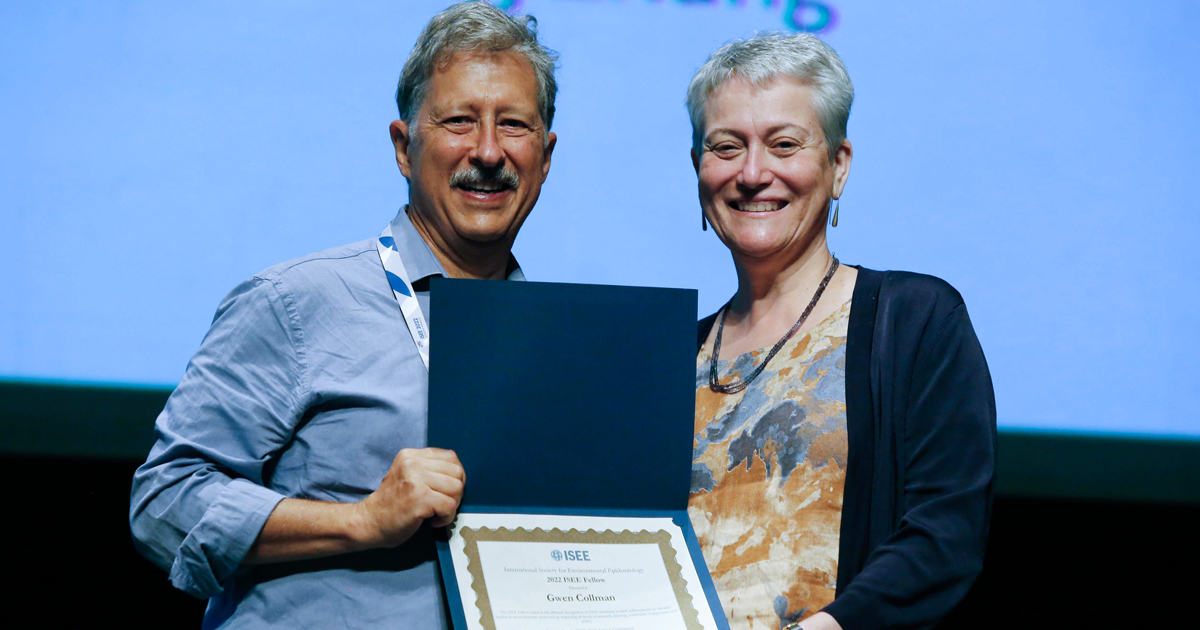
NIEHS held a strong presence at the 34th Annual Conference of the International Society for Environmental Epidemiology (ISEE), held online and in-person Sept. 18-21 in Athens, Greece. Institute scientists and grant recipients presented research on climate, cancer risks, and implementing interventions for better health outcomes, among other topics. “It is a great honor to be…



