

Category: Wellness
-
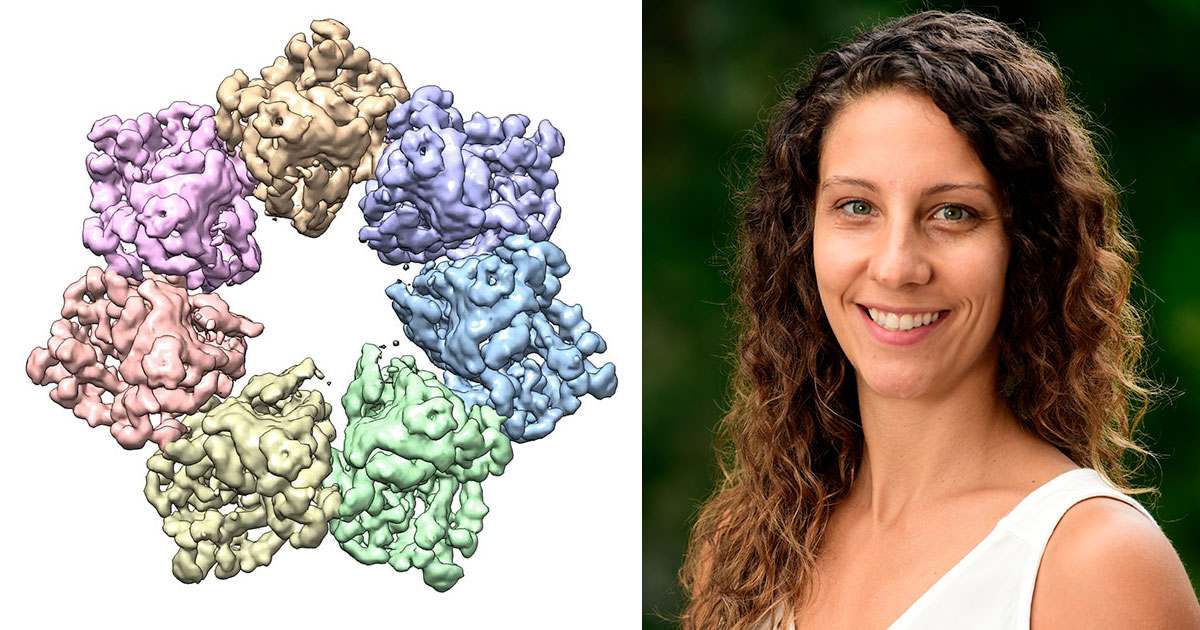
A three-dimensional (3D) structure that allows scientists to see how and where disease mutations on the twinkle protein can lead to mitochondrial diseases has been developed by a team of scientists in the NIEHS Division of Intramural Research (DIR). Mitochondrial diseases are a group of inherited conditions that affect one in 5,000 people and have…
-
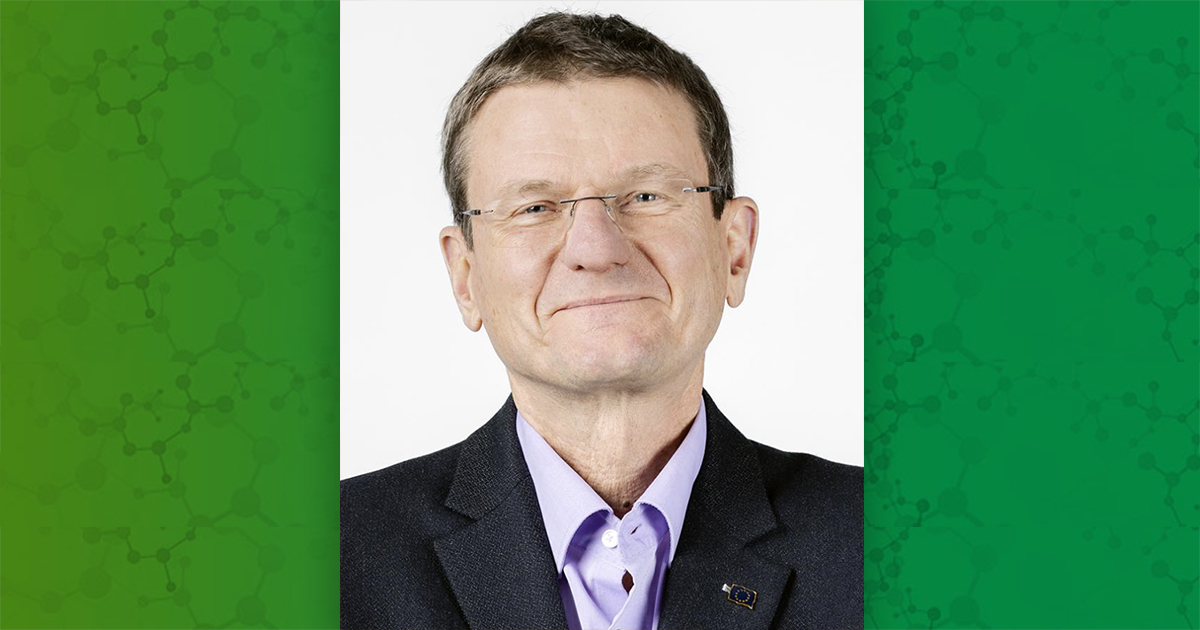
The way Clemens Wittwehr sees it, reducing animal use in chemical safety testing will be accomplished by making connections: between chemicals and their toxic effects, between different data repositories, and among different groups of people interested in advancing alternatives to animal testing. He feels he’s in an ideal position to make these connections. “I’m not…
-
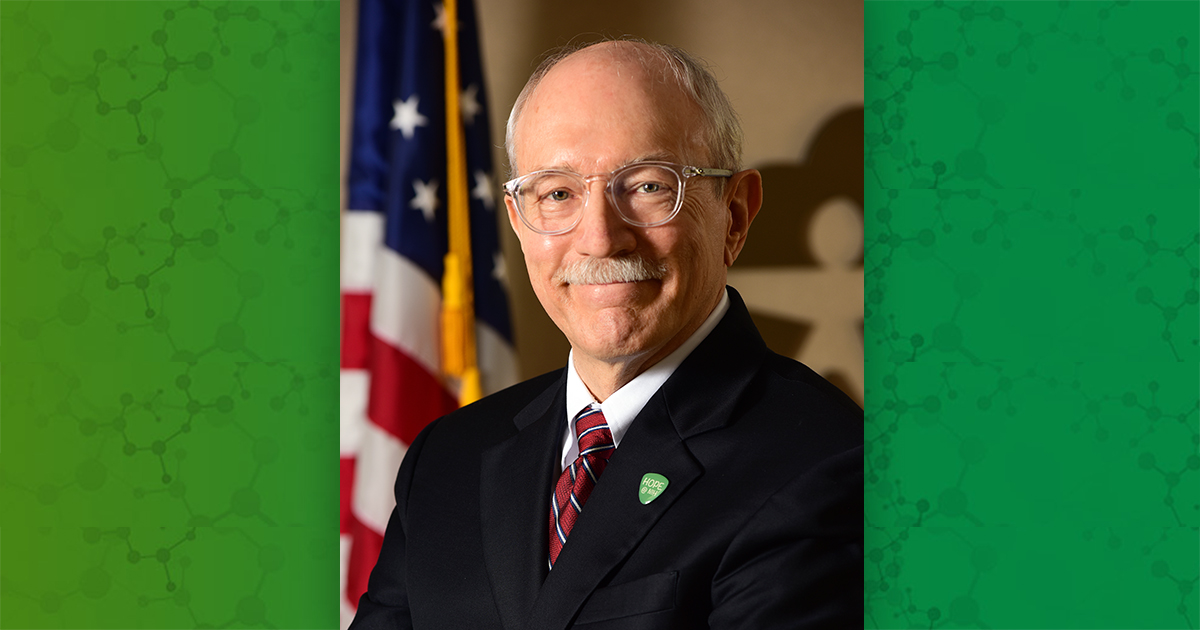
As science on per- and polyfluoroalkyl substances (PFAS) develops, NIEHS continually plays a substantive role. A group of more than 9,000 manmade chemicals, PFAS have been used for decades in a variety of industrial and consumer products. Now found in drinking water, soil, and dust, researchers estimate they can be detected in 98% of Americans.…
-

Rick Woychik, Ph.D., directs NIEHS and the National Toxicology Program. (Image courtesy of NIEHS) For nearly three decades, Johnnye Lewis, Ph.D., has advanced Native American health by combining basic research, population-level studies, clear science communication, and robust partnerships with tribes. She is a longtime NIEHS grant recipient from the University of New Mexico (UNM), where…
-
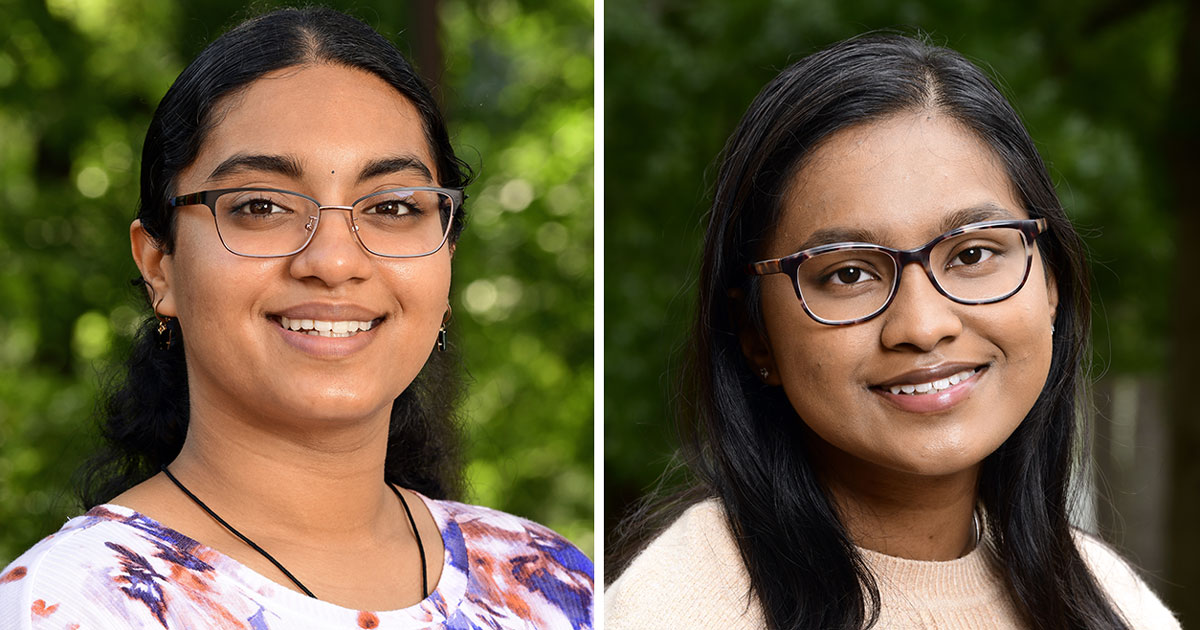
Undergraduate and graduate trainees and interns from across NIEHS presented their summer research projects July 28. Top presenters were recognized for their poster design and ability to communicate their projects to those in attendance. “Presenting at the 2022 NSCP summer poster session was an excellent networking opportunity with NIEHS researchers,” said Shivani Ayyagari (left), who…
-
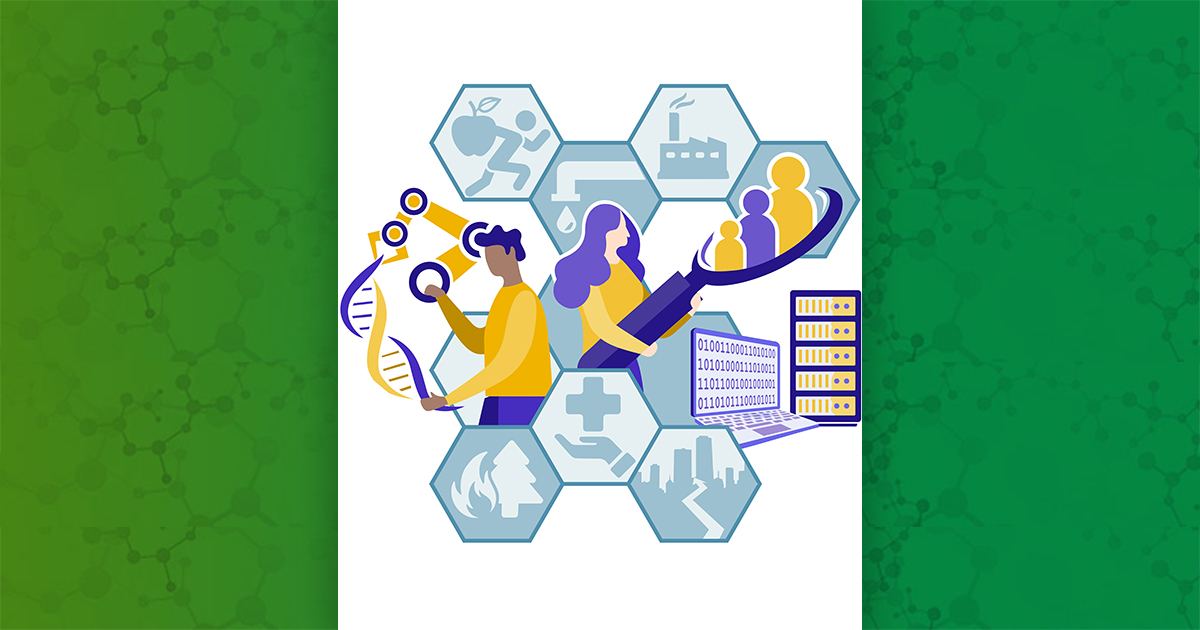
Ever since molecular epidemiologist Christopher Wild coined the term “exposome” in 2005 to describe the totality of our environmental exposures, researchers have been discussing how the concept could advance environmental health research. The workshop series was designed to lay a solid foundation for the advancement and widespread application of exposomics research. (Image courtesy of NIEHS)…
-
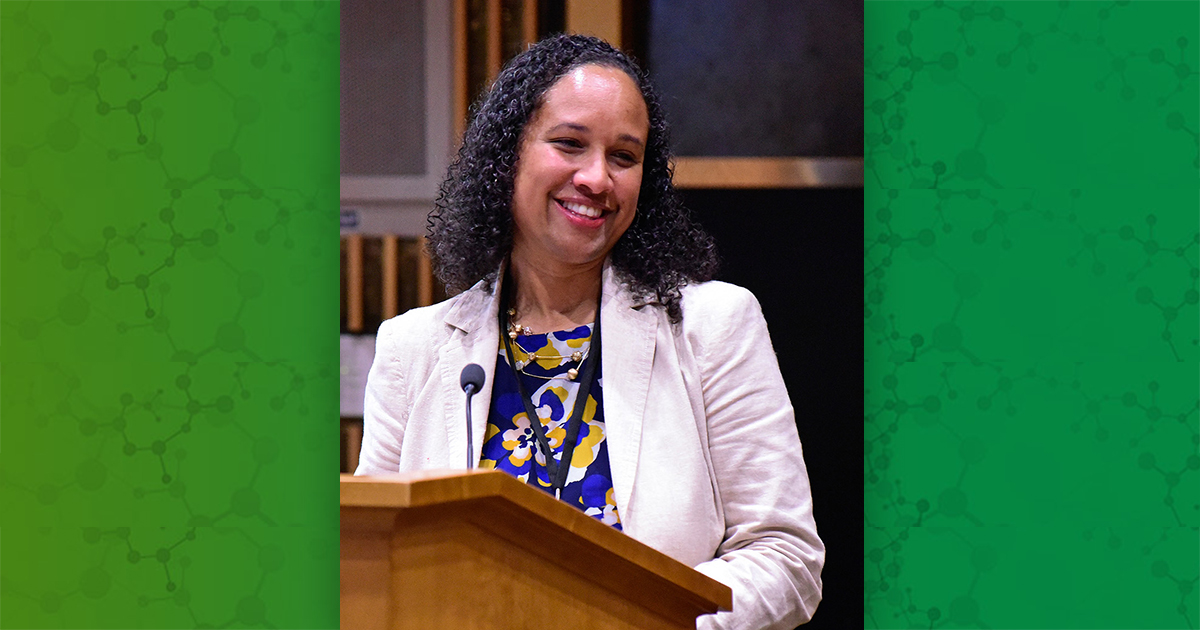
Early-life vulnerability to environmental exposures was explored during a four-day National Academies of Sciences, Engineering, and Medicine (NASEM) workshop, held Aug 1-4. “Children’s Environmental Health: A Workshop on Future Priorities for Environmental Health Sciences,” sponsored by the U.S. Environmental Protection Agency (EPA), featured several NIEHS scientists and grantees who shared their expertise, offered advice, and…
-

KFF Health News senior correspondent Julie Appleby joined WBUR’s Here & Now on Nov. 11 to discuss how a fraud crackdown is making Affordable Care Act open enrollment more difficult. Appleby also discussed the expected rise in premiums, deductibles, and copays for Medicare and employer-based healthcare plans on WVXU’s Cincinnati Edition on Nov. 9. Céline…
-
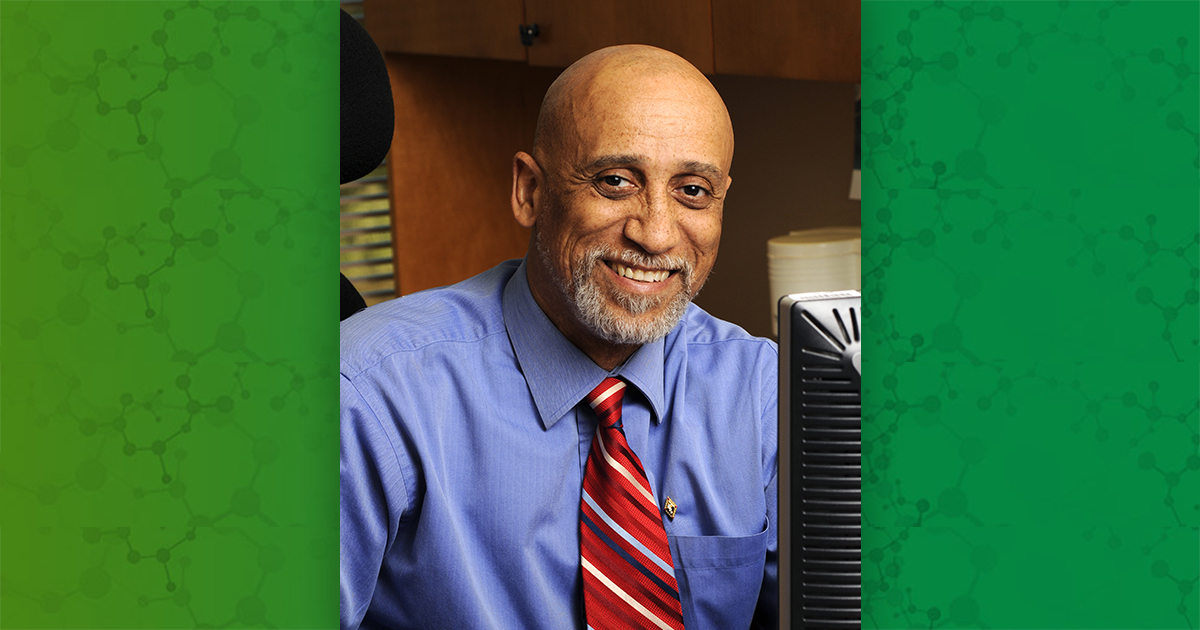
At NIEHS, any researcher who has an active grant with at least two years or more remaining can apply for a diversity supplement grant. The grant program was started because the institute is committed to advancing a diverse environmental health sciences workforce. Gathering these grant recipients through the Diverse Researcher’s Integrated Virtual Engagement Network (DRIVEN!)…
-

Seven trainees with the NIEHS Superfund Research Program (SRP) have earned K.C. Donnelly Externship Award Supplements. Named for longtime SRP grantee Kirby “K.C.” Donnelly, the funding enables graduate students and postdoctoral researchers to learn techniques relevant to their work from experts at outside institutions. Donnelly’s commitment to mentoring students and fostering research partnerships was a…



