

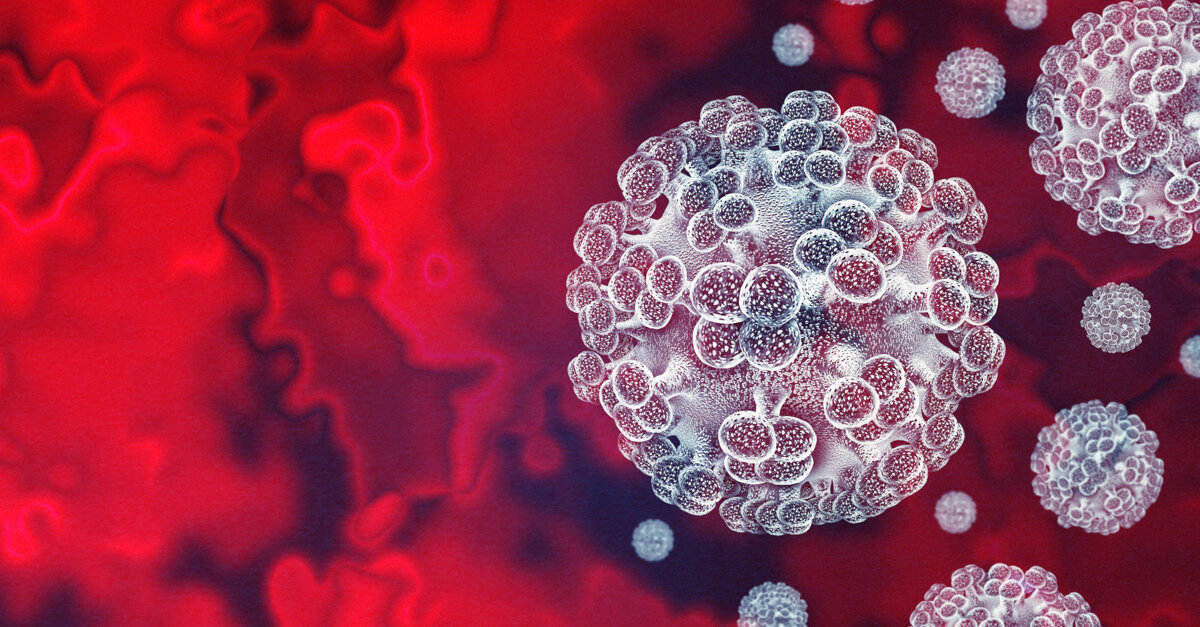
BANGKOK, Thailand: Although the systemic effects of hantavirus infections are well documented, their oral and salivary manifestations have received comparatively little attention in dental research. A recent narrative review has examined the available evidence and its potential implications for dental practice. The paper considers oral symptoms, as well as the involvement of oral secretions in transmission. The authors also discuss the potential of saliva-based diagnostics and the possible role of dental professionals in recognising signs of infection and managing affected patients.
According to Dr Anil Sukumaran, saliva is emerging as a promising diagnostic medium for hantavirus infections. (Image: Dr Anil Sukumaran)
Hantaviruses are transmitted to humans primarily through inhalation of airborne particles contaminated with the urine, droppings or saliva of infected rodents. In humans, they can cause two potentially severe conditions: haemorrhagic fever with renal syndrome and hantavirus cardiopulmonary syndrome.
“Hantaviruses are well described in medicine but almost absent from the dental literature, even though the mouth figures in this infection twice over: as a diagnostic window into systemic disease and, for Andes virus, as a plausible route of transmission,” lead author Dr Anil Sukumaran, adjunct professor at the Center of Excellence in Precision Medicine and Digital Health at Chulalongkorn University in Bangkok, told Dental Tribune International.
According to the review, hantavirus infections may be associated with several oral and oropharyngeal manifestations, including prolonged severe sore throat, oropharyngeal oedema, palatal petechiae and spontaneous gingival or mucosal bleeding. These findings may occur alongside systemic symptoms such as fever and malaise.
“These patients reach emergency medicine, nephrology or intensive care long before the dental chair, so our role is adjunctive: opportunistic recognition of oral signs, safe timing of treatment and occupational protection,” Dr Sukumaran commented. The authors therefore said that dental professionals should be aware of these manifestations, particularly in patients with a history of potential rodent exposure or travel to endemic regions, and refer suspected cases for medical evaluation.
The risk of bleeding is important in the dental management of patients with haemorrhagic fever with renal syndrome. The condition can cause reduced platelet counts, increasing the risk of haemorrhage during invasive dental procedures. As a precaution, the authors recommend postponing elective dental treatment during active infection and assessing platelet counts and renal function before treatment is resumed, in consultation with the patient’s treating physician. They also advise that unavoidable emergency dental procedures be performed in a hospital setting to manage bleeding complications.
Possible transmission through oral fluids
Previous studies have detected Andes virus antigen in human salivary gland cells and infectious virus in saliva and gingival crevicular fluid. Andes virus is the only hantavirus known to spread between humans, typically through close contact. Unlike other hantaviruses studied, it has also been found to resist the antiviral activity of human saliva. These findings support the biological plausibility of person-to-person transmission through oral secretions and raise questions about possible occupational exposure during dental procedures.
Potential for saliva-based diagnostics
Oral fluid may offer a non-invasive approach to detecting hantavirus infections. In one study covered by the review, a test for antibodies against Hantaan virus in oral fluid produced results comparable with those obtained using a blood-based test. The authors propose that dental clinics in endemic regions could eventually contribute to such testing as part of wider disease surveillance programmes.
Implications for dental care
The review also addresses potential risks associated with aerosol-generating procedures in patients with hantavirus cardiopulmonary syndrome and exposure to oral secretions from patients infected with Andes virus. For unavoidable treatment, the authors advise minimising aerosol generation, using hand instruments where possible and providing enhanced respiratory protection.
Further research needed to inform dental practice
The authors emphasise that no clinical studies have specifically investigated dental treatment of patients with hantavirus infections or occupational transmission among dental professionals and that no hantavirus-specific infection control guidelines for dentistry are currently available. Their clinical recommendations are therefore largely precautionary, drawing on medical evidence and established principles of dental patient management rather than research in dental settings.
The review, titled “Human Orthohantavirus infections: From virology and clinical epidemiology to oral biological features and dental practice”, was published online on 14 October 2026 in Infectious Diseases and Immunity, ahead of final publication.
Topics:
Tags:
HONG KONG: Noma is a severe, rapidly progressing and generally non-contagious gangrenous disease that destroys the soft and hard tissue of the mouth and …
While existing bone repair materials can control bleeding, adhere to tissue or support bone regeneration, achieving all these functions in a material that …
OULU, Finland: Anti-resorptive drugs are used to limit bone destruction, alleviate pain and reduce the risk of fractures in patients with advanced breast …
SÃO PAULO, Brazil: Concerns about antimicrobial resistance and the limitations of adjunctive antibiotics have prompted research into other approaches to …
Live webinar
Mon. 16 November 2026
12:30 pm EST (New York)
Dr. Kristina Baumgarten
Live webinar
Tue. 17 November 2026
1:00 pm EST (New York)
Dr. Dennis Tarnow DDS
Live webinar
Wed. 18 November 2026
8:00 am EST (New York)
Dr. Alberto Monje DDS, MS, PhD
Live webinar
Wed. 18 November 2026
1:00 pm EST (New York)
Dr. Cyrus Alamouti
Live webinar
Wed. 18 November 2026
1:00 pm EST (New York)
Prof. Dr. Christian H. Splieth
Live webinar
Thu. 19 November 2026
8:00 am EST (New York)
Prof. Dr. Sheng-Wei Feng
Live webinar
Thu. 19 November 2026
12:00 pm EST (New York)
Dr. Petros Yuvanoglu D.M.D., Prosthodontist, Boston University / Tufts University, Dr. Robert Gottlander DDS




Leave a Reply