

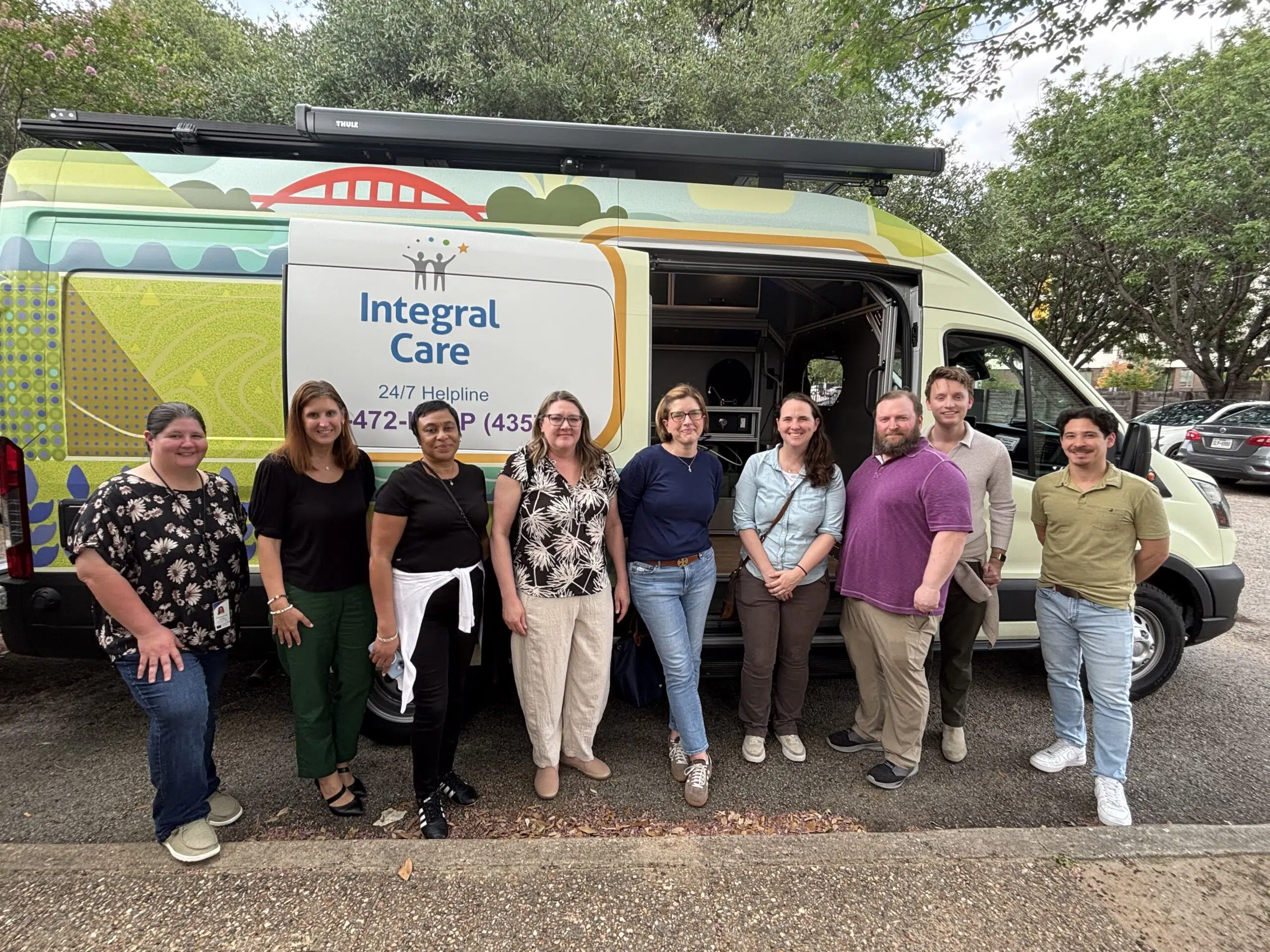
Community paramedicine expands the role of emergency medical services beyond emergency transport. Under these models, paramedics and emergency medical technicians partner with public health agencies, behavioral health providers, and health systems to deliver preventive, follow-up, and low-barrier clinical services in community settings. Services are typically protocol-driven, coordinated with medical oversight, and designed to address gaps that lead to avoidable emergencies.
In rural settings, community paramedicine has taken on particular importance for substance use response. Programs may include post-overdose response teams that follow up with individuals after emergency events, rapid HIV and hepatitis C testing with immediate results, naloxone distribution, screening and referral to treatment, and initiation of medication for opioid use disorder (MOUD). Because EMS providers are often trusted local institutions, community paramedicine can function as a practical delivery platform for services that would otherwise be unavailable.
In North Carolina, Edgecombe County’s Post-Overdose Response Team (PORT) — a partnership of EMS and public health — demonstrates how community paramedicine can anchor low-barrier substance use care. The program integrates naloxone distribution, rapid infectious disease testing, drug checking, and field-based initiation of treatment, paired with persistent outreach and follow-up.
Given the important role that EMS has played in improving health care access and meeting unmet needs for opioid use disorder (OUD) treatment services, North Carolina has built on this success, leveraging a variety of funding sources to expand rural access to substance use disorder treatment (SUD) and support services. In 2025, the state leveraged federal funding to expand mobile treatment units, which operate through licensed extensions of brick-and-mortar opioid treatment programs to provide MOUD in communities.
In 2026, the North Carolina Department of Health and Human Services awarded $10 million to 39 local EMS agencies through the state’s RHTP to strengthen the EMS workforce and enable EMS providers to provide MOUD, post-overdose follow up, and connect individuals to treatment and recovery services.




Leave a Reply